

Categories
testing
7 Ways Prescriptive Maintenance Is Different from Standard Predictive Maintenance

7 Ways Prescriptive Maintenance Is Different from Standard Predictive Maintenance

Read Time: 8–9 minutes | Author – Chaiitanya Bulusu
Key Takeaways

In short: Predictive maintenance tells you an asset is likely to fail. Prescriptive Maintenance tells your operators which fault to fix, why, and by when, then captures whether the fix worked.

  • From score to instruction. Predictive outputs a probability. Prescriptive outputs a named fault, a corrective action, and a deadline, ranked by production impact.
  • From equipment data to equipment plus process data. Mechanical signatures alone miss the operating conditions that accelerate failure.
  • From accuracy to action rate. Alerts prove nothing until they are executed. Across the PlantOS™ install base, up to 99 % of prescriptions are acted upon.
  • From dashboard to work order. The prescription reaches the operator on a dashboard, email, and mobile and closes with a digital signoff, not a risk chart.
  • From licence to outcome. Infinite Uptime's PlantOS™ is delivered as Production Outcomes as a Service, committed against less downtime, more throughput, and lower cost per ton.

Most large plants already have predictive maintenance. Sensors are mounted, models are trained, and a dashboard somewhere lists assets by risk score. Yet unplanned downtime persists, work orders still get raised after the noise starts, and the reliability review still opens with a breakdown post-mortem.

The gap is not detection. The gap is instruction.
Prescriptive maintenance solutions close that gap by moving from a forecast to a directive: which fault, why it is developing, what to do, and by when. For maintenance managers and reliability leaders evaluating prescriptive AI software against their existing stack, here are the seven differences that actually change plant outcomes.

  1. 01

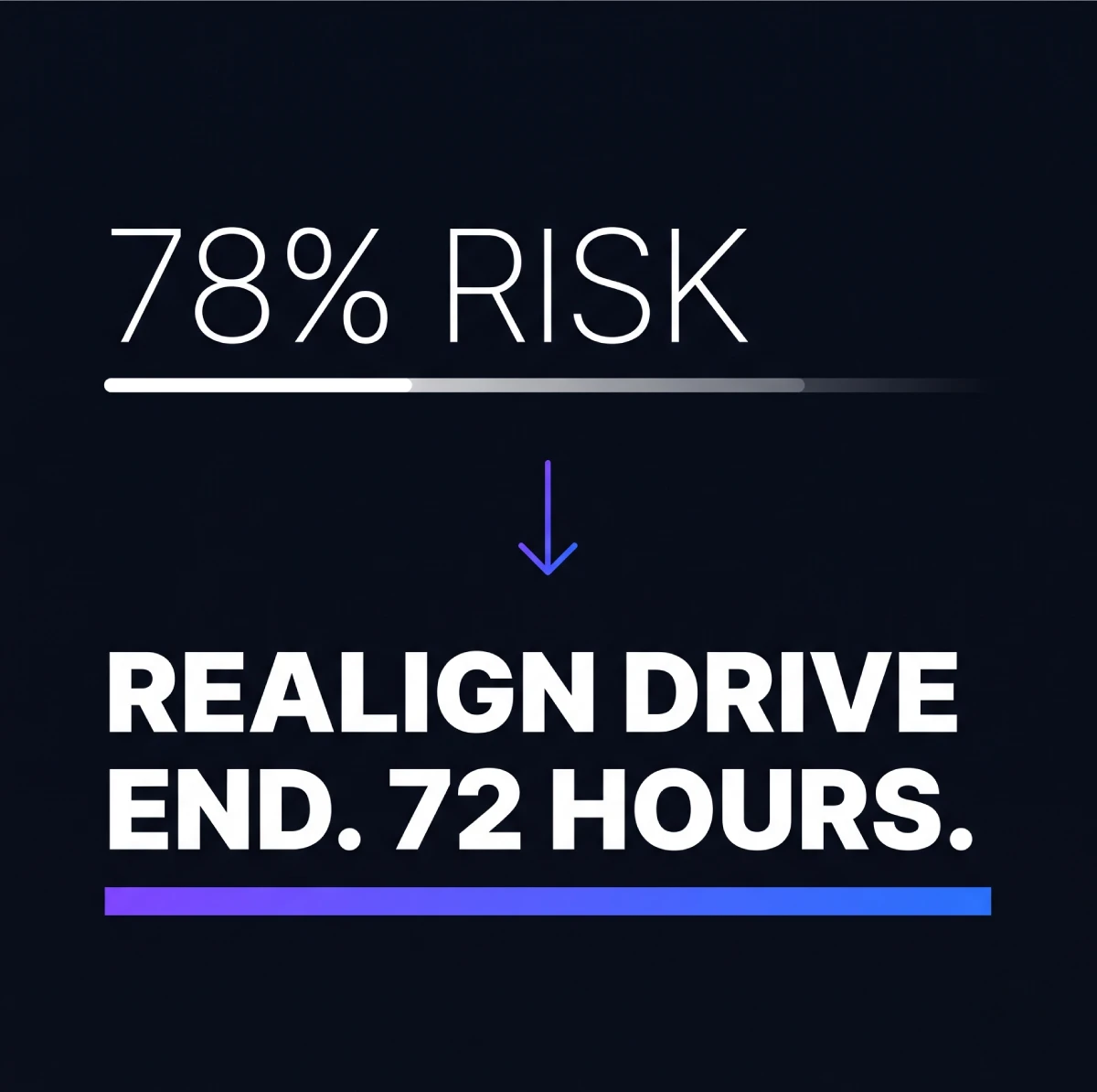
    Predictive forecasts failure. Prescriptive assigns the fix.

    A predictive model outputs probability. It tells you an asset is trending toward failure within a window, and it hands the diagnosis back to your team to complete.

    Prescriptive AI completes the diagnosis itself and issues an instruction. The output is a specific fault mode on a specific asset, ranked by urgency and production impact, with the corrective action attached. Your reliability engineer stops interpreting a waveform and starts scheduling a job. That single shift is what separates prescriptive maintenance platforms from an alerting layer.
    Predictive forecasts failure, Prescriptive assigns the fix
  2. 02

    Predictive reads the equipment. Prescriptive reads the equipment and the process.

    Traditional predictive maintenance is built on mechanical fault signatures: bearing wear, unbalance, misalignment, looseness, lubrication degradation. Those are real, and they matter.

    But in heavy manufacturing, a large share of mechanical failure is induced from outside the machine. Kiln ring formation, thermal overstress, cyclone coating buildup, ladle heat profile drift, and web tension drift all accelerate degradation without producing a clean mechanical signature early on. Prescriptive AI contextualizes equipment data alongside process data from the PLC and historian, so the fault is explained by its cause rather than described by its symptom.
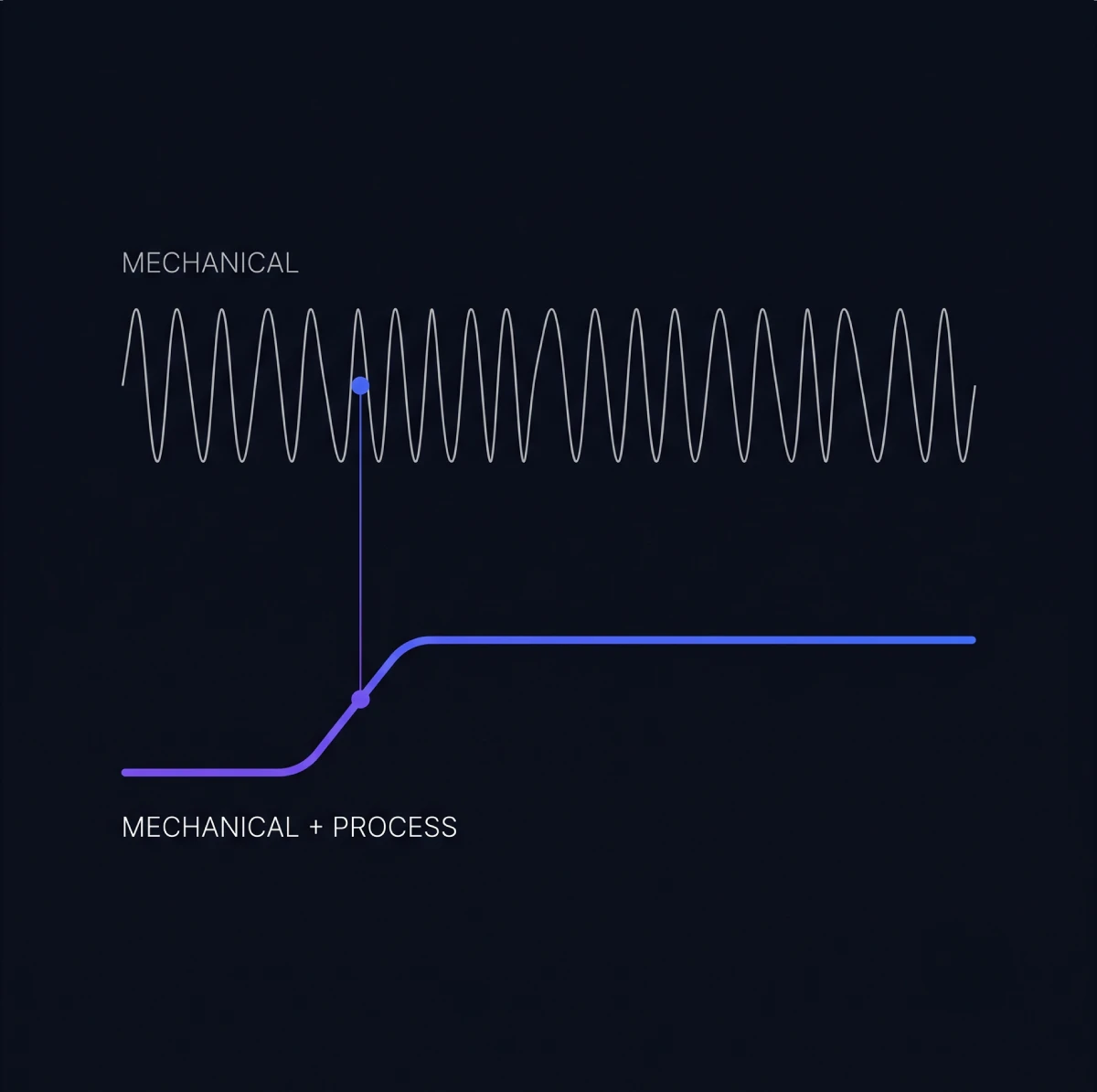
    Predictive reads the equipment, Prescriptive reads the equipment and the process
  3. 03

    Predictive is generic. Prescriptive is equipment specific.

    A general anomaly detection model treats a kiln, a Banbury mixer, and an EOT crane as variations of rotating equipment. It finds deviation. It rarely finds the failure mode.

    Vertical AI is tuned to the failure taxonomy of the asset itself. Infinite Uptime's PlantOS™ delivers this through AI Shields, equipment-specific models built on Dynamic FMEA for kilns, mills, cranes, furnaces, mixers, extruders, and dryers. The difference shows up in coverage and explainability. A generic model flags an anomaly on a mill. An equipment-specific model names gear-mesh backlash and links it to the load condition that caused it.
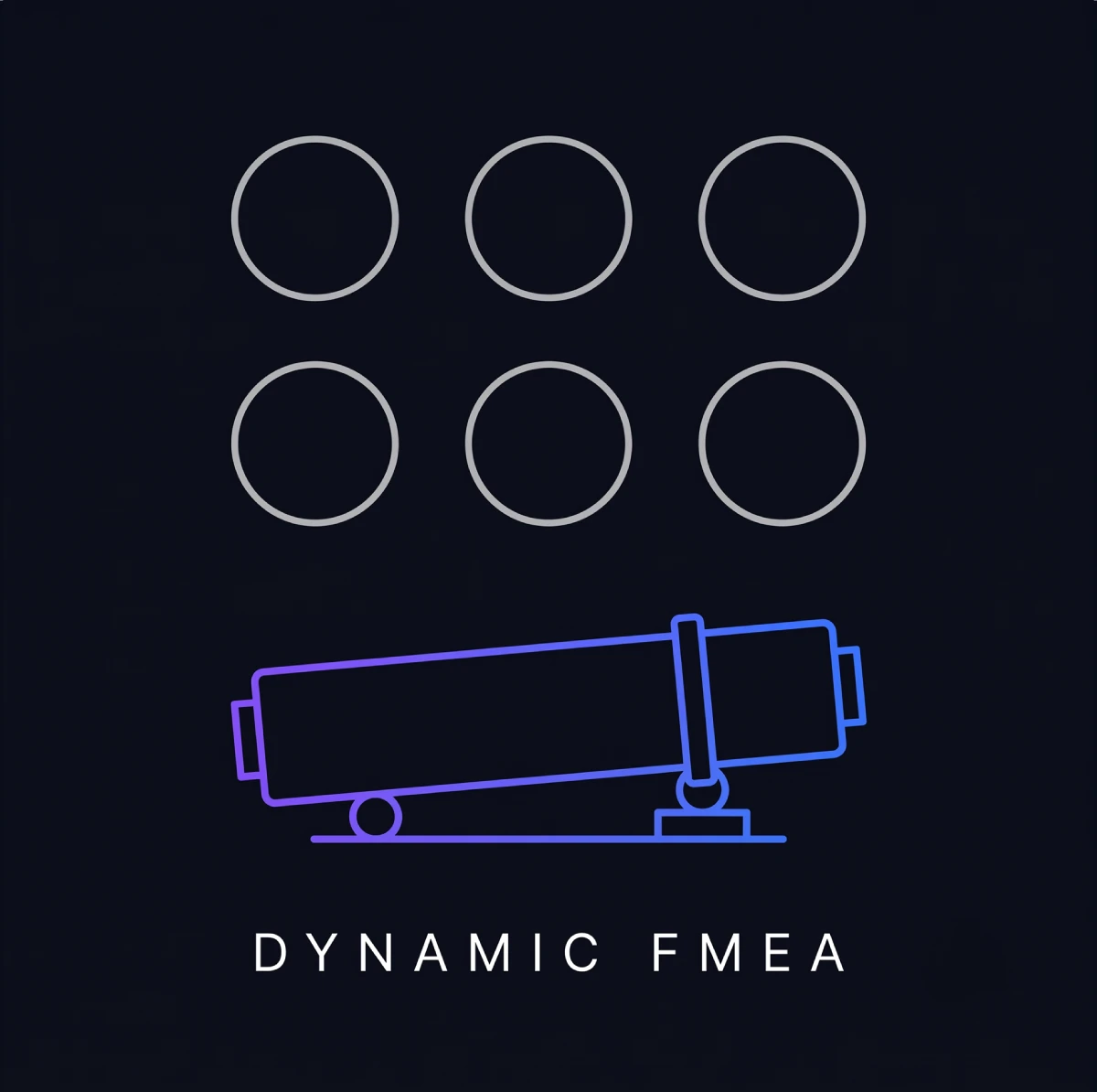
    Predictive is generic, Prescriptive is equipment specific
  4. 04

    Predictive is measured on accuracy. Prescriptive is measured on action.

    Ask most industrial maintenance software vendors for their headline metric and you will get accuracy or alert volume. Neither tells you whether anything got fixed.

    The metric that governs a prescriptive program is the action rate: what percentage of prescriptions issued are actually executed on the floor. Across the PlantOS™ install base, up to 99 % of prescriptions are acted upon, against 99.97 % prediction accuracy. Accuracy earns trust, trust drives action, and action is where downtime hours are recovered. A platform with high accuracy and low action rate has an adoption problem, not a modelling problem.
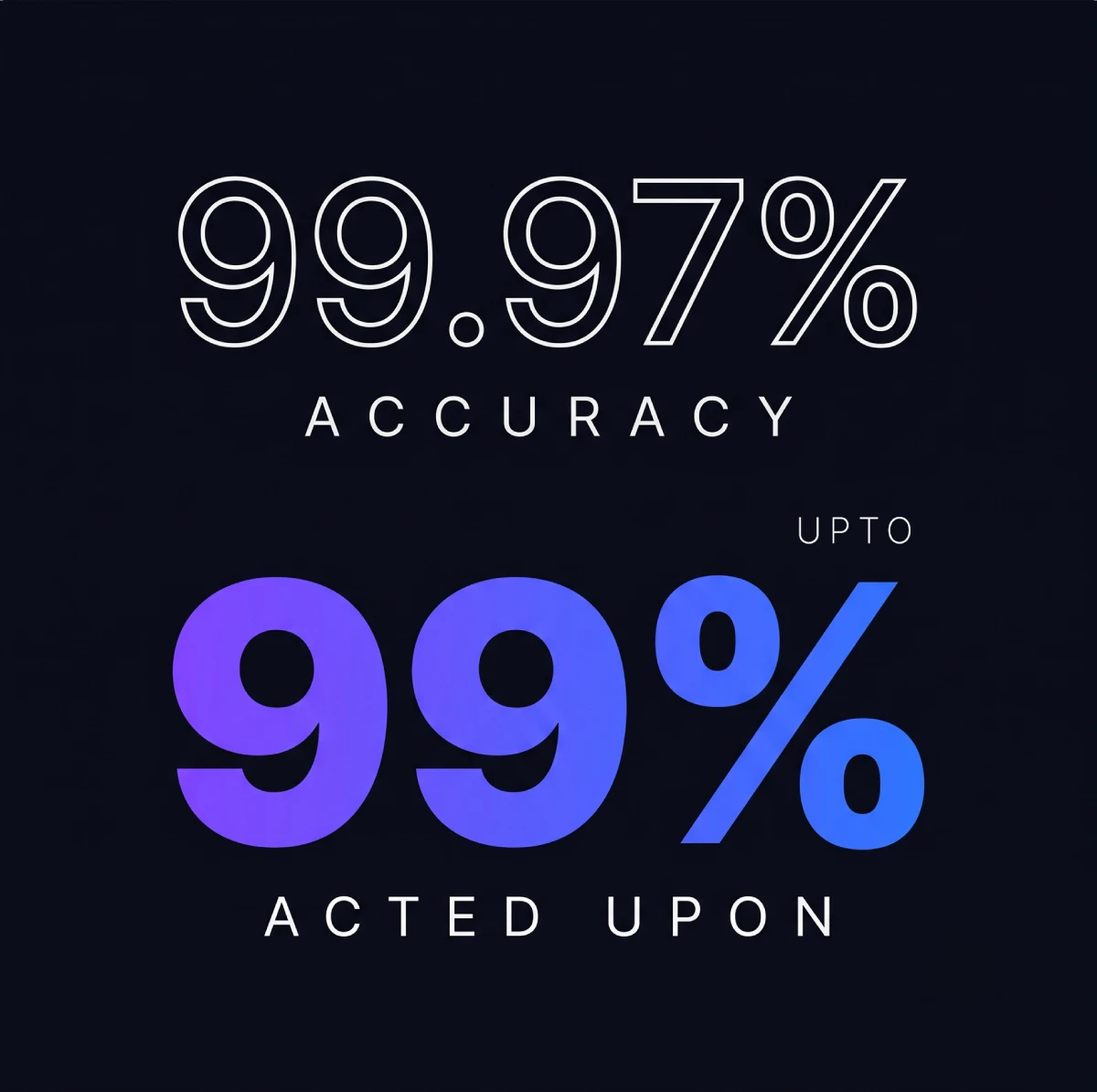
    Predictive is measured on accuracy, Prescriptive is measured on action
  5. 05

    Predictive ends at the dashboard. Prescriptive ends at the work order.

    This is where most predictive deployments quietly stall. The insight lives in one system, the maintenance plan lives in another, and the translation between them depends on one experienced engineer having time to do it.

    Prescriptive maintenance solutions are designed to terminate in the maintenance workflow, not in a visualization. The prescription reaches the operator on mobile, carries a defined action and deadline, and is closed with a digital signoff. What the plant head sees is not a risk chart but a prioritized daily queue. SPCC replaced reactive firefighting with exactly that queue and reported 9X ROI in under six months.
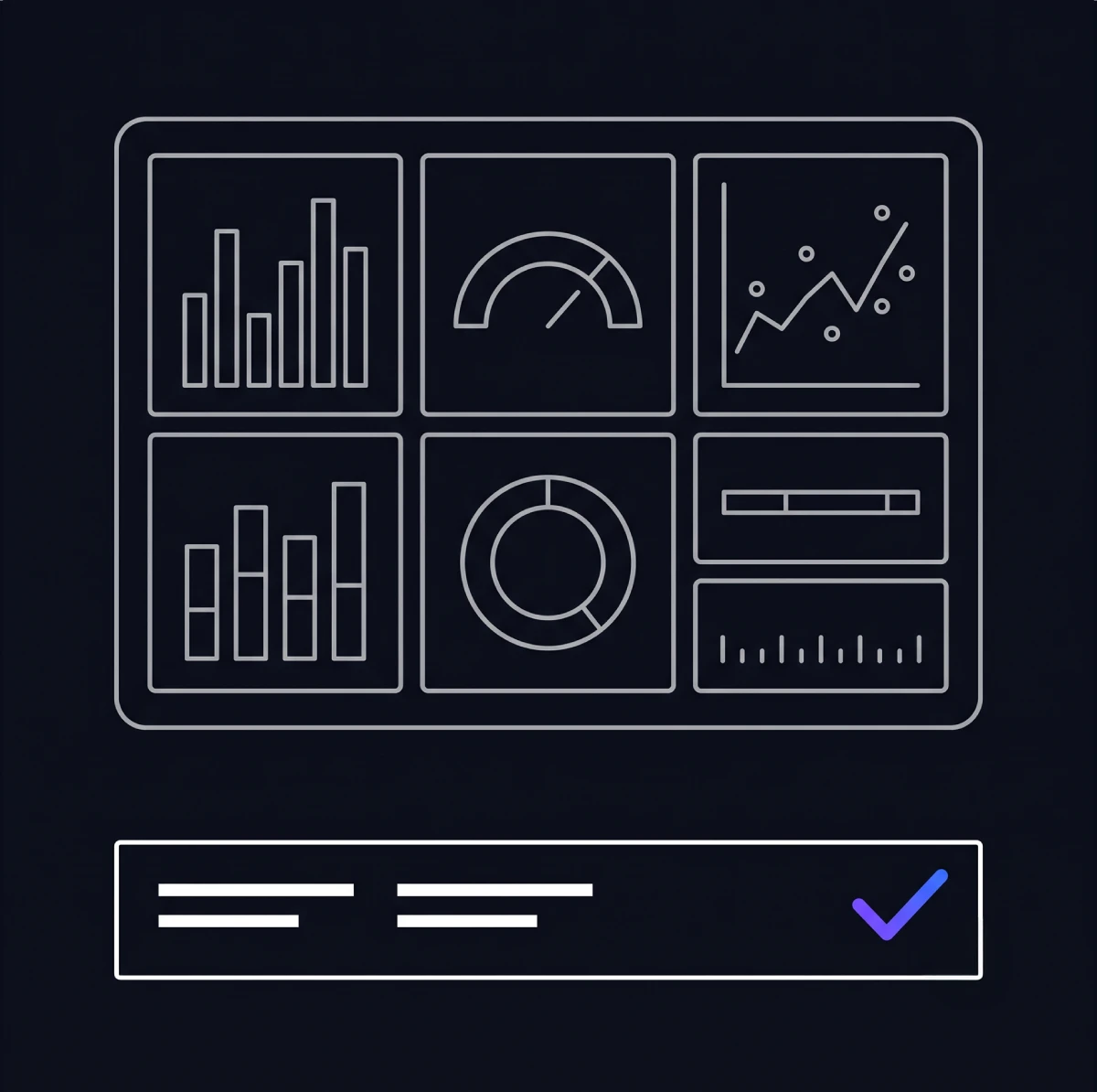
    Predictive ends at the dashboard, Prescriptive ends at the work order

    “Our team is no longer running from one breakdown to the next. We now start our day with a prioritized list from the system, telling us which machine needs attention. The system is amazing.”

    - Mr. Alaa Farrag, Maintenance Manager, SPCC
  6. 06

    Predictive learns from data. Prescriptive learns from data and operators.

    A predictive model retrains on more of the same signal. Its ceiling is set by the labels it was given at the start.

    Prescriptive AI closes the loop with the people who work the machine. When an operator validates whether the prescribed fix was correct, that signoff becomes a labelled outcome, and labelled outcomes train sharper models. PlantOS™ formalizes this as the 99% Trust Loop: accuracy builds trust, trust drives action, action produces validated feedback, feedback improves the next prescription. Every cycle compounds, which is why a prescriptive deployment gets more valuable in year three than it was in year one.
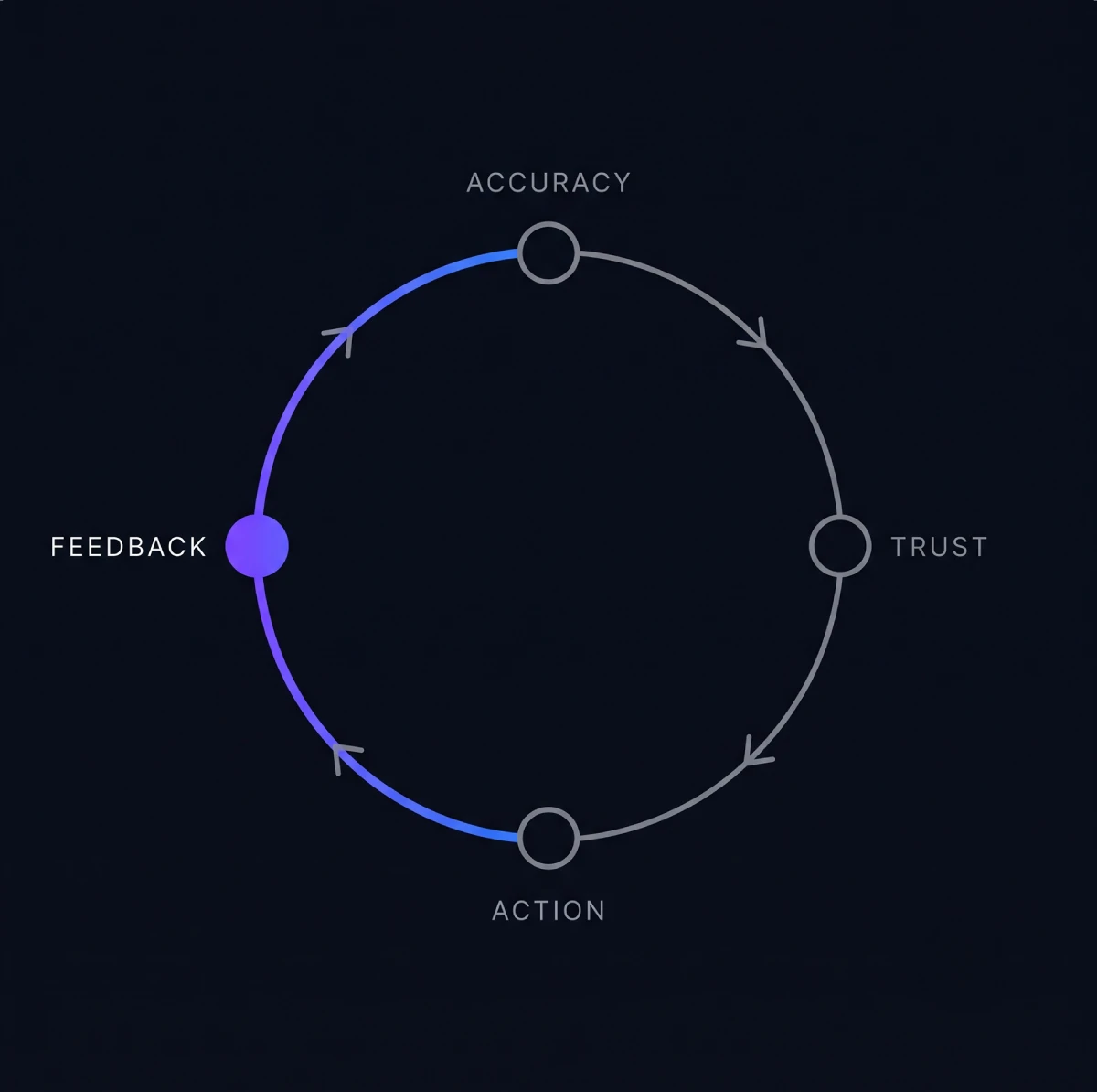
    Predictive learns from data, Prescriptive learns from data and operators
  7. 07

    Predictive is delivered as software. Prescriptive is delivered as an outcome.

    The commercial model is the difference reliability leaders underestimate. Industrial maintenance software is typically licensed per asset or per seat, and the value case rests on the buyer to prove after the fact.

    Infinite Uptime's PlantOS™ is delivered as Production Outcomes as a Service, with the commitment expressed in plant KPIs rather than platform features: less unplanned downtime, more throughput, lower cost per ton. Customers see up to 10 % lower maintenance cost, up to 2.5 % higher throughput, and figures validated by their own reliability and operations teams.
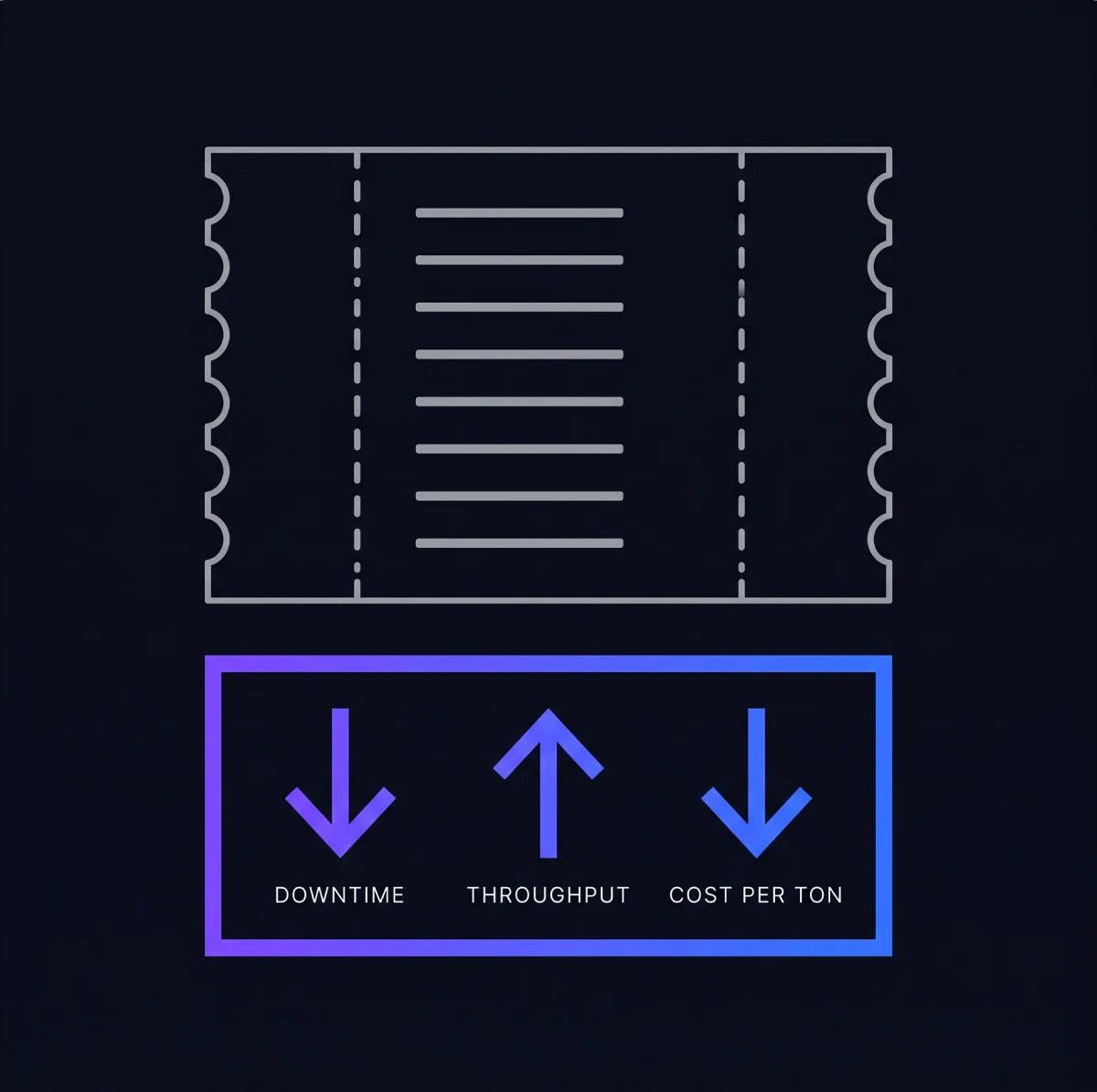

    Predictive is delivered as software, Prescriptive is delivered as an outcome

Predictive maintenance comparison at a glance

How to evaluate prescriptive maintenance platforms

Five questions separate a genuine prescriptive capability from a rebranded predictive one:

1

Does the output name a fault mode and a corrective action, or only a risk score?

2

Does the model ingest process data, or equipment data alone?

3

What percentage of prescriptions are acted upon at reference sites?

4

Who validates the outcome, and is that validation fed back into the model?

5

Is the contract written against plant KPIs or platform access?

If a vendor cannot answer question three with a number from live plants, the deployment risk sits with you.

The shift worth making

Prediction was a real advance over calendar-based maintenance, and it earned its place. The limitation is that a forecast alone does not schedule a job, free up a shift, or protect a production plan.


PlantOS™ is now live across 1,000 plants in 28 countries, with 167,837 hours of unplanned downtime saved and every figure signed off by the customer teams that logged it. For manufacturing enterprises pursuing maintenance optimization at scale, the practical question is no longer whether the plant can see failure coming. It is whether the plant acts in time.

Start with your most critical line. Try PlantOS™

Frequently Asked Questions

Prescriptive maintenance is an industrial AI approach that identifies a developing fault, explains its cause, and issues a specific corrective action with a deadline and a priority. It goes beyond detecting that an asset may fail by telling the maintenance team which fix to perform, on which asset, and before which date, then recording whether that fix worked.

Predictive maintenance outputs a probability of failure. Prescriptive maintenance outputs an instruction. The practical differences are scope of data, since prescriptive AI reads process signatures alongside mechanical ones, and endpoint, since a prescriptive workflow closes at a work order with operator signoff rather than at a dashboard. The governing metric also shifts from alert accuracy to prescription action rate.

No, it is the layer above it. Prediction remains the detection engine, and prescriptive AI software adds diagnosis, instruction, prioritization, and validation on top so that detection converts into completed maintenance work. Plants with a mature predictive program usually reach value faster, because sensor coverage and asset baselines already exist.

No. Infinite Uptime’s PlantOS™ operates alongside existing PLC, historian, SCADA, and CMMS environments rather than displacing them, and self-powered wireless sensors install without gateways or plant cabling. The first prescription is typically issued within two weeks of installation, with a structured 90-day path to measurable production outcomes.

Most large plants see returns inside two quarters. SPCC reported 9X ROI within six months of deploying PlantOS™, and Hindustan Zinc Ltd (HZL) of Vedanta Group reported achieved $700K+ in savings as reported by Vedanta Spark. The return comes from prevented outages rather than from labour savings, which is why a single avoided stoppage on a critical line often covers the deployment.

Accuracy is measured by customer validation rather than by internal model scoring. Across the PlantOS™ install base, prescriptions run at 99.97 percent prediction accuracy, with up to 99 percent of them acted upon on the floor. Both numbers matter, because a platform with high accuracy and a low action rate has an adoption problem rather than a modelling problem.

Yes, and multi-site groups gain the most from it. A single platform creates a common fault taxonomy and severity standard, so assets can be ranked by risk across the network and a proven prescription can be transferred between sites. JSW Steel runs PlantOS™ across 139 plants in India and the USA, and Coromandel International across 27.

Any site where a single unplanned outage on a critical line carries material production cost. Asset count matters less than production value per hour. In practice, one prevented outage on a kiln, mill, furnace, or main line tends to cover the platform for the year.