
Flex Reliability · Wired and wireless coverage by PlantOS™
Plant-wide Coverage Built Around Your Infrastructure, Budget and Asset Value
Coverage for the rest of the plant, sized to the infrastructure you have, the budget you set and what each asset is worth. Flex Reliability from Infinite Uptime's PlantOS™ spans wired piezoelectric, MEMS and self-powered wireless sensing, and every reading ends in the same operator-validated prescription.
Different sensors. One prescription standard.
- 1,000plants live
- 28countries
- 9verticals
How Flex Sizes Coverage
Three factors decide the fit. You set all three.
Every asset gets the tier that suits the infrastructure at its mounting point, the budget behind it and what it is worth to the line.
|
Wired
Critical Equipment
|
WiredWireless
Standard Equipment
|
Wireless
Non-Critical Equipment
|
|
|---|---|---|---|
| Built for | Assets that halt a line | The everyday rotating fleet | Balance of plant and auxiliaries |
| Sensing | Wired piezoelectric (vSense) | MEMS, wired (vEdge) or wireless (FitMachine) | Self-powered wireless (InfiSense 3XT) |
| Data mode | Continuous, widest frequency band | Continuous when wired, periodic when wireless | Periodic health checks |
| Power | Wired | Wired, or battery lasting 2 to 5+ years by variant | Harvested from ambient light, no batteries |
| Connectivity | Wired stream, no gateways | Existing cabling, or wireless | Built-in cellular, no gateway or Wi-Fi |
| Typical assets | Kiln and mill drives, SAG and ball mill drives, ID/FD fans, hot-rolling gearboxes, turbo compressors | Pumps, fans, motors, gearboxes, compressors, conveyor drives, agitators | Auxiliary pumps, utility fans, conveyors, secondary motors |
| Operating range | 2 to 12,000 RPM by model; ATEX and IP68 variants | 20 to 5,000 RPM by model; ATEX variant | ATEX variant available |
| Install | Uses existing trays and conduit | Wired where infrastructure exists, wireless in minutes | Magnet-mount, self-install |
Critical Equipment Reliability
- Built for
- Assets that halt a line
- Sensing
- Wired piezoelectric (vSense)
- Data mode
- Continuous, widest frequency band
- Power
- Wired
- Connectivity
- Wired stream, no gateways
- Typical assets
- Kiln and mill drives, SAG and ball mill drives, ID/FD fans, hot-rolling gearboxes, turbo compressors
- Operating range
- 2 to 12,000 RPM by model; ATEX and IP68 variants
- Install
- Uses existing trays and conduit
Standard Equipment Reliability
- Built for
- The everyday rotating fleet
- Sensing
- MEMS, wired (vEdge) or wireless (FitMachine)
- Data mode
- Continuous when wired, periodic when wireless
- Power
- Wired, or battery lasting 2 to 5+ years by variant
- Connectivity
- Existing cabling, or wireless
- Typical assets
- Pumps, fans, motors, gearboxes, compressors, conveyor drives, agitators
- Operating range
- 20 to 5,000 RPM by model; ATEX variant
- Install
- Wired where infrastructure exists, wireless in minutes
Non-Critical Equipment Monitoring
- Built for
- Balance of plant and auxiliaries
- Sensing
- Self-powered wireless (InfiSense 3XT)
- Data mode
- Periodic health checks
- Power
- Harvested from ambient light, no batteries
- Connectivity
- Built-in cellular, no gateway or Wi-Fi
- Typical assets
- Auxiliary pumps, utility fans, conveyors, secondary motors
- Operating range
- ATEX variant available
- Install
- Magnet-mount, self-install
The sensor range
Seven sensors. One coverage standard.
Match the sensor to the site, not the other way round. Wired or wireless, every sensor feeds the same PlantOS™ prescription engine.
Scroll sideways to see all 7 sensors
One Engine
Three ways to sense. One way to prescribe.
Wired or wireless, every reading runs through the same PlantOS™ engine and reaches your team as a prescription with the component at fault, the cause, the corrective action and its severity.
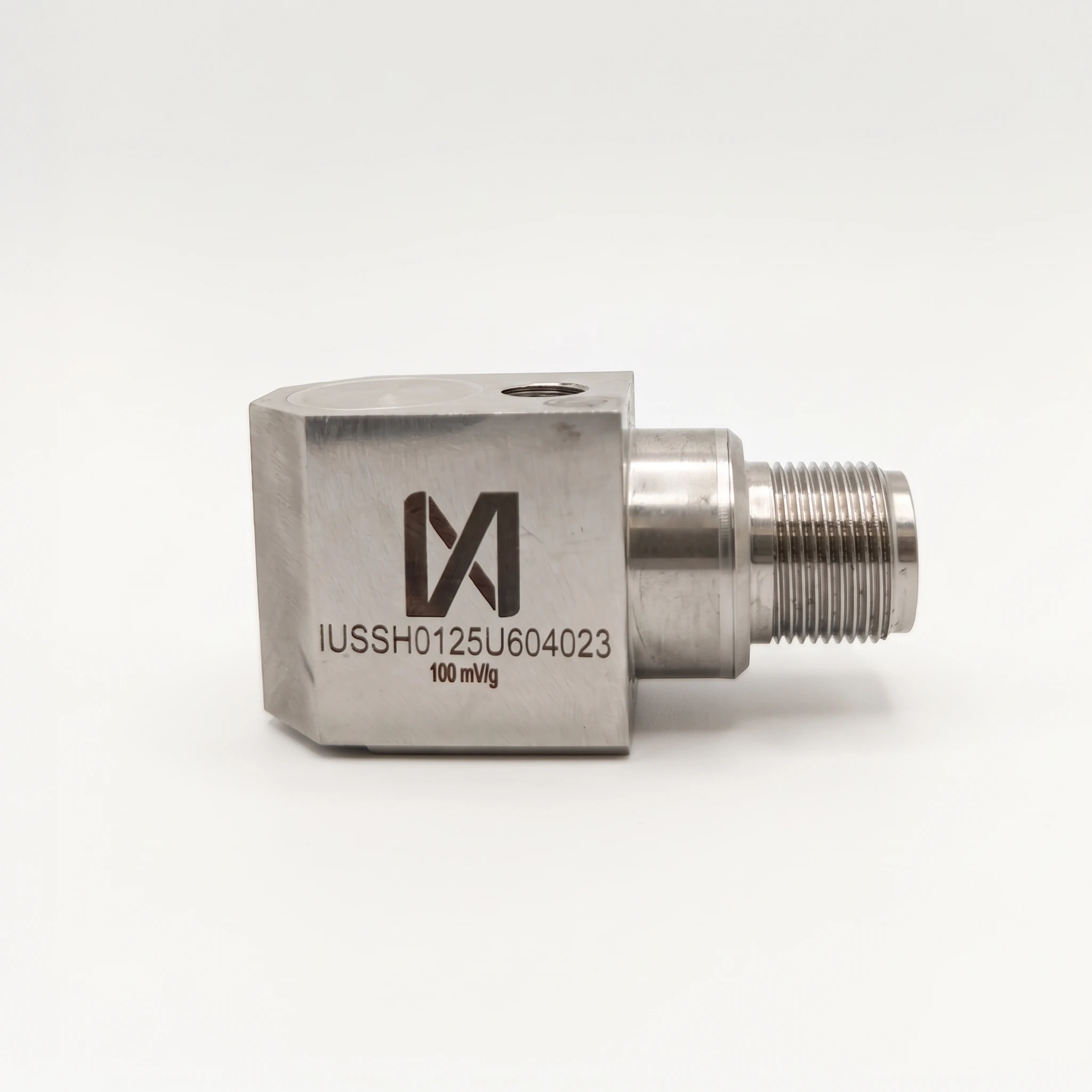
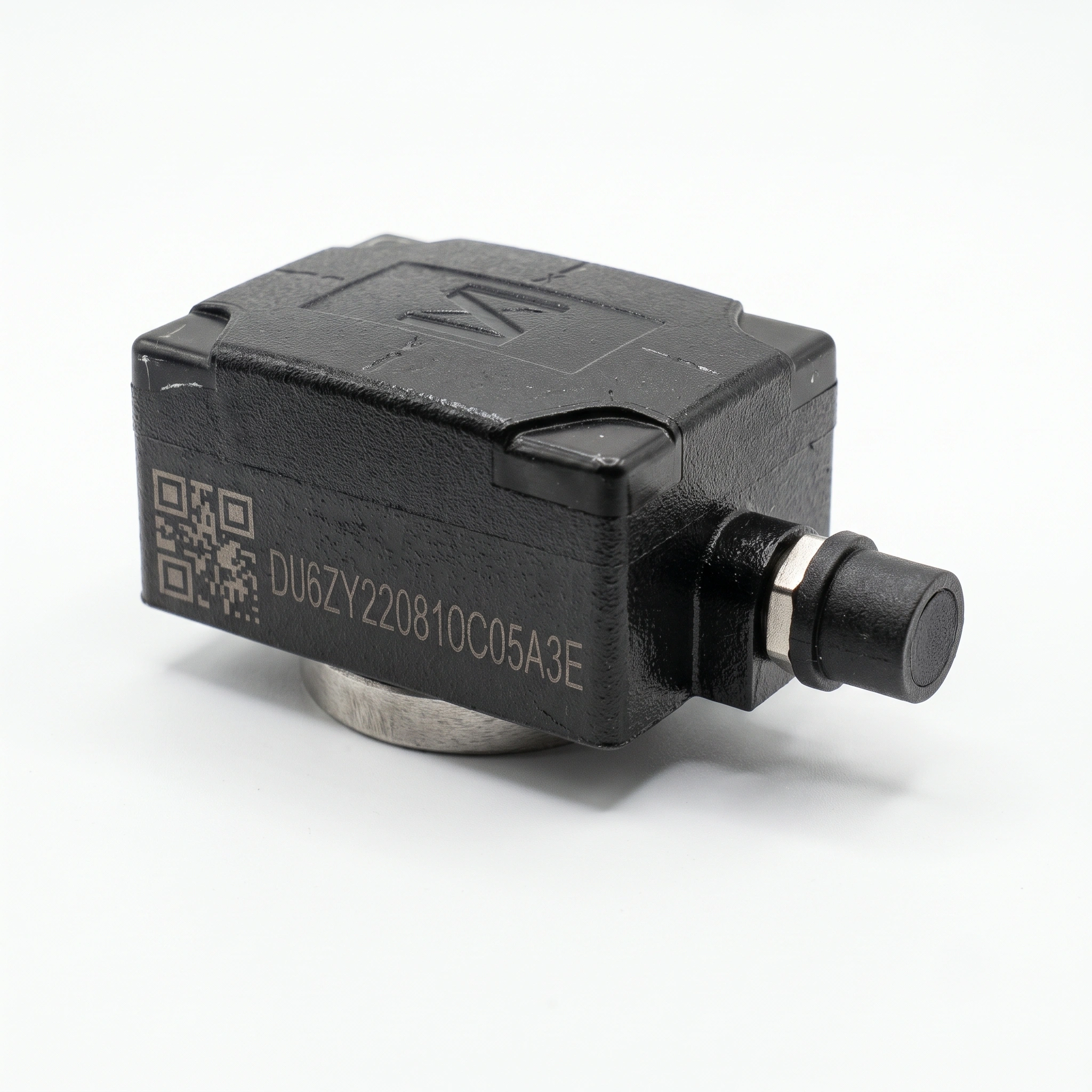
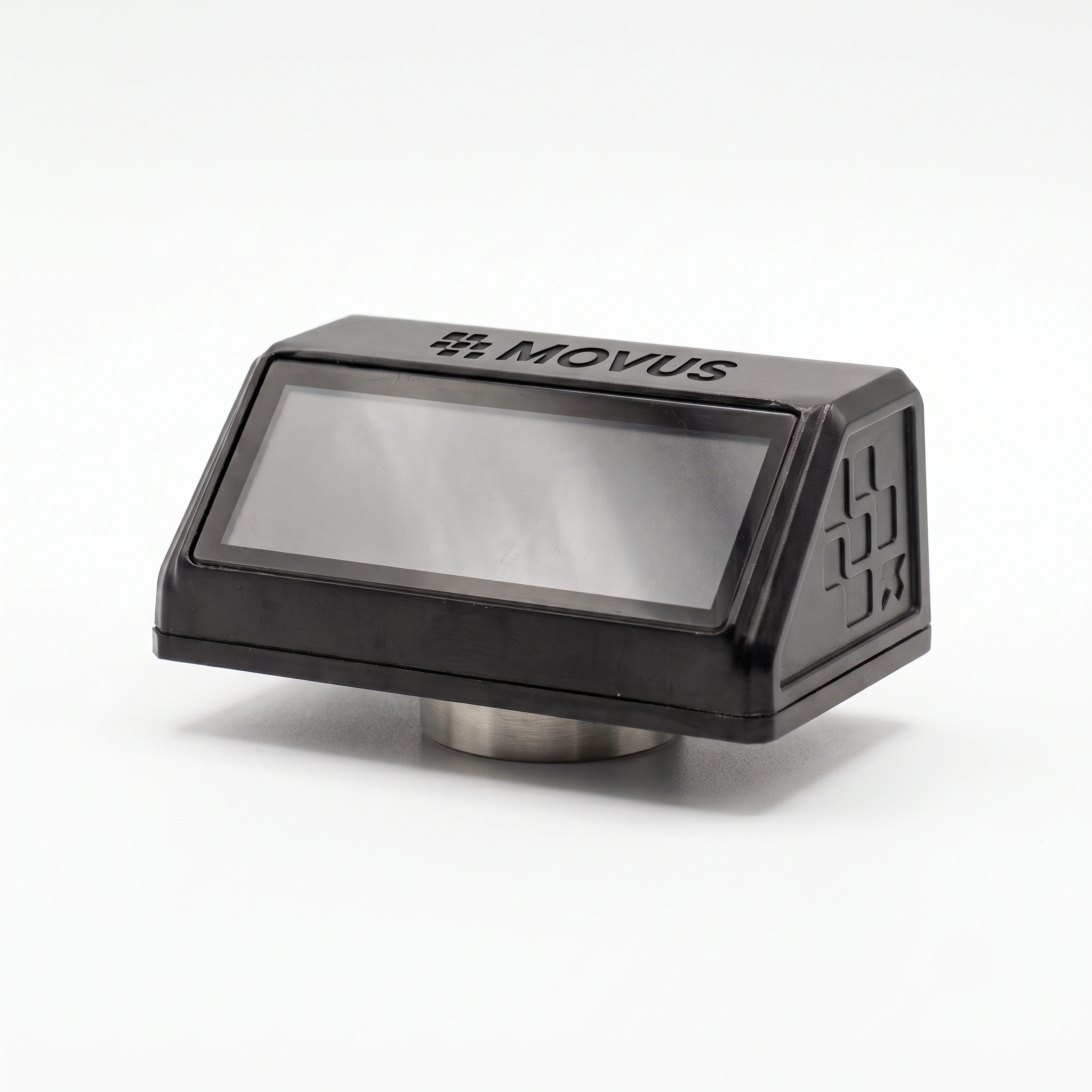
One prescription engine
- Asset
- Conveyor drive gearbox
- Component
- Output shaft bearing, outer race defect
- Cause
- Lubrication degradation
- Action
- Replace bearing and flush lubricant
- Severity
- High
Every validation retrains the models across 1,000 plants, so each prescription sharpens the next.
Keep the sensors you have.
Third-party sensor data is ingested as‑is, alongside SCADA, historian and CMMS.
Coverage grows from what you already own
First prescription in two weeks.
Each sensing type goes in the way your site allows, with no rip and replace.
Install routes
- WiredUses existing conduit
- Wireless MEMSInstalls in minutes
- InfiSenseMounts by magnet
Business value
What full coverage returns to the plant.
Less Downtime
Developing faults surface early enough for your team to plan the fix.
Unplanned stops, trending down
More Throughput
Auxiliaries that feed and support the line are covered too, so secondary failures stop stalling primary output.
Output held, trending up
Lower Cost/ton
Manual rounds on balance-of-plant equipment give way to scheduled health checks, saving 4+ hours per asset per year.
Maintenance cost per ton, trending down
Let’s map coverage for your whole plant.
On a discovery call, we’ll look at your assets by infrastructure, budget and value, show where each tier fits, and model the ROI before you commit.
On the call
- 1
Map your assetsBy infrastructure, budget and value
- 2
Fit each tierSee where each level of coverage belongs
- 3
Model the ROIBefore you commit
01
Should I use wired or wireless vibration monitoring?
It depends on three factors: whether cabling and power already reach the asset, the budget behind it, and what the asset is worth to the line. Wired sensors suit high-value assets where cabling exists and early detection matters most. Wireless sensors suit equipment where running cable isn’t practical or justified. Flex Reliability from Infinite Uptime’s PlantOS™ lets you mix both across one plant, with every reading feeding the same prescription engine.
02
What is the difference between piezoelectric and MEMS vibration sensors?
Piezoelectric accelerometers capture a wider frequency band with a lower noise floor, which makes them the standard for critical and hard-to-monitor rotating equipment. MEMS sensors deliver broadband vibration data at a fraction of the cost and footprint, which suits the pumps, fans, motors and gearboxes that make up most of a plant. PlantOS™ offers both: vSense wired piezoelectric sensors, plus vEdge and FitMachine MEMS sensors in wired and wireless versions.
03
Which equipment needs continuous monitoring, and which can be checked
periodically?
Continuous monitoring suits equipment where a stoppage halts production or where faults can develop quickly, such as main mill drives, large fans and critical gearboxes. Periodic health checks suit auxiliary and balance-of-plant equipment, where a scheduled reading is enough to catch a developing fault in good time. In Flex Reliability, wired sensors stream continuously and wireless sensors take periodic readings, so each asset gets the data rate its role justifies.
04
How can I monitor balance-of-plant equipment cost-effectively?
Use self-powered wireless sensors that need no cabling, batteries or gateways. InfiSense 3XT harvests energy from ambient light, connects over built-in cellular, and mounts by magnet without a specialist. That makes it practical to cover equipment that has never had a monitoring budget, while replacing more than 4 hours of manual inspection rounds per asset per year. Readings arrive as PlantOS™ prescriptions rather than raw data.
05
How do you monitor low-speed equipment such as mills and heavy gearboxes?
Low-speed machines produce weak, low-frequency vibration signals, so they need a sensor with high sensitivity and a low noise floor. The vSense 1XT wired piezoelectric sensor covers equipment running as slow as 2 RPM, and its sensing is rated for harsh operating envelopes. That makes it suitable for ball and SAG mill drives, heavy gearboxes and other slow, high-load assets.
06
Can vibration sensors be used in hazardous or ATEX-classified areas?
Yes, with certified sensors. Flex Reliability includes ATEX-certified options at each level of coverage: vSense wired piezoelectric sensors for explosive-atmosphere zones, the FitMachine 3XT-Ex wireless MEMS sensor with a battery life of 5+ years, and an ATEX-certified version of InfiSense 3XT. This lets chemical, oil and gas, and pharma plants extend coverage into hazardous zones without running new cable.
07
Can PlantOS™ use the vibration sensors we already have?
Yes. Flex Reliability ingests data from existing third-party sensors as it is, and PlantOS™ works alongside your SCADA, historian and CMMS. There is no rip and replace. Coverage grows from what you already own, and new sensors are added only where there’s a gap.
08
How is Flex Reliability different from a condition monitoring system?
A condition monitoring system shows vibration trends and raises alarms that an analyst still has to interpret. Flex Reliability delivers a prescription: the component at fault, the cause, the corrective action and its severity. Operators validate each prescription with a digital sign-off, and those validations retrain the models across 1,000 plants, so accuracy improves the longer the system runs.
09
How does Flex Reliability work with AI Shields and Plant Fusion?
Together they cover the plant’s full criticality spectrum on one platform. AI Shields protect flagship production equipment such as kilns, mills and cranes with equipment-specific AI. Flex Reliability covers the rest of the rotating fleet with wired and wireless sensing. Plant Fusion rolls both into one risk model that drives maintenance, spares and CAPEX decisions.