Prescriptive AI for Cement Industry
Outcomes Delivered
Prescriptive AI for cement plants turns equipment and process data into a single actionable work order. A predictive alert tells a plant operator that a rotary kiln is trending toward failure, and leaves the diagnosis to them. A PlantOS™ prescription tells them the fault, the fix, and business outcomes – and arrives ready to convert into a work order. In a cement plant, that difference shows up on the kiln, the mill, and the VRMs: less unplanned downtime, more throughput, and lower cost/ton per asset.
Beyond Predictive:
Why Cement Plants Needs Prescriptive AI
Prescriptive AI is the output: the fault, the fix, and business outcomes. Vertical AI is the failure logic behind it, so a reading on a sinter VRM gearbox is judged against how VRM gearbox fails, not against a generic deviation threshold. Most cement plant failures are not purely mechanical.
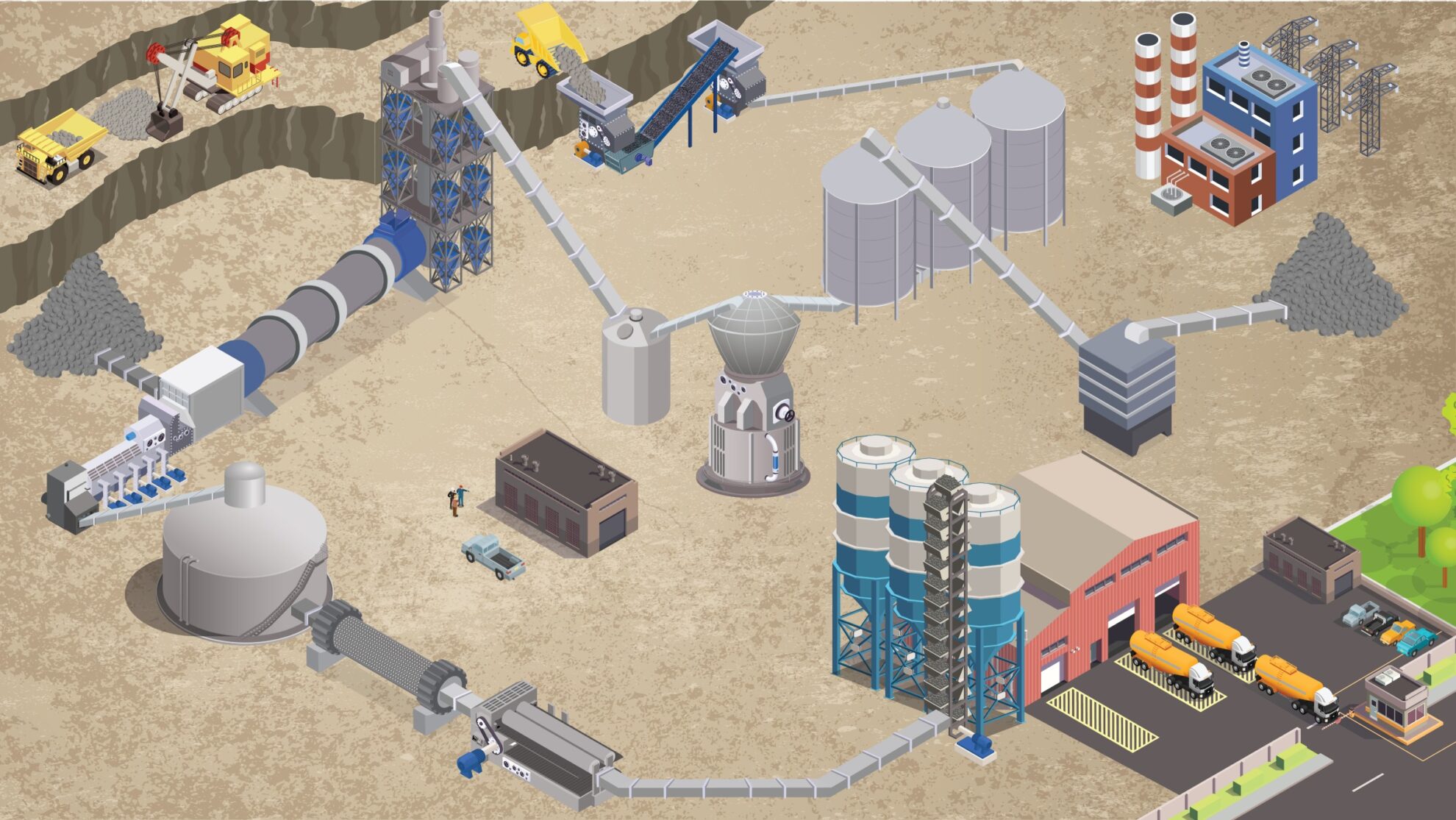
Raw Material Handling
Stacker Reclaimer
Crusher
Feeder
Vibrating Screen
Belt Conveyor
Raw Mill Section
Vertical Roller Mill
Classifier
Raw Mill Fan
Belt Conveyor
Raw Mill Exhaust Fan
Pyro Section
Kiln Main Drive
Girth Gear & Pinion
PA Fan
Preheater Fan
Bag Filter Fan
Kiln Feed Elevator
Clinker Cooler Fan
Silo
Deep Pan Conveyor
Belt Conveyor
Cement Mill
Mill Main Drive
Bucket Elevator
FD Fan
ID Fan
Roller Press
Planetary Drive
Movable Roller
Fixed Roller
Packaging Plant
Bucket Elevator
Deep Pan Conveyor
Bag Filter Fan
Powerplant Boiler Feed Pump PA Fan SA Fan ID Fan CEP Pump Vacuum Pump Cooling Water Pump Demineralization Pump Gas Turbine Cooling Tower Fan
01
Raw Material Handling
- Stacker Reclaimer
- Crusher
- Feeder
- Vibrating Screen
- Belt Conveyor
02
Raw Mill Section
- Vertical Roller Mill
- Classifier
- Raw Mill Fan
- Belt Conveyor
- Raw Mill Exhaust Fan
03
Pyro Section
- Kiln Main Drive
- Girth Gear & Pinion
- PA Fan
- Preheater Fan
- Bag Filter Fan
- Kiln Feed Elevator
- Clinker Cooler Fan
04
Silo
- Deep Pan Conveyor
- Belt Conveyor
05
Cement Mill
- Mill Main Drive
- Bucket Elevator
- FD Fan
- ID Fan
06
Roller Press
- Planetary Drive
- Movable Roller
- Fixed Roller
07
Packaging Plant
- Bucket Elevator
- Deep Pan Conveyor
- Bag Filter Fan
08
Powerplant
- Boiler Feed Pump
- PA Fan
- SA Fan
- ID Fan
- CEP Pump
- Vacuum Pump
- Cooling Water Pump
- Demineralization Pump
- Gas Turbine
- Cooling Tower Fan
PlantOS™ reads both signatures on the same asset, so the prescription names the mechanical fault and the process condition sustaining it.
Three outcomes follow: less downtime, more throughput, lower cost per tonne.
The PlantOS™ Difference
and process-induced fault signatures on every critical cement asset, then prescribes the fix for both.
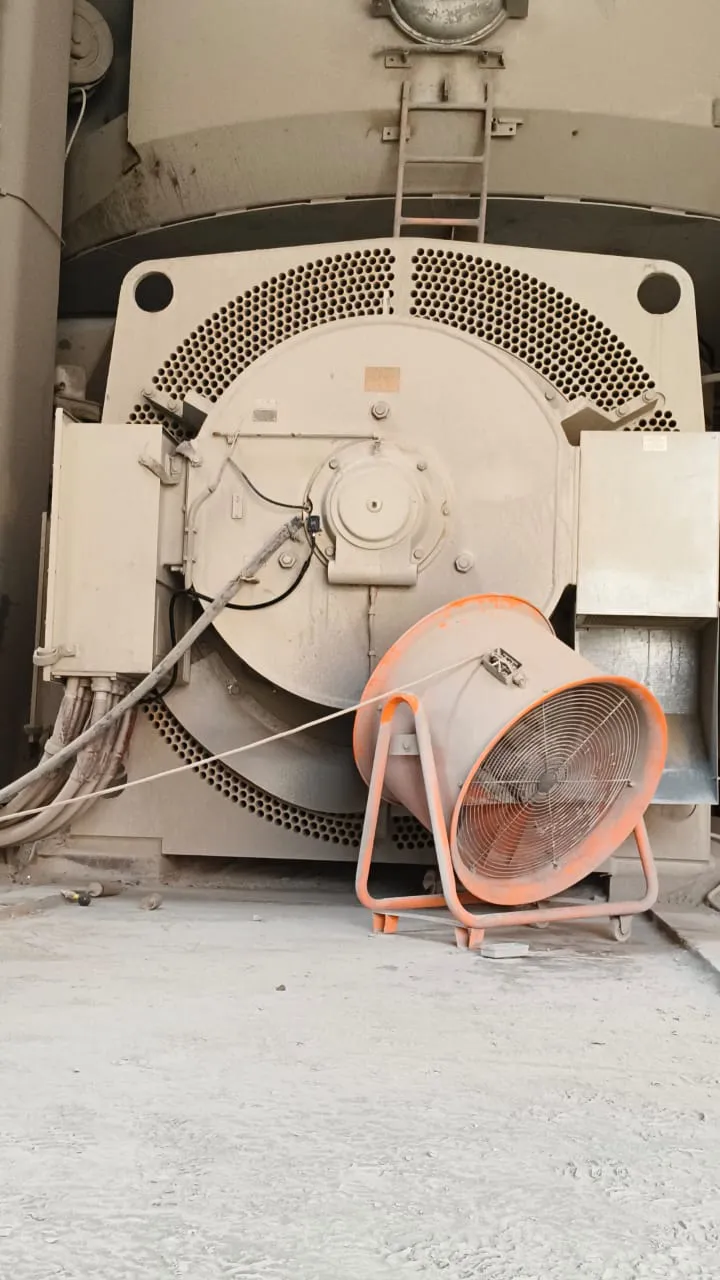
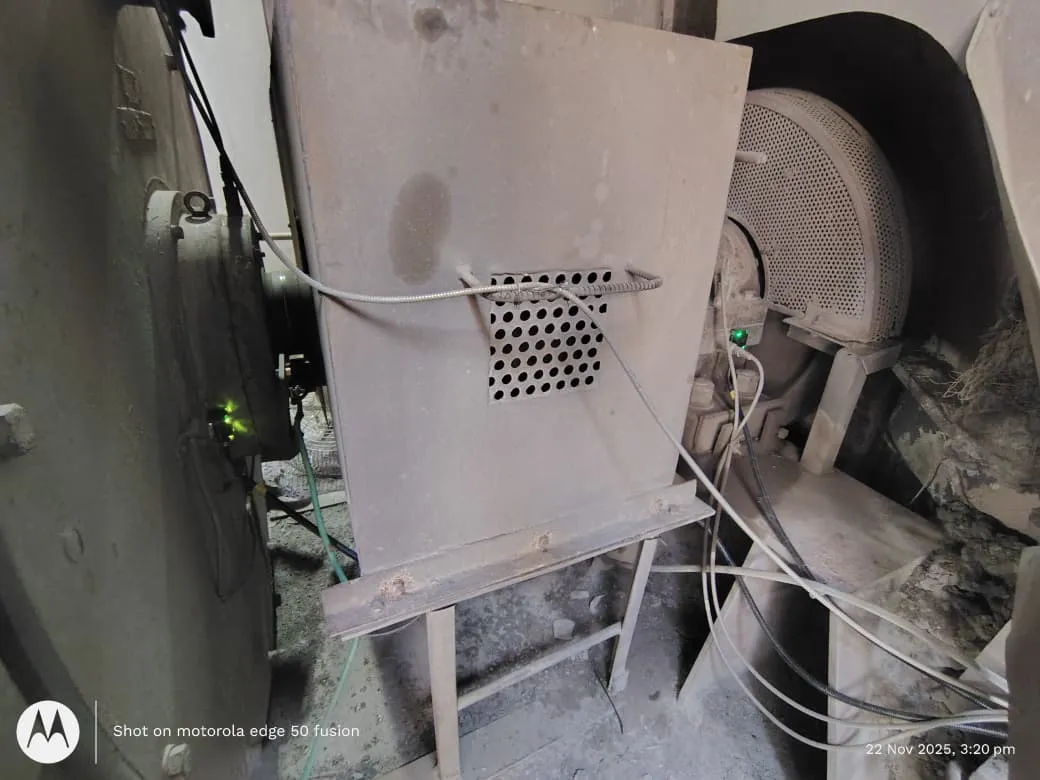
Key rotating equipment enduring extreme thermal and mechanical stresses from high temperatures (up to 1450°C), material loads, and constant motion.
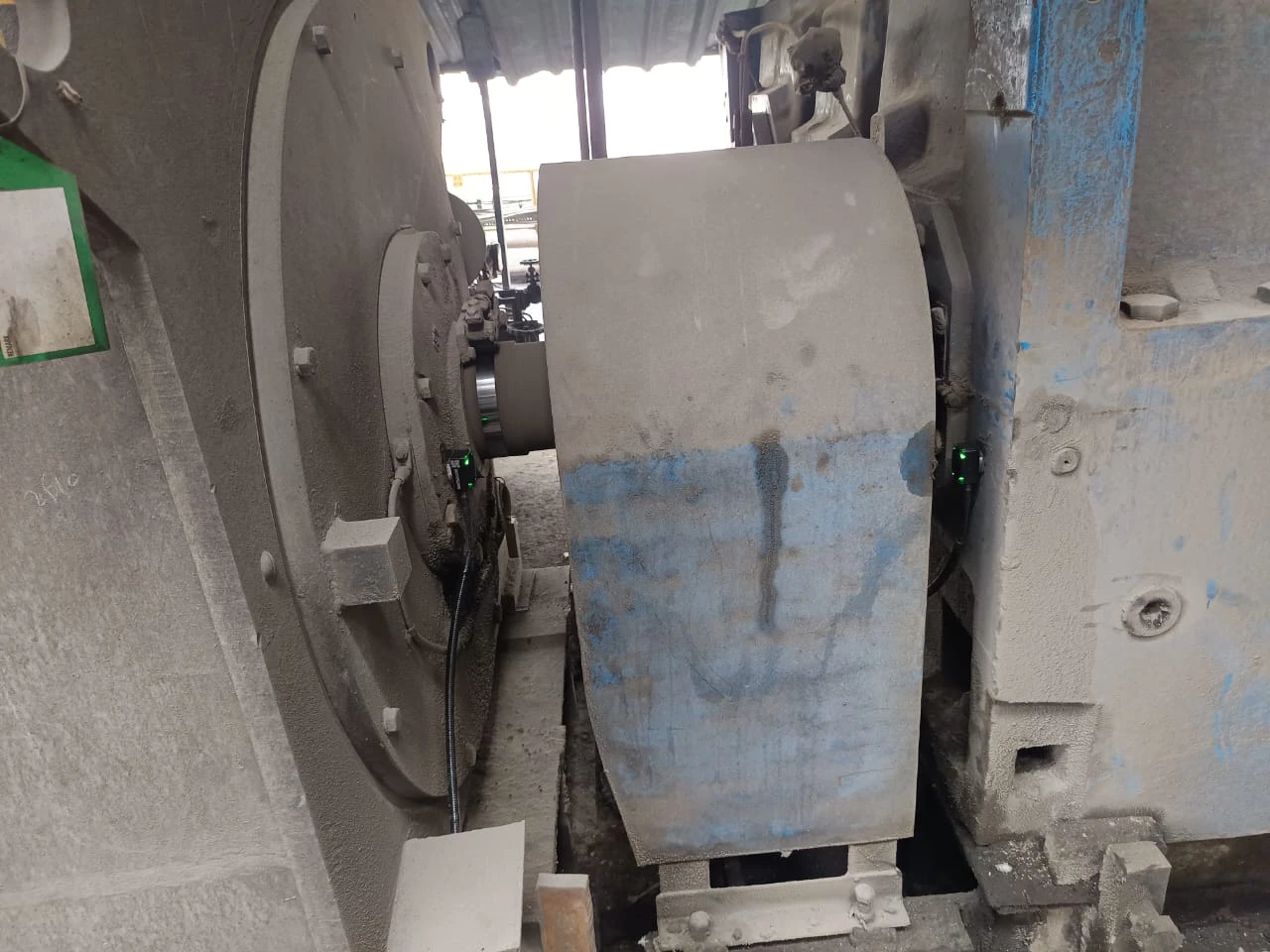
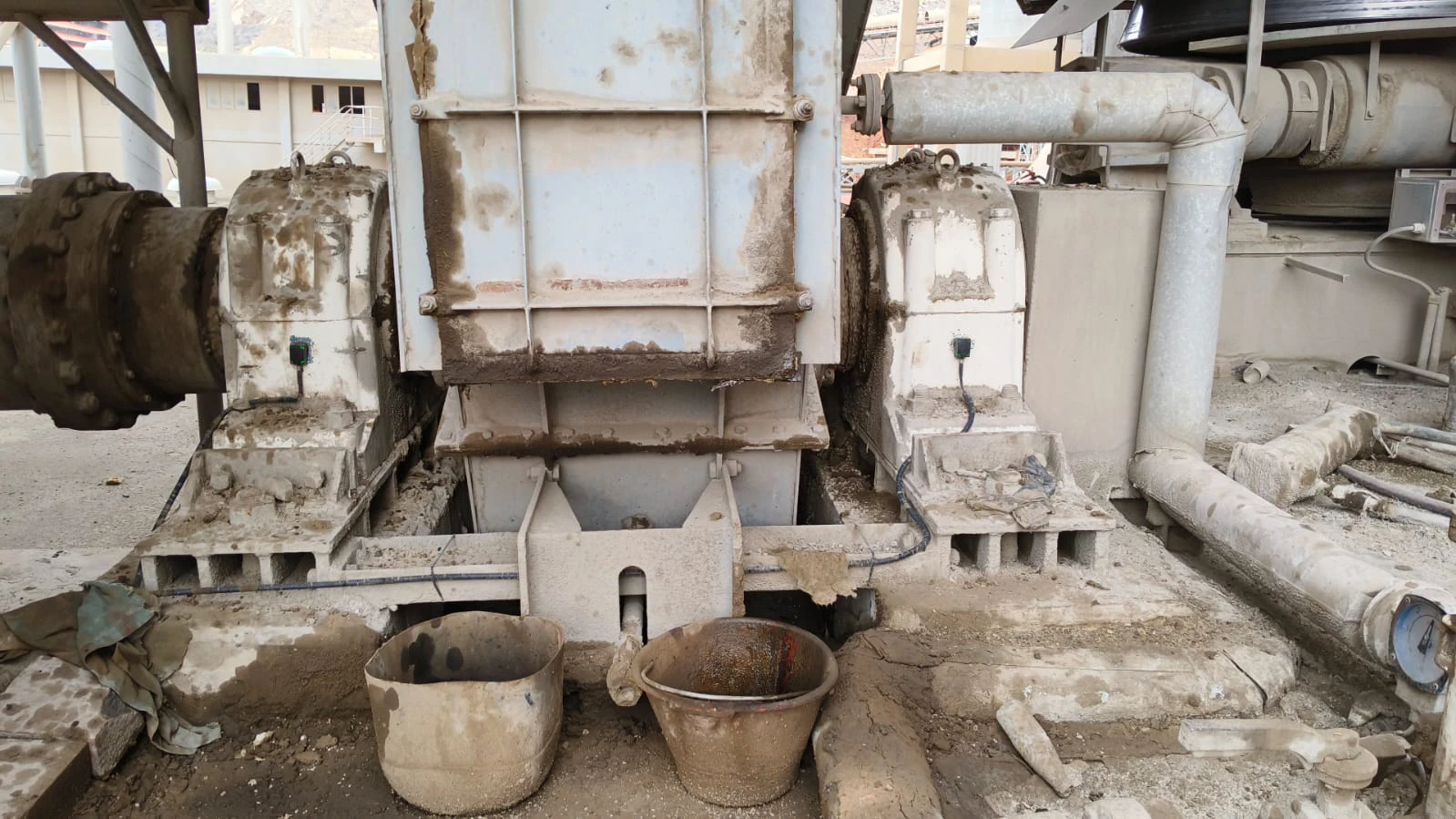
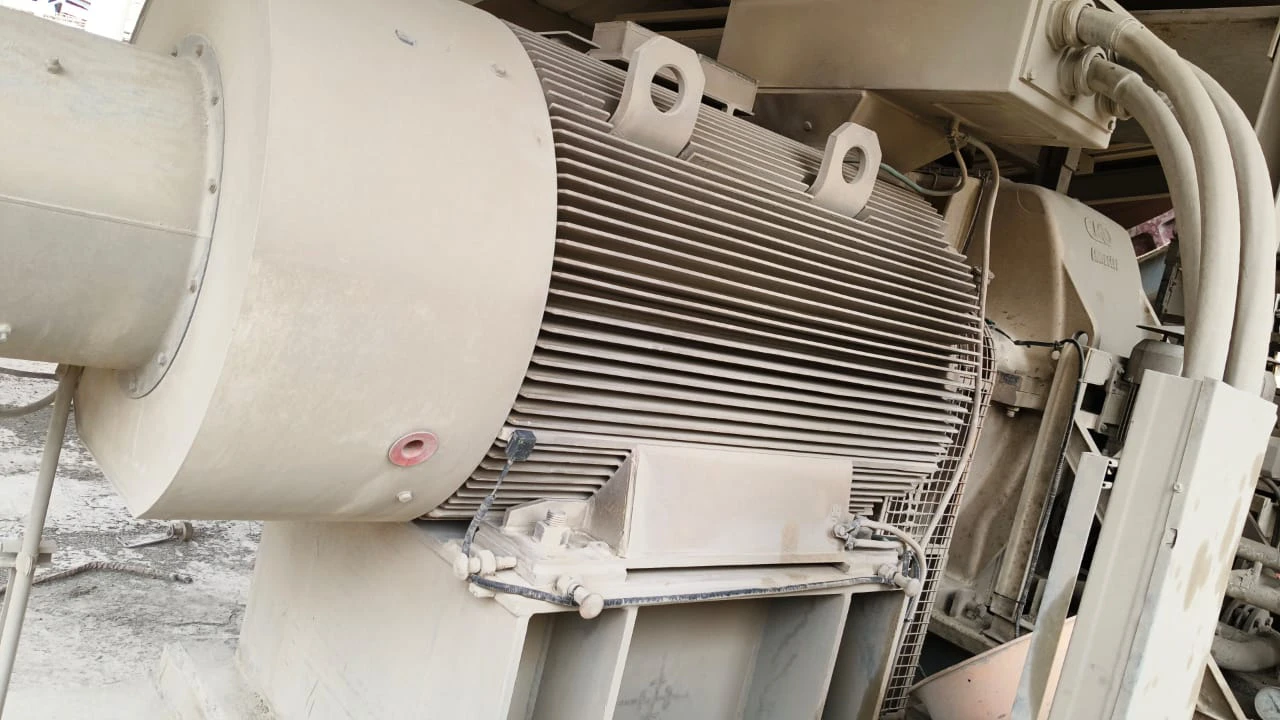
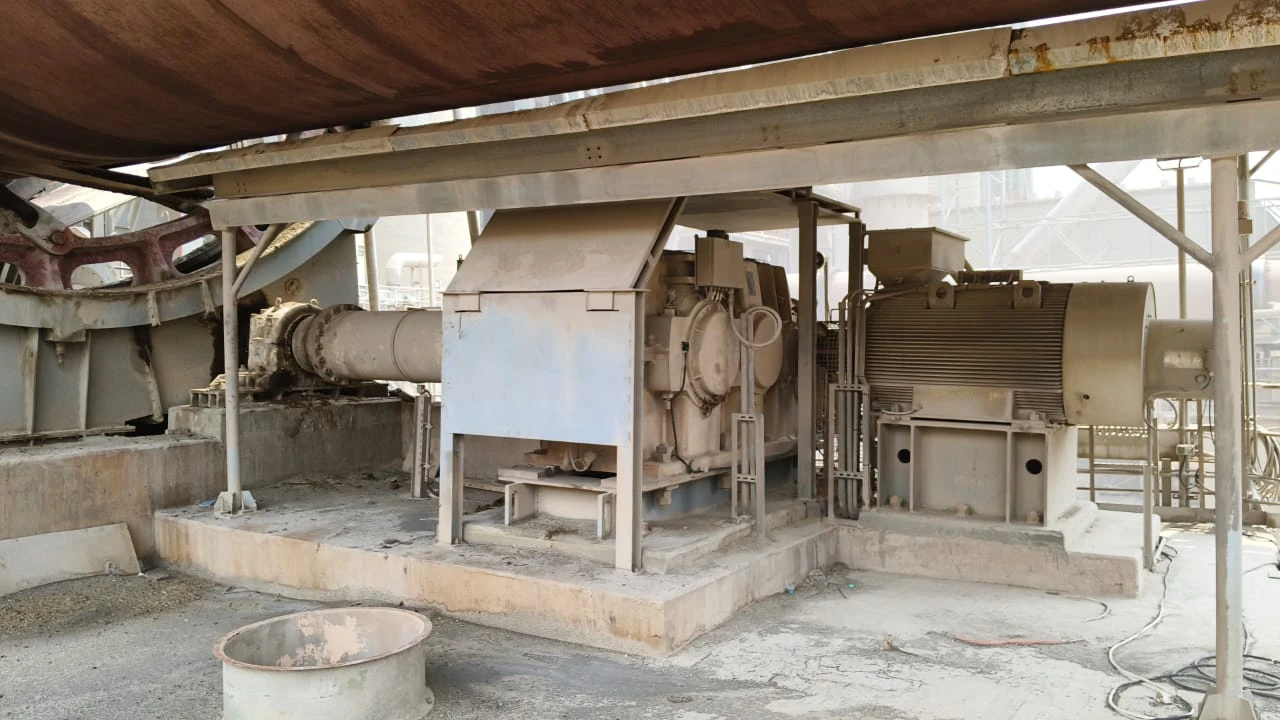
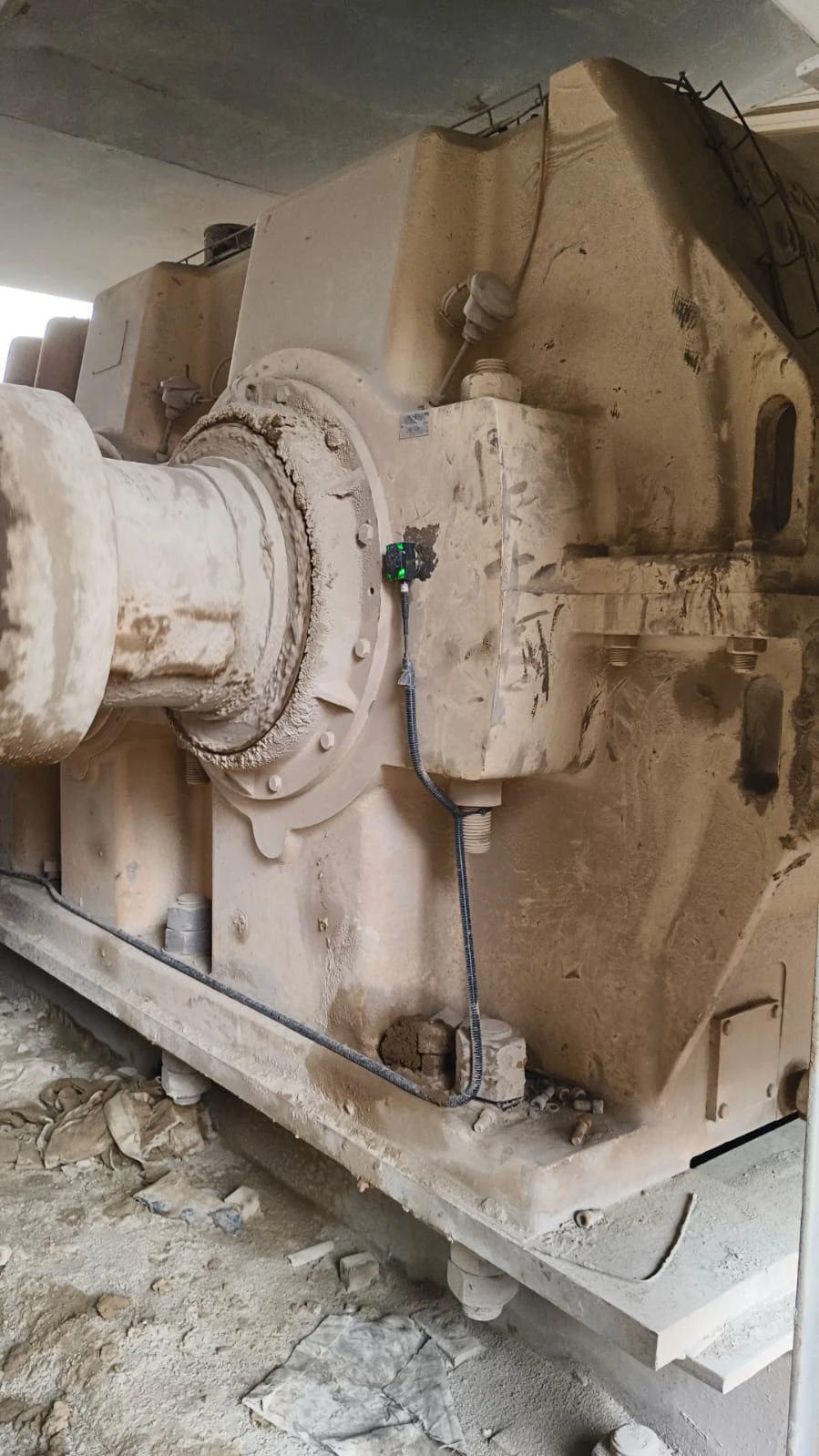
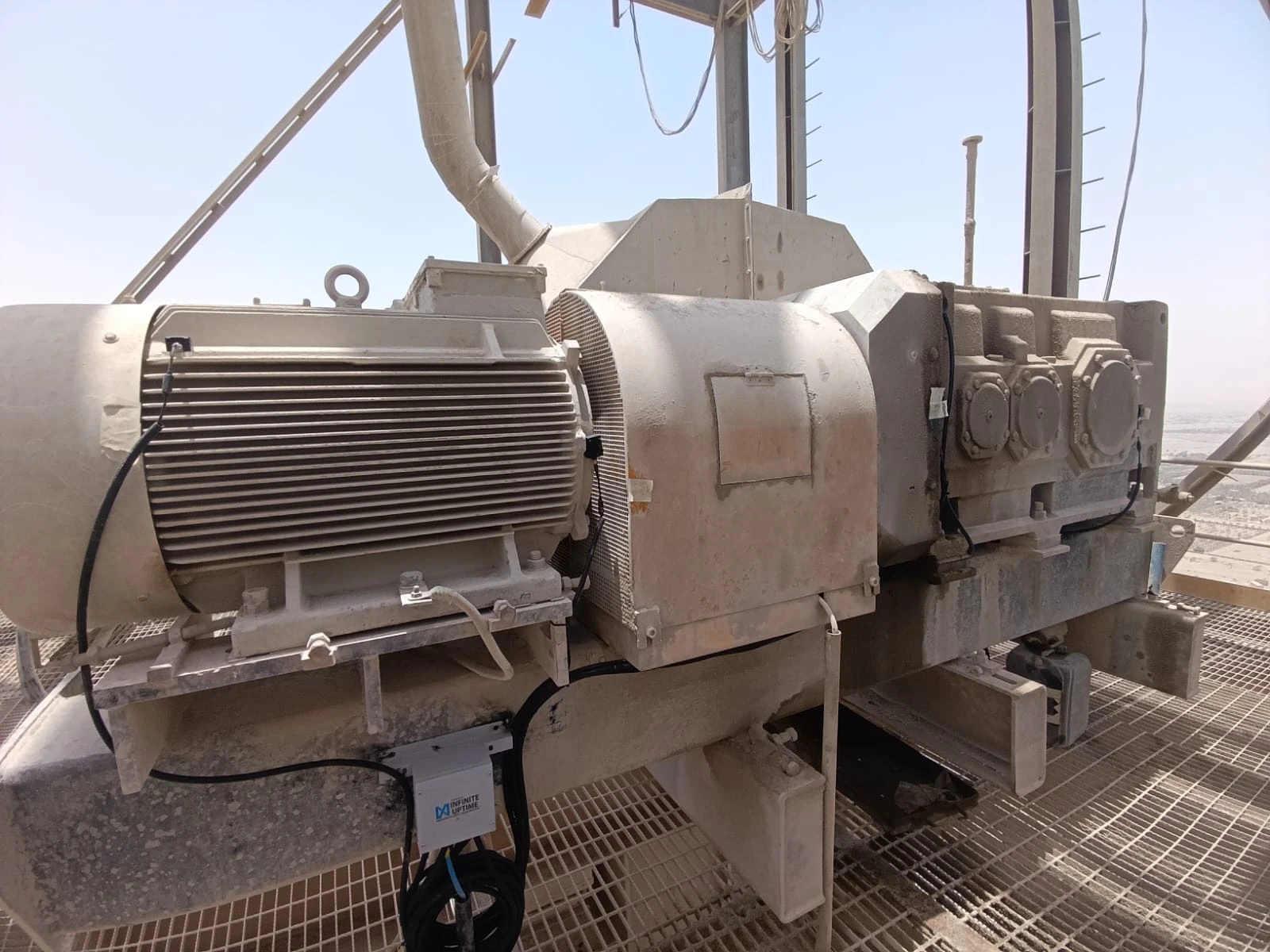
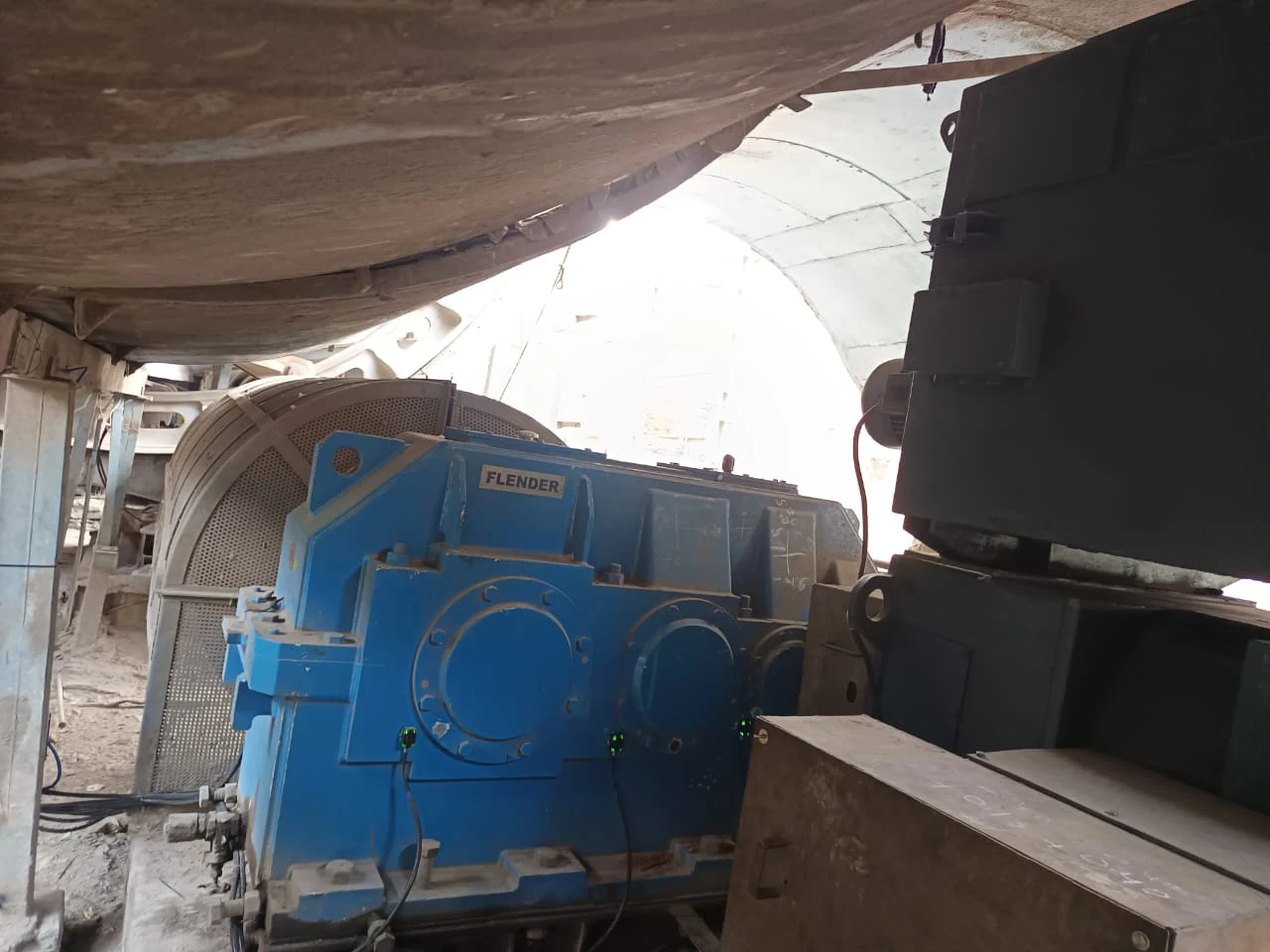
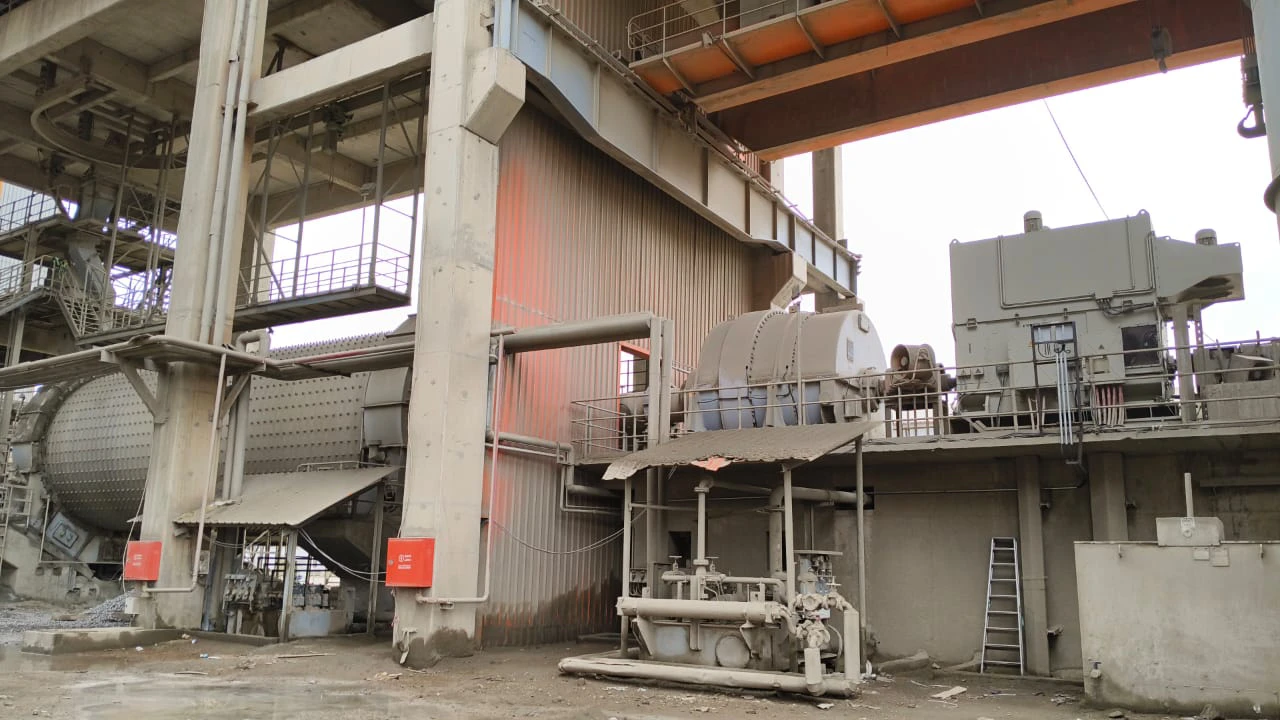
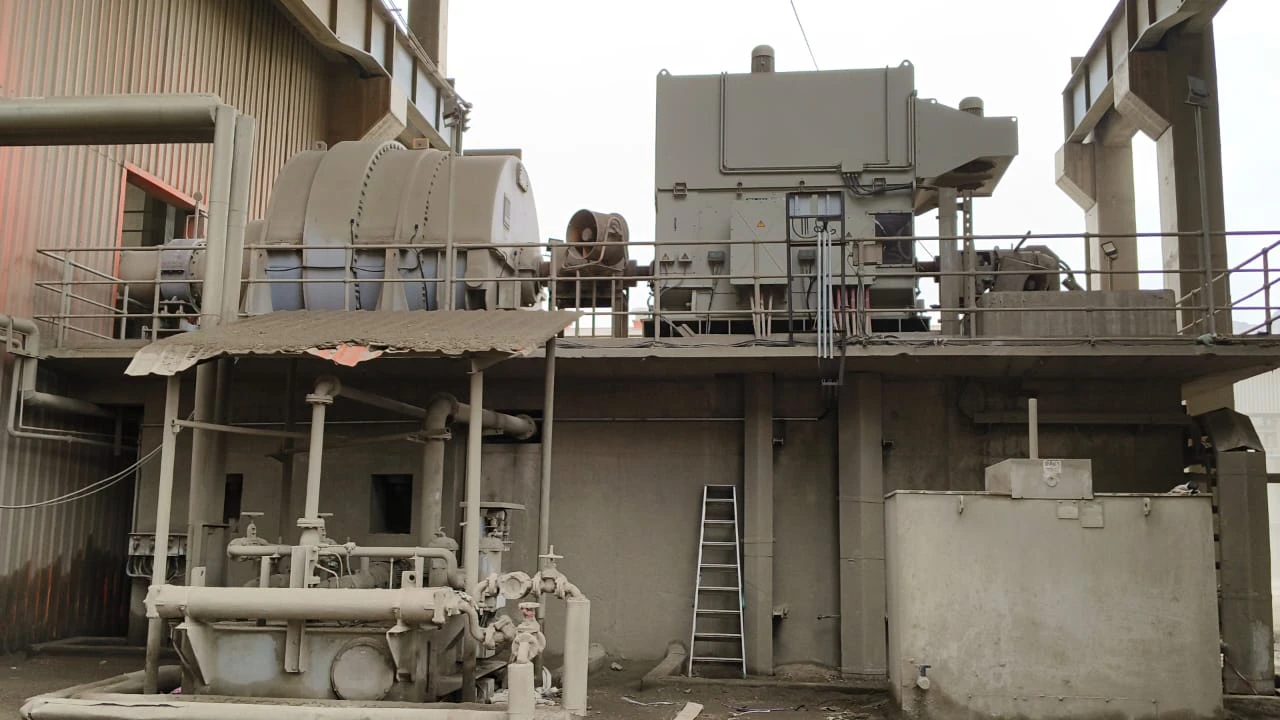
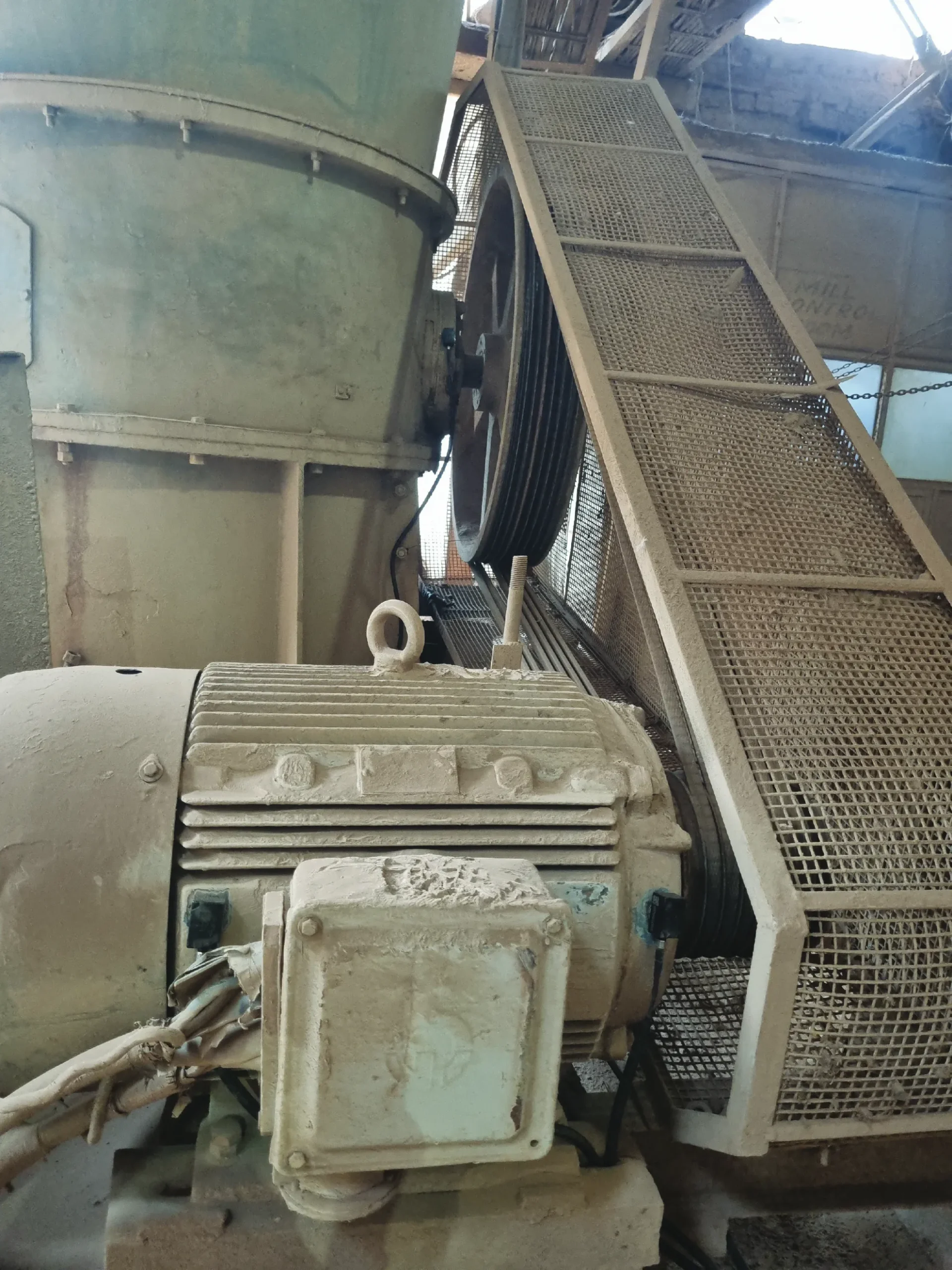
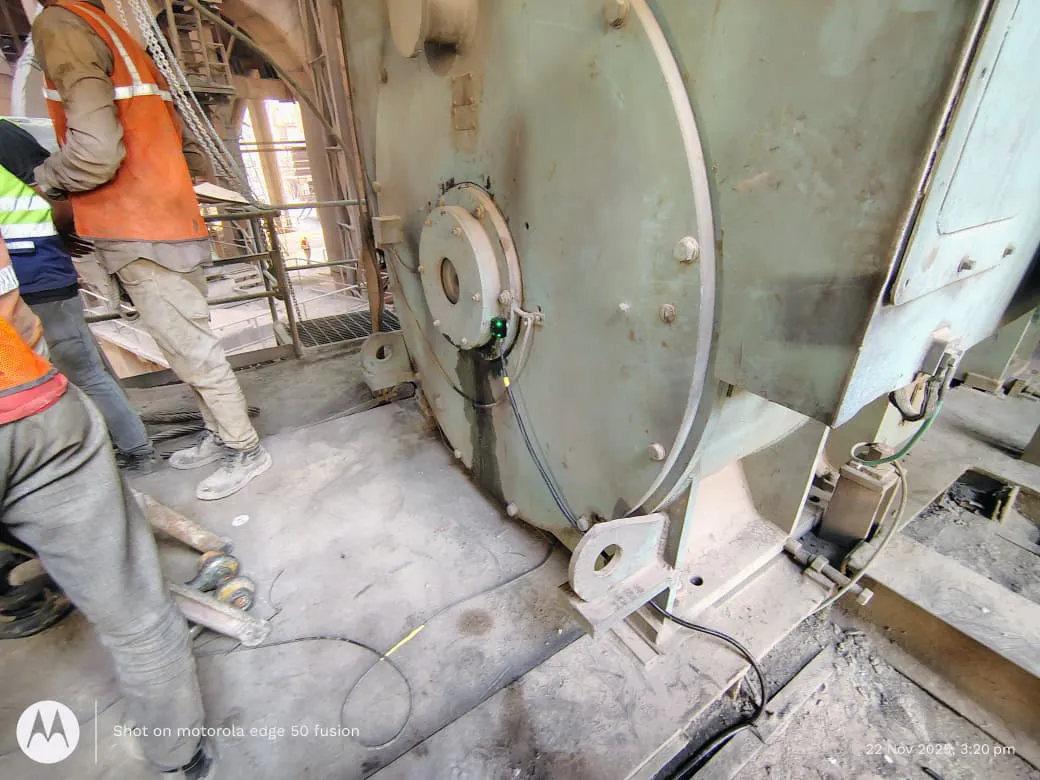
Milling equipment where rotating drums and liners pulverize clinker into fine cement under intense impact from grinding media and heavy axial/radial loads.
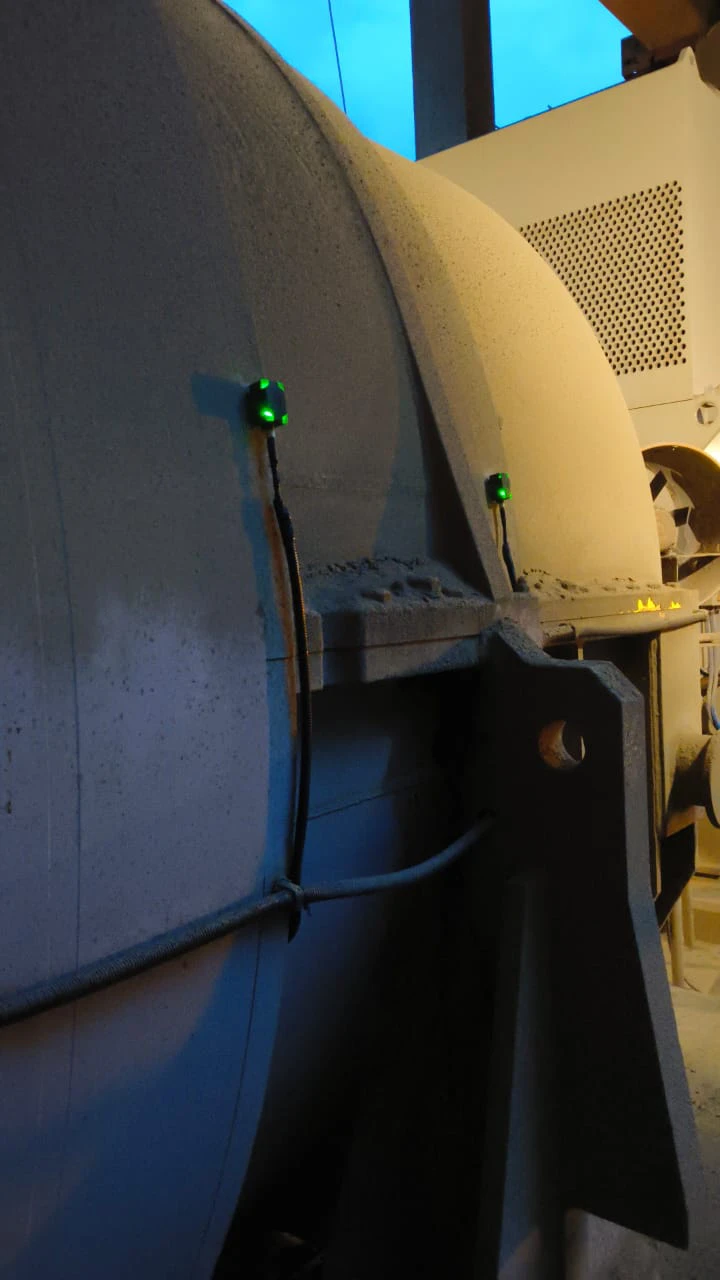
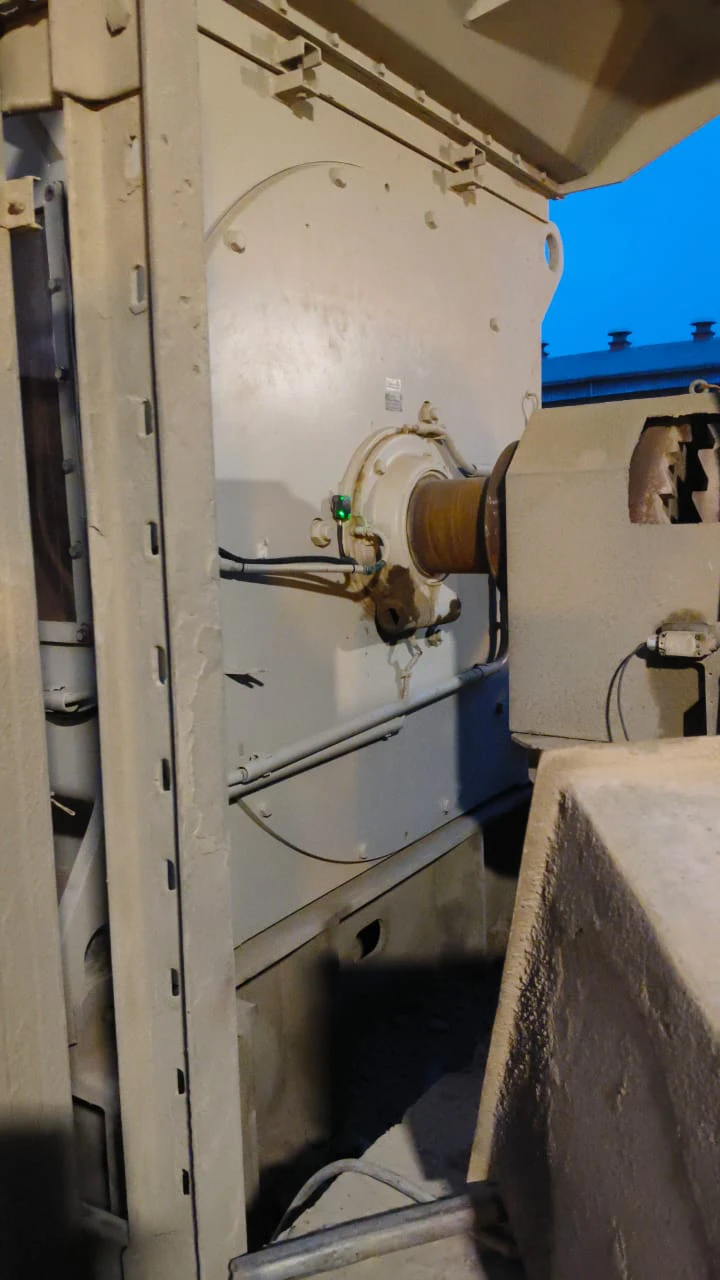
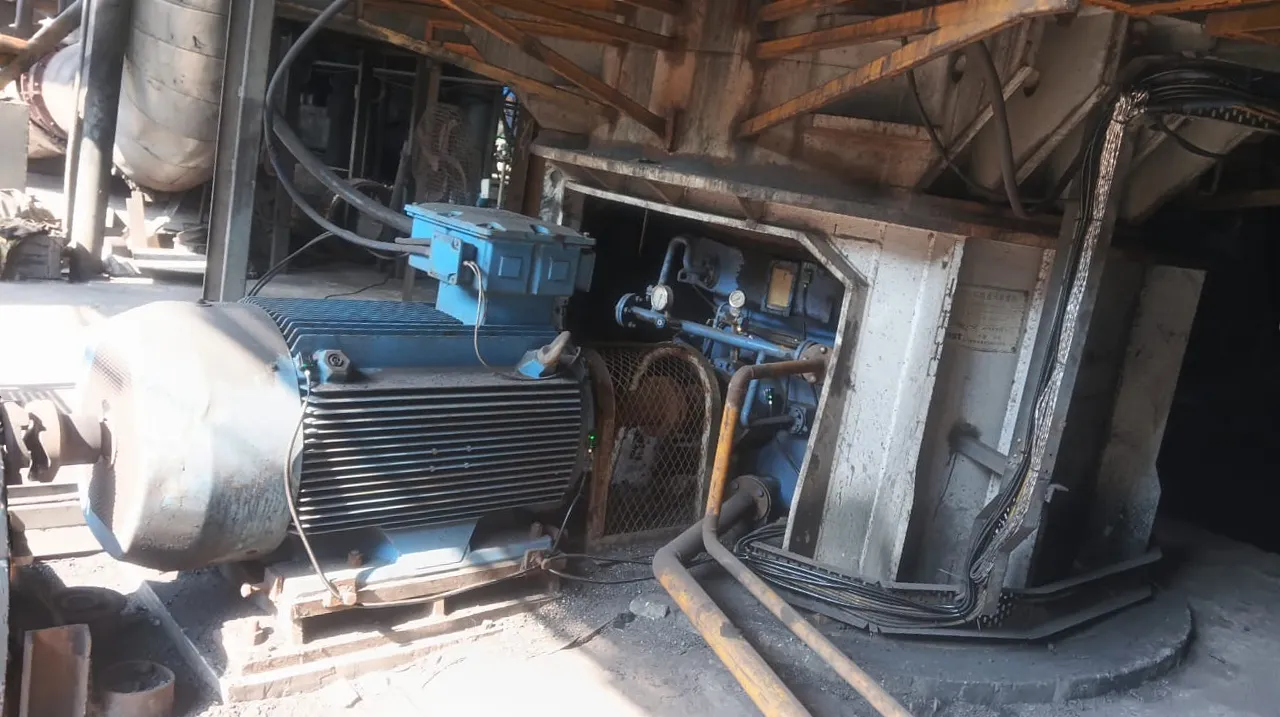
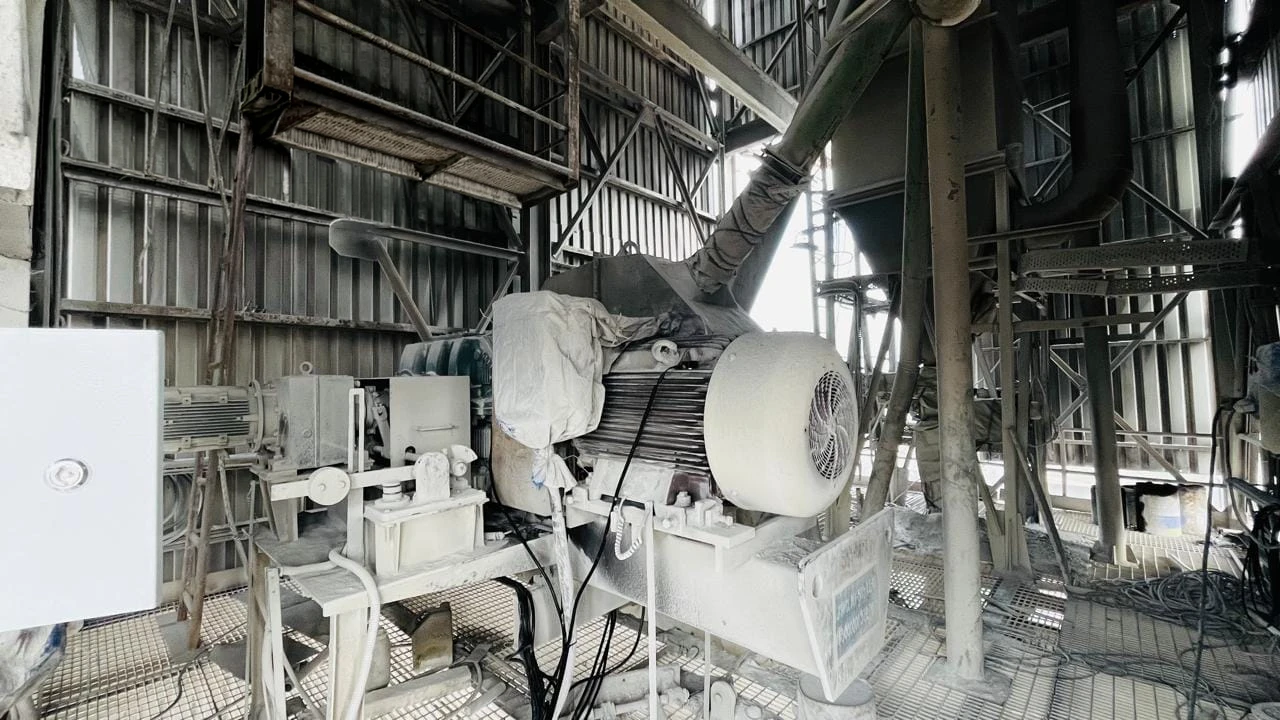
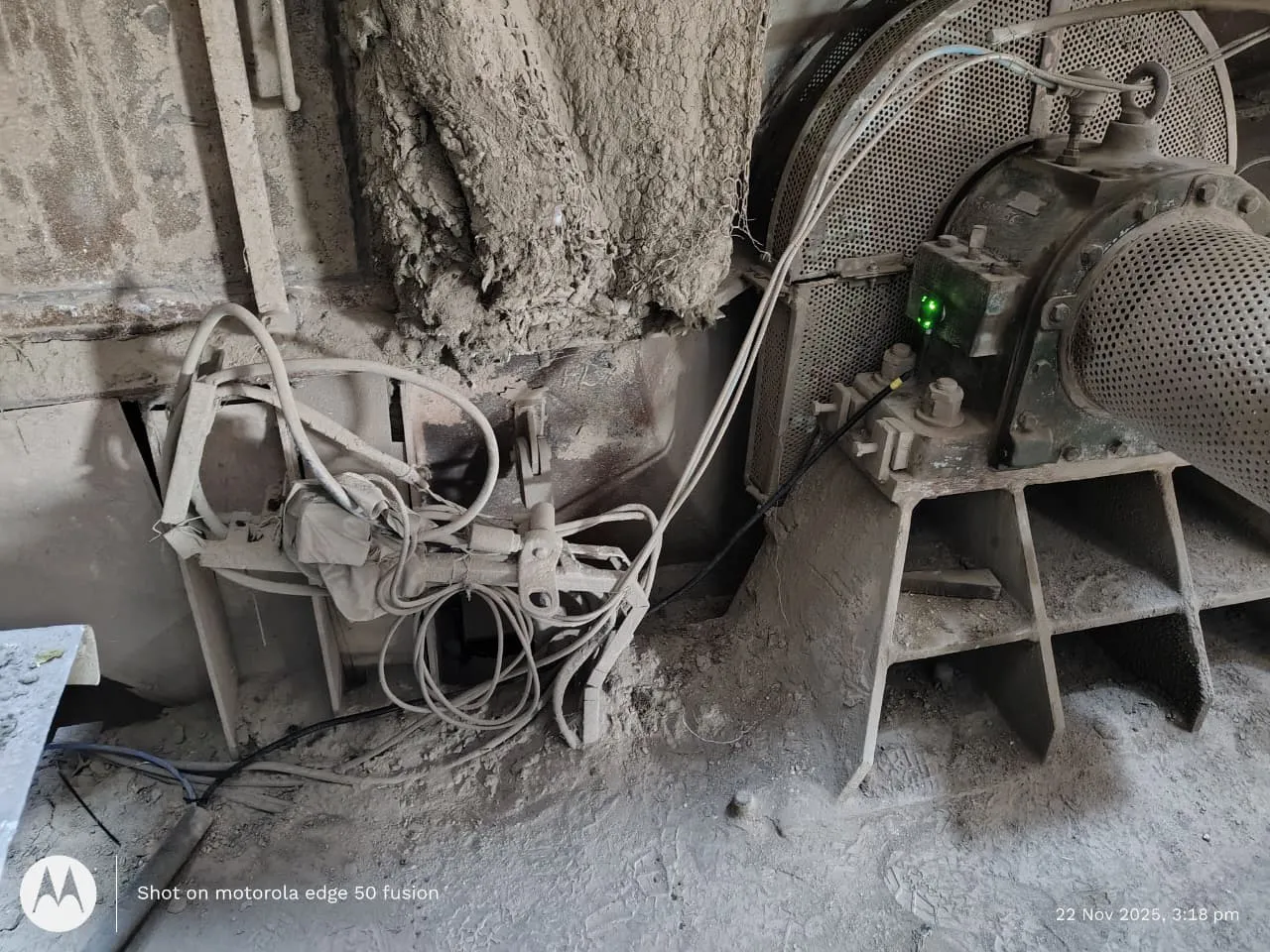
Grinding powerhouse with gearbox, main drive, and separator gearbox handling high loads during hydraulic roller pressure and material feed.
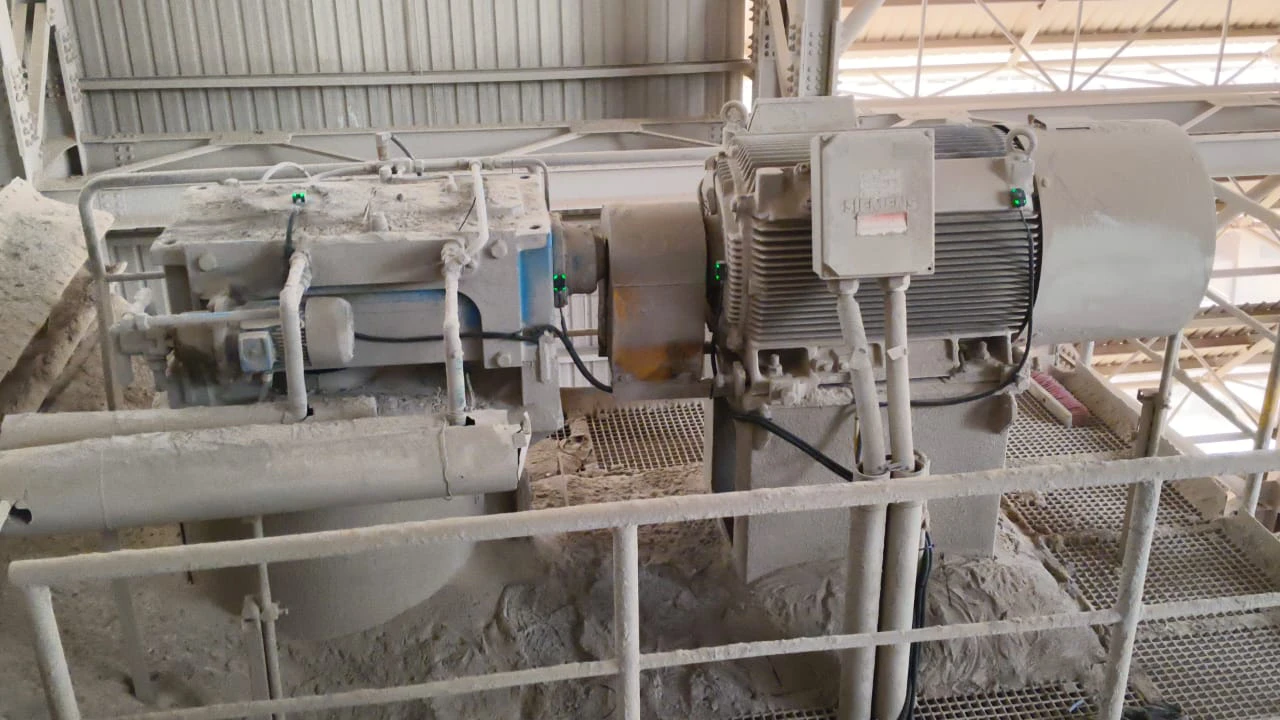
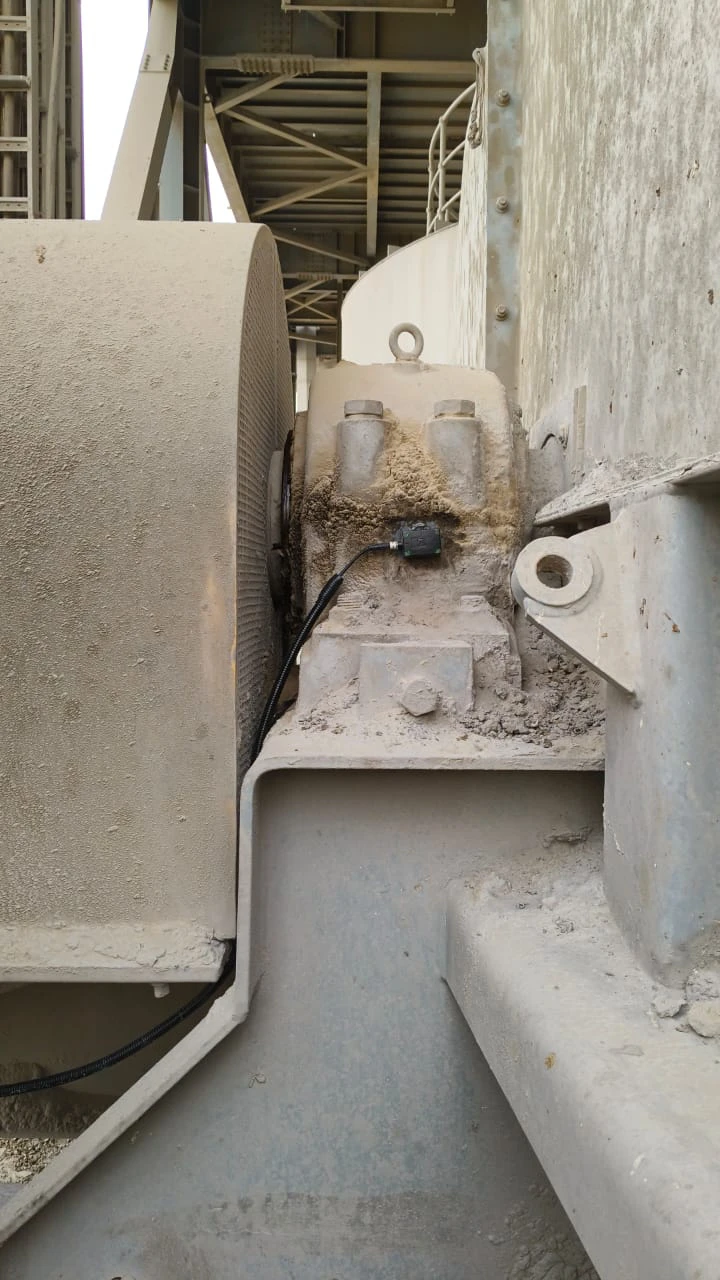
Critical heat recovery towers where hot gases swirl through cyclones, preheating raw meal before the kiln.
Our Customer Speaks

We are not just looking for a tool; we are
seeking a partnership. Our team is no
longer running from one breakdown to the
next. We now start our day with a prioritized
list from the system, telling us which
machine needs attention. The system is
amazing.
Thank you for your interest in
PlantOS™ Prescriptive AI.
Enter your official work email to unlock specs delivering
3 outcomes in 1 prescription — zero guesswork.

The biggest change was the immediate
establishment of a single source of truth.
We moved from reactive chaos to
proactive control.
Thank you for your interest in
PlantOS™ Prescriptive AI.
Enter your official work email to unlock specs delivering
3 outcomes in 1 prescription — zero guesswork.
Let's start with your most critical line.
Tell us the asset and we will show you what PlantOS™ reads on it.
30 minutes, no deck.

| Process area | Assets covered | Mechanical fault signature | Process-induced fault signature | Outcome |
|---|---|---|---|---|
| Raw Grinding | Vertical roller mills, raw mill fans, roller press drives, separator drives | Roller and table bearing wear, gearbox faults, drive misalignment | Feed hardness and moisture variation raising vibration and grinding load | Protects grinding stability and mill throughput |
| Pyroprocessing | Kiln main drives, girth gears and pinions, preheater fans, ID fans | Gear-mesh wear, pinion bearing defects, fan rotor imbalance | Cyclone coating and material build-up shifting balance, thermal load accelerating wear | Prevents kiln and preheater stops that halt clinker flow |
| Clinker Cooling | Cooler fans, clinker cooler drives, grate systems | Fan bearing wear, drive-chain and gearbox faults | Clinker bed temperature and load variation driving fan and drive stress | Protects cooling continuity and clinker quality |
| Cement Grinding | Ball mill main drives, cement mill fans, roller press systems | Girth gear and pinion wear, mill bearing defects, fan imbalance | Feed and separator load variation raising drive torque | Sustains cement mill output and reduces energy waste |
PlantOS™ reads both, across every stage of the line.
What PlantOS™ Prescribes in a Cement Plant
Frequently Asked Questions
Common questions about prescriptive maintenance solutions in cement plants.
01
Why do cement plant failures get missed by conventional condition monitoring?
Because most of them are not purely mechanical. A preheater fan does not fail from bearing wear alone, it fails because cyclone coating and material build-up shift the rotor balance and accelerate that wear. Conventional condition monitoring reads the vibration signature and misses the process condition driving it, so the alert arrives late and without a cause.
02
What is Vertical AI, and how does it differ from generic industrial AI?
Generic industrial AI applies one anomaly model across every asset in every industry. Vertical AI is built for the equipment and process conditions of a single sector. Infinite Uptime's PlantOS™ applies cement-specific failure logic through Dynamic FMEA, so a fault on a kiln girth gear is evaluated against how kiln girth gears actually fail, not against a generic deviation threshold.
03
How does PlantOS™ read process-induced faults as well as mechanical ones?
PlantOS™ analyses vibration, temperature, and process data from the same asset simultaneously, then correlates the two signature types. A gear mesh reading on a kiln main drive is interpreted alongside thermal load and feed conditions, which separates a genuine developing fault from a normal response to a process swing. The prescription names the mechanical fault and the process condition sustaining it.
04
What is the difference between predictive and prescriptive maintenance in cement plants?
Predictive maintenance forecasts that an asset is likely to fail. Prescriptive maintenance states which asset, which fault, which corrective action, and by when. In practice the difference is workload: a predictive alert still needs a reliability engineer to diagnose and decide, whereas a PlantOS™ prescription arrives already diagnosed and ready to convert into a work order. Prediction accuracy is 99.97 percent.
05
Which cement plant assets does PlantOS™ cover?
Coverage spans the assets where mechanical and process faults compound: rotary kilns, kiln main drives, girth gears and pinions, ball mills, vertical roller mills, roller presses, preheater cyclones and preheater fans, clinker cooler fans, raw mill and cement mill fans, bag filter fans, bucket elevators, compressors, and more. These operate under thermal load, abrasive dust, and duty cycles where generic models perform worst.
06
What outcomes can a cement plant expect from PlantOS™?
Three, delivered together: reduced unplanned downtime, higher throughput on the lines carrying output, and lower cost per tonne through fewer emergency interventions, reduced spares consumption, and less energy waste on rotating equipment. Across deployments, PlantOS™ has digitalised 162 plants, prevented 9,131 equipment breakdowns, and eliminated 33,501 hours of unplanned downtime as of June 2026, per the PlantOS™ Digital Reporting System.
07
How does a prescription reach the maintenance team?
Each prescription carries the asset, the fault, the recommended action, and the timeframe, and is delivered to the maintenance team on the dashboard on desktop or mobile for work order creation and digital sign-off. Execution and outcome are logged, and validated outcomes feed back into the models through the 99% Trust Loop.
08
Does PlantOS™ require replacing existing systems or sensors?
No. PlantOS™ integrates with the infrastructure already in the plant, unifying data from PLCs, DCS historians, energy meters, SAP and other ERP systems, MES, CMMS, and QMS logbooks, alongside its own sensors where additional coverage is needed. Prescriptions are delivered into the existing maintenance workflow, so the plant gains process context on its critical assets without a rip and replace programme.
09
How long does deployment take in a cement plant?
First prescription is typically delivered within two weeks of installation. Deployment usually begins on a single critical line, often the kiln or the raw mill, and scales plant-wide once outcomes are validated by the plant's own reliability team.
10
What sensors survive kiln, mill, and preheater conditions?
PlantOS™ hardware is rated for surface temperatures up to 150 °C and operation down to 2 rpm, and is CE, RoHS, ATEX, and IP68 certified for the dust, heat, and hazardous-area conditions found around kilns, mills, and preheater towers.
11
Which cement companies use Vertical AI for maintenance?
Star Cement and Southern Province Cement Company (SPCC) are among the producers using PlantOS™. Star Cement achieved 10x ROI in under six months across four plants, saving 46 hours of downtime and gaining 10 TPH of throughput. SPCC achieved 9x ROI in under six months with $175,105 in annual maintenance savings.