
Vertical AI for Chemical and Fertilizer Plants
Outcomes Delivered
Prescriptive AI for Chemical & Fertilizer plants turns equipment and process data into a single actionable work order. A predictive alert tells a plant operator that a reactor motor is trending toward failure, and leaves the diagnosis to them. A PlantOS™ prescription tells them the fault, the fix, and the business outcomes – and arrives ready to convert into a work order. In a Chemical & Fertilizer plant, that difference shows up on pumps, compressors, agitators, reactors: less unplanned downtime, more throughput, and lower cconversion cost per batch.
The PlantOS™ Difference
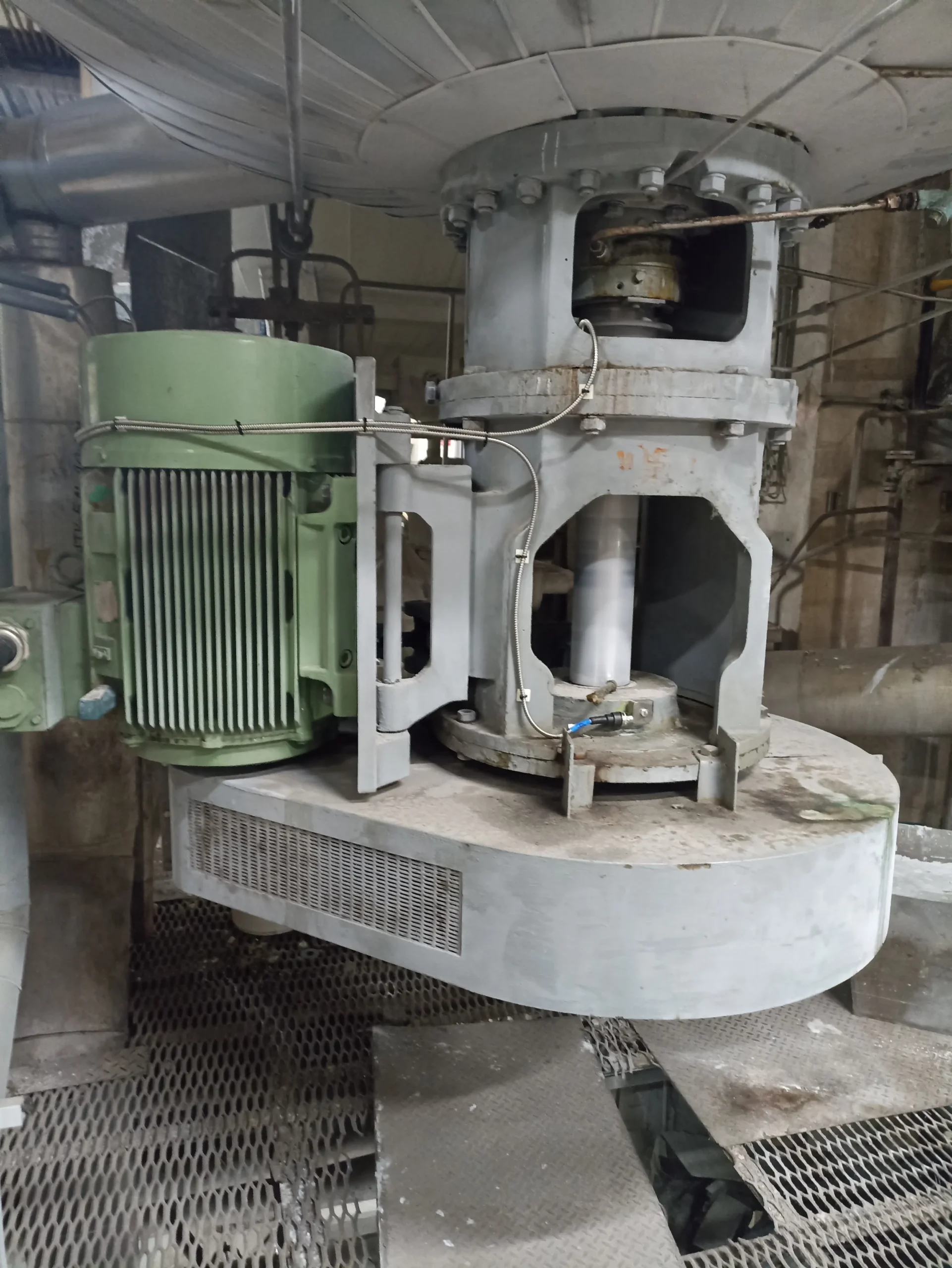
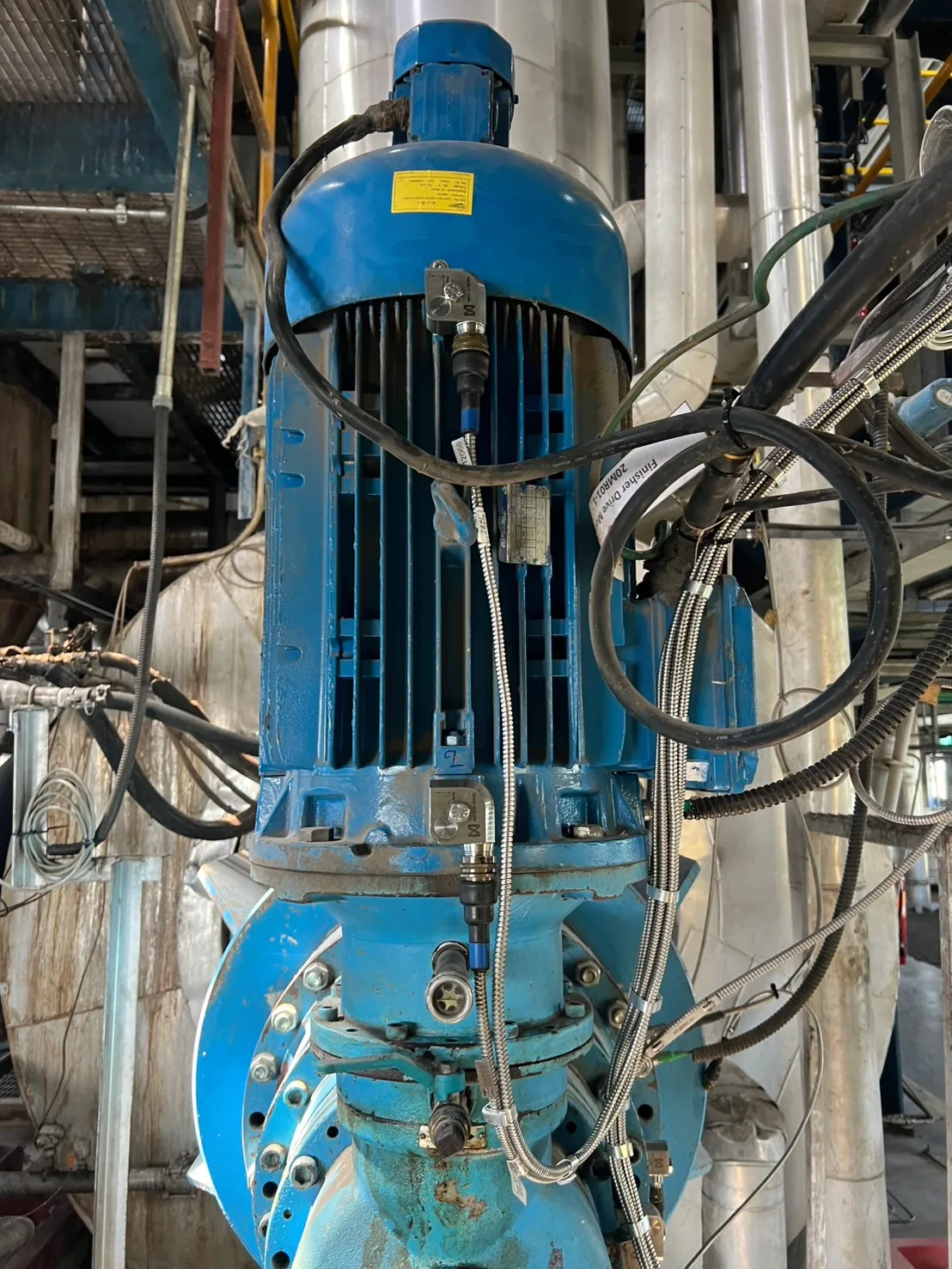
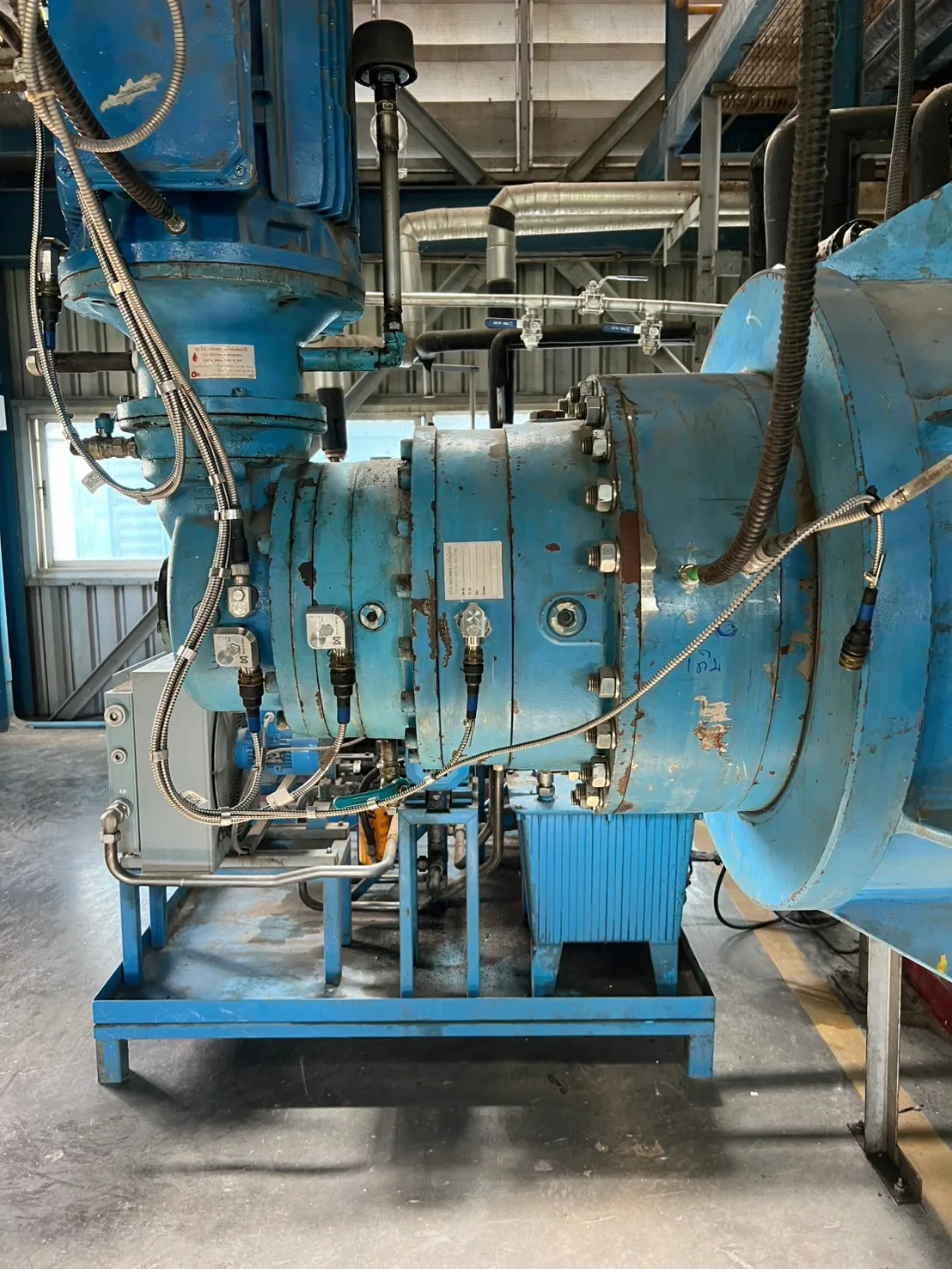
PlantOS™ goes beyond condition monitoring. It reads mechanical and process-induced fault signatures
on the same critical asset, then prescribes the specific intervention, at the specific time.
Our Customer Speaks

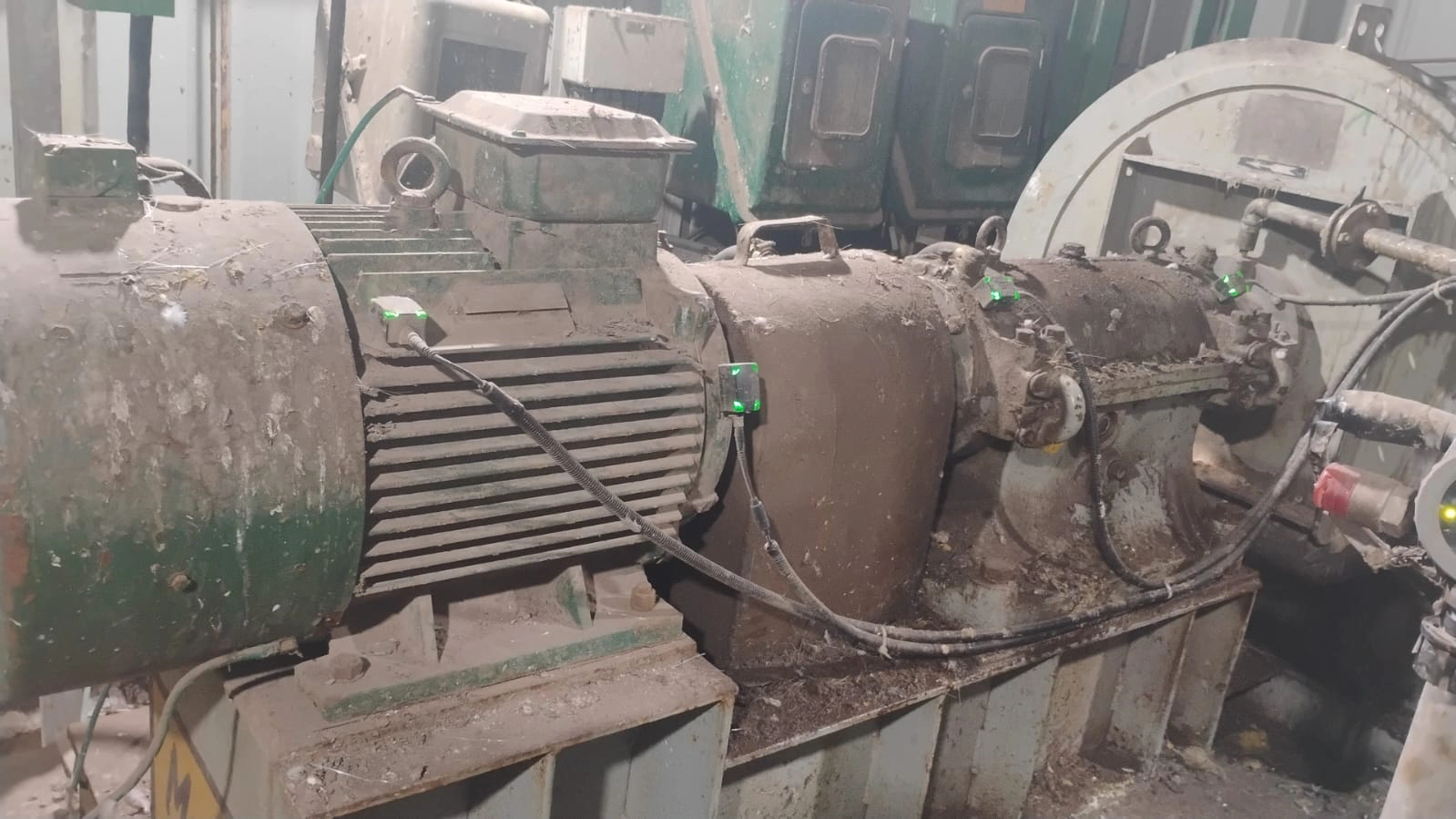
Infinite Uptime has improved our plant reliability and helped us avoid surprise breakdowns. I truly value the real-time
alerts—they draw our attention to changes instantly, allowing us to act early and plan maintenance systematically. This has made
a real difference for us
Thank you for your interest in
PlantOS™ Prescriptive AI.
Enter your official work email to unlock specs delivering
3 outcomes in 1 prescription — zero guesswork.

Collaboration is the way to grow
together. You can’t have all the
capabilities to build by yourself— no need. Leveraging expertise
from outside, like Infinite Uptime for prescriptive maintenance and AI-driven reliability, and develop only what’s truly required without escalating maintenance costs.
Thank you for your interest in
PlantOS™ Prescriptive AI.
Enter your official work email to unlock specs delivering
3 outcomes in 1 prescription — zero guesswork.
Let's start with your most critical line.
Prove the outcome on one asset, then scale across the plant.
| Process area | Assets covered | Mechanical fault signature | Process-induced fault signature | Outcome |
|---|---|---|---|---|
| Reaction | Agitator drive (motor, gearbox, mechanical seal) | Gearbox bearing and gear tooth wear, shaft eccentricity, seal face wear, coupling misalignment | Unbalanced hydraulic load from viscosity and charge variation, solids settling and crust build-up on blades, blade erosion, dry running at low level | Protects mixing uniformity, so reaction selectivity and batch yield hold. Avoids mid-batch abort and loss of full charge value |
| Reaction | Reactor circulation pump (centrifugal) | Mechanical seal wear, impeller erosion, bearing degradation | Cavitation and corrosion from feed concentration and temperature swing | Protects reaction continuity, avoids unplanned batch loss |
| Transfer and feed | Centrifugal process pumps (feed, transfer, recycle) | Bearing wear, seal face wear, wear ring clearance loss, misalignment | Cavitation from NPSH loss, off-BEP running on throttled flow, crystallisation and solids build-up in the casing | Sustains charge and transfer rates so reactor cycle time holds. Avoids silent derate across the block |
| Ammonia / Fertilizer | Synthesis gas compressor | Rotor imbalance, bearing wear | Surge and fouling from process gas composition variation | Prevents compressor trip and ammonia train backup |
PlantOS™ reads both.
What PlantOS™ Prescribes in a Chemical Plant
Frequently Asked Questions
Common questions about prescriptive maintenance solutions in chemical and fertilizer operations.
01
Why do chemical plant failures get missed by conventional condition monitoring?
Because most of them are not purely mechanical. A process pump does not fail from seal wear alone, it fails because a change in feed concentration or temperature drives corrosion and cavitation that accelerate that wear. Conventional condition monitoring reads the vibration signature and misses the process condition driving it, so the alert arrives late and without a cause.
02
What is Vertical AI, and how does it differ from generic industrial AI?
Generic industrial AI applies one anomaly model across every asset in every industry. Vertical AI is built for the equipment and process conditions of a single sector. Infinite Uptime's PlantOS™ applies chemicals-specific failure logic through Dynamic FMEA, so a fault on a synthesis gas compressor is evaluated against how those compressors actually fail under process gas variation, not against a generic deviation threshold.
03
How does PlantOS™ read process-induced faults as well as mechanical ones?
PlantOS™ analyses vibration, temperature, pressure, and process data from the same asset simultaneously, then correlates the two signature types. A rising vibration reading on a reactor circulation pump is interpreted alongside feed concentration and temperature, which separates a genuine developing fault from a normal response to a process swing. The prescription names the mechanical fault and the process condition sustaining it.
04
What is the difference between predictive and prescriptive maintenance in chemical
plants?
Predictive maintenance forecasts that an asset is likely to fail. Prescriptive maintenance states which asset, which fault, which corrective action, and by when. In practice the difference is workload: a predictive alert still needs a reliability engineer to diagnose and decide, whereas a PlantOS™ prescription arrives already diagnosed and ready to convert into a work order. Prediction accuracy is 99.97 percent.
05
Which chemical and fertilizer plant assets does PlantOS™ cover?
Coverage spans the assets where mechanical and process faults compound: centrifugal and process pumps, reciprocating and centrifugal compressors, synthesis gas and CO₂ compressors, reactor agitators, vacuum pumps, boiler feed pumps, cooling water pumps, and ID and FD fans. These operate under corrosion, thermal load, and pressure conditions where generic models perform worst.
06
What outcomes can a chemical plant expect from PlantOS™?
Three, delivered together: reduced unplanned downtime, higher throughput on the trains carrying output, and lower cost per tonne through fewer emergency interventions, reduced spares consumption, and less energy waste on rotating equipment. Across deployments, PlantOS™ has digitalised 55 plants, prevented 2,462 equipment breakdowns, and eliminated 6,128 hours of unplanned downtime as of June 2026, per the PlantOS™ Digital Reporting System.
07
How does a prescription reach the maintenance team?
Each prescription carries the asset, the fault, the recommended action, and the timeframe, and is delivered to the maintenance team on mobile for work order creation and digital sign-off. Execution and outcome are logged, and validated outcomes feed back into the models through the 99% Trust Loop.
08
Does PlantOS™ require replacing existing systems or sensors?
No. PlantOS™ integrates with the infrastructure already in the plant, unifying data from PLCs, DCS historians, and installed sensors alongside its own hardware where additional coverage is needed. Prescriptions are delivered into the existing maintenance workflow, so the plant gains process context on its critical assets without a rip and replace programme.
09
How does PlantOS™ support safety and compliance in chemical plants?
By reducing unplanned equipment trips, PlantOS™ reduces the process upsets and emergency shutdowns that carry the highest safety and regulatory exposure. Prescriptions are validated by domain experts before reaching the plant floor, and every action is logged with a digital audit trail, which supports compliance reporting. The hardware is ATEX and IP68 certified for hazardous and corrosive areas.
10
Which chemical companies use PlantOS™ Vertical AI for maintenance?
Coromandel International and Indorama Ventures are among the producers using PlantOS™ for prescriptive maintenance and reliability. Coromandel uses PlantOS™ real-time alerts across its plants to plan maintenance and avoid surprise breakdowns.