Prescriptive AI for Tire & Rubber Plants
Outcomes Delivered
Prescriptive AI for Tire & Rubber plants turns equipment and process data into a single actionable work order. A predictive alert tells a plant operator that a Banbury mixer gearbox is trending toward failure, and leaves the diagnosis to them. A PlantOS™ prescription tells them the fault, the fix, and the business outcomes – and arrives ready to convert into a work order. In a Tire & Rubber plant, that difference shows up on Banbury Mixers, Extruders, Calenders, Curing Presses: less unplanned downtime, more throughput, and lower cost/ton per asset.
Beyond Predictive:
Why Tire & Rubber Plants Needs Prescriptive AI
Prescriptive AI is the output: the fault, the fix, and business outcomes. Vertical AI is the failure logic behind it, so a reading on an extruder motor
is judged against how extruder motor fails, not against a generic deviation threshold. Most Tire & Rubber Plants failures are not purely mechanical.
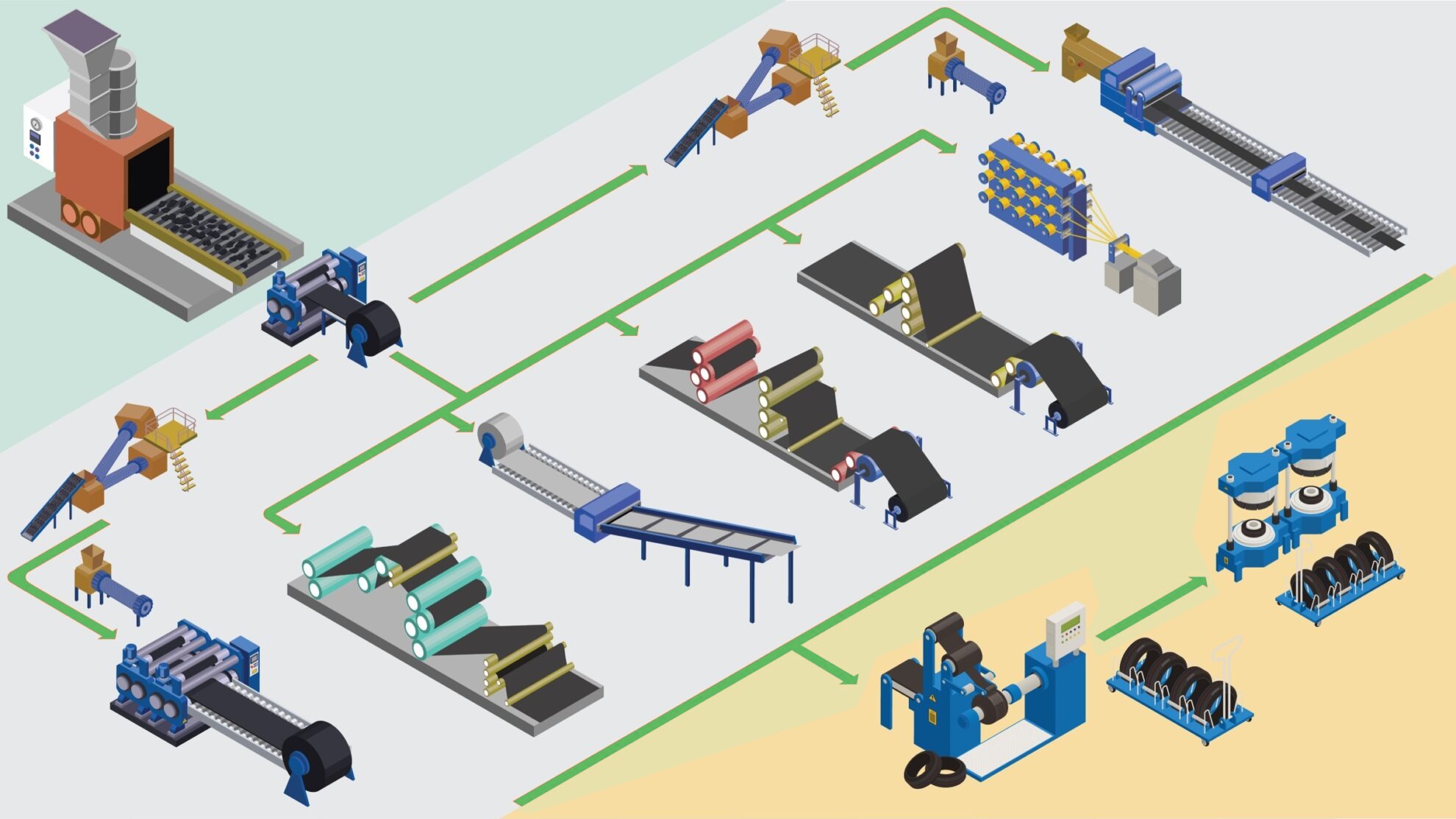
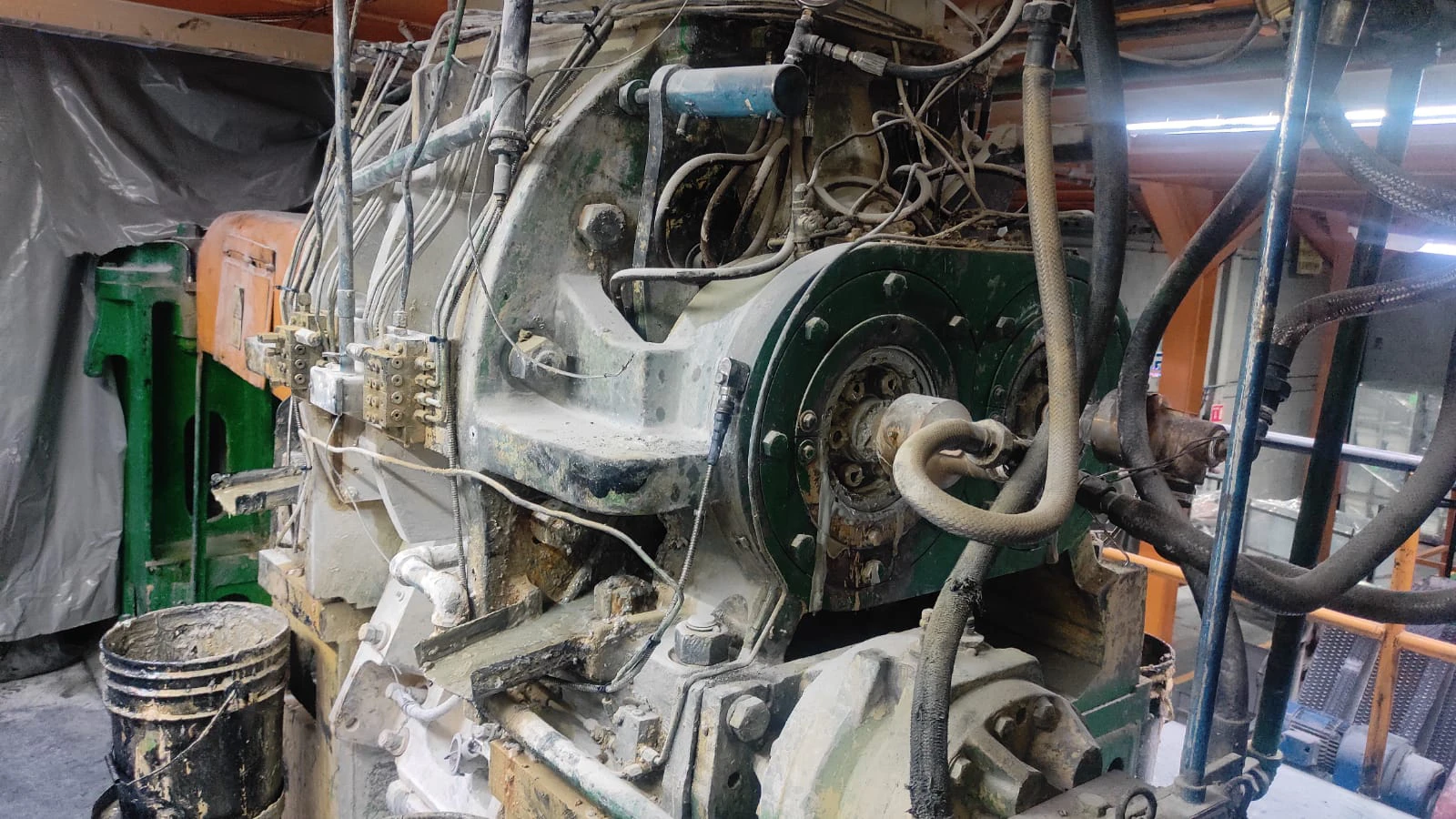
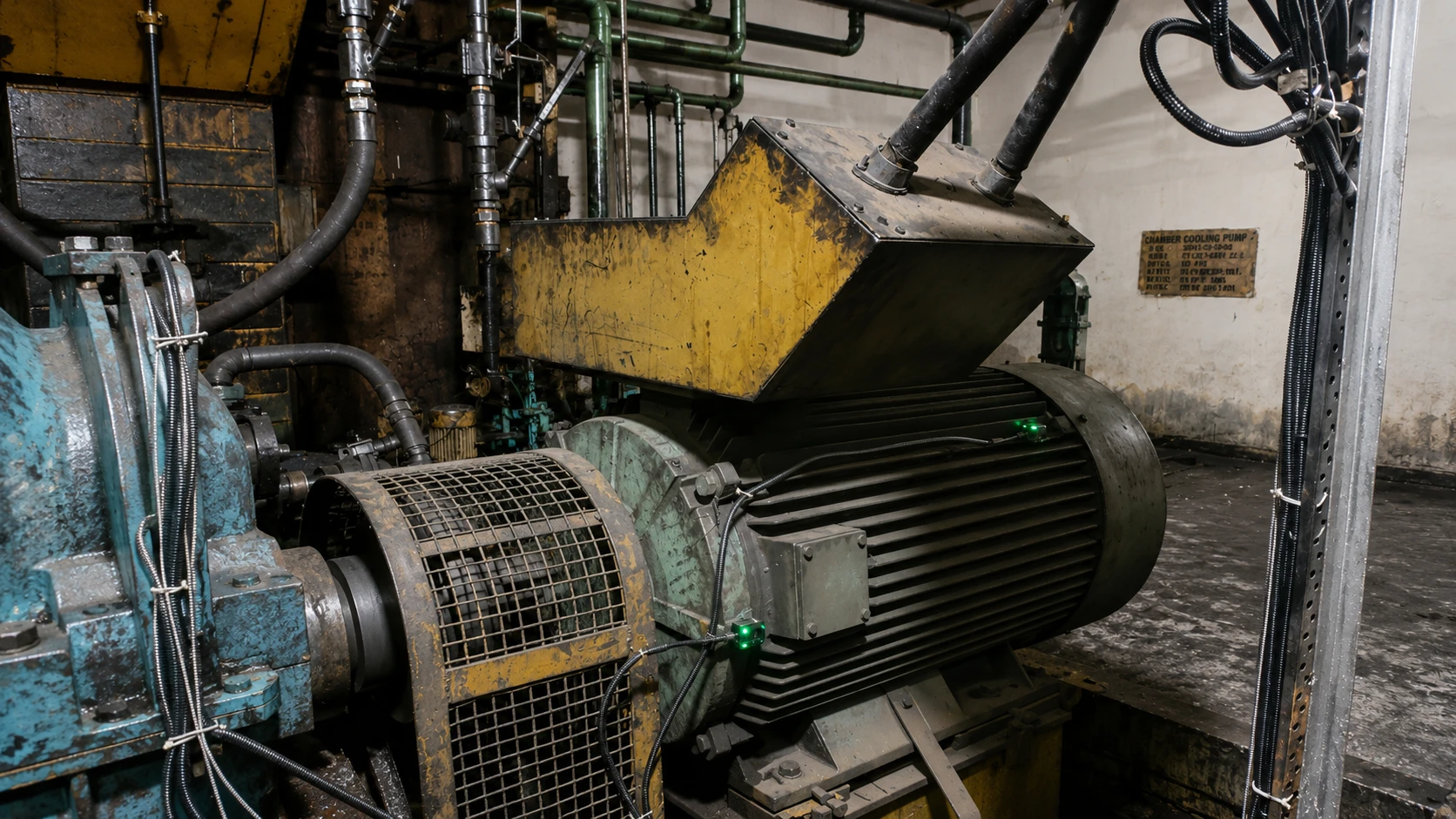
Banbury Mixer
Master Mixer
TSS Screw
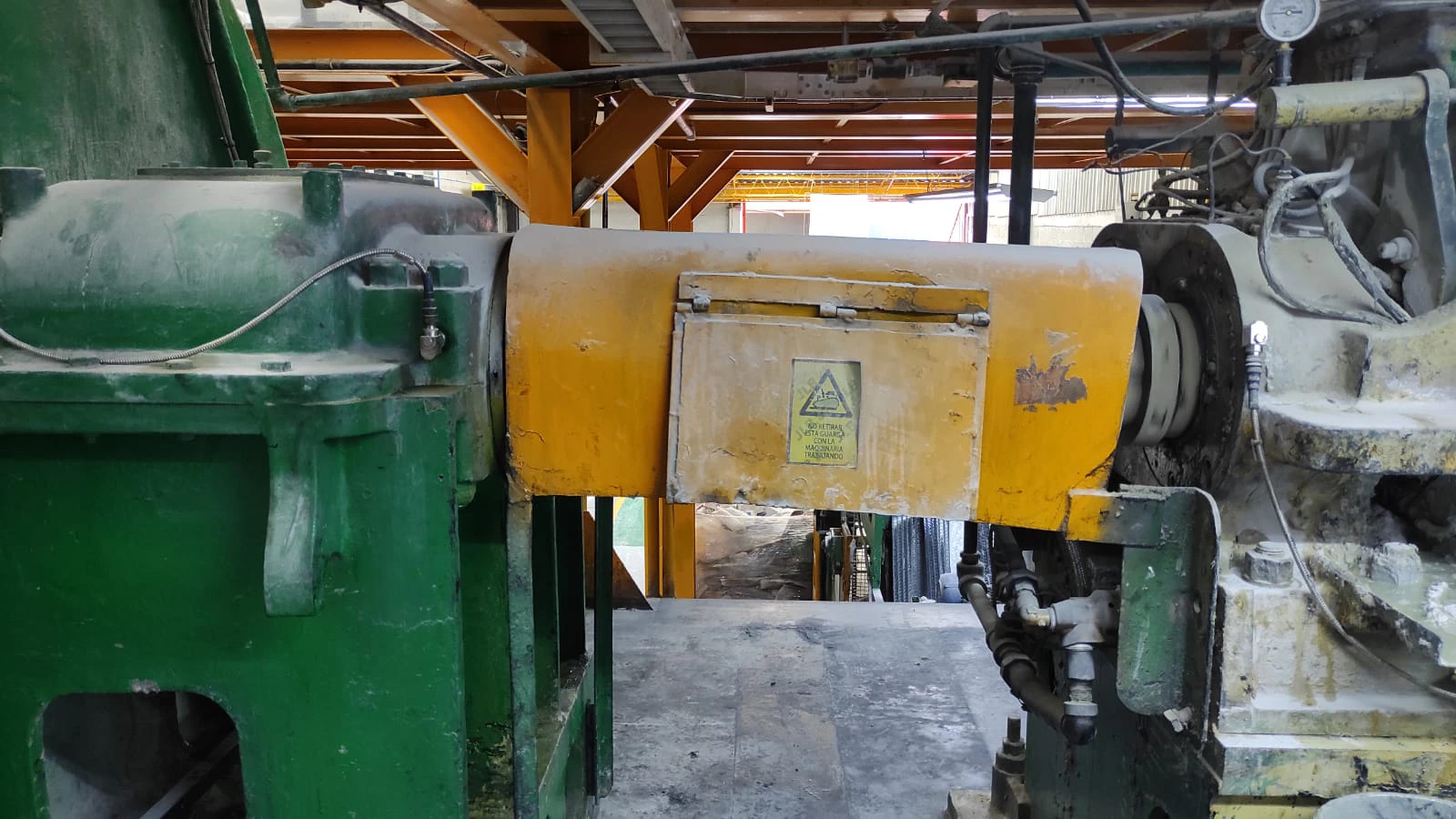
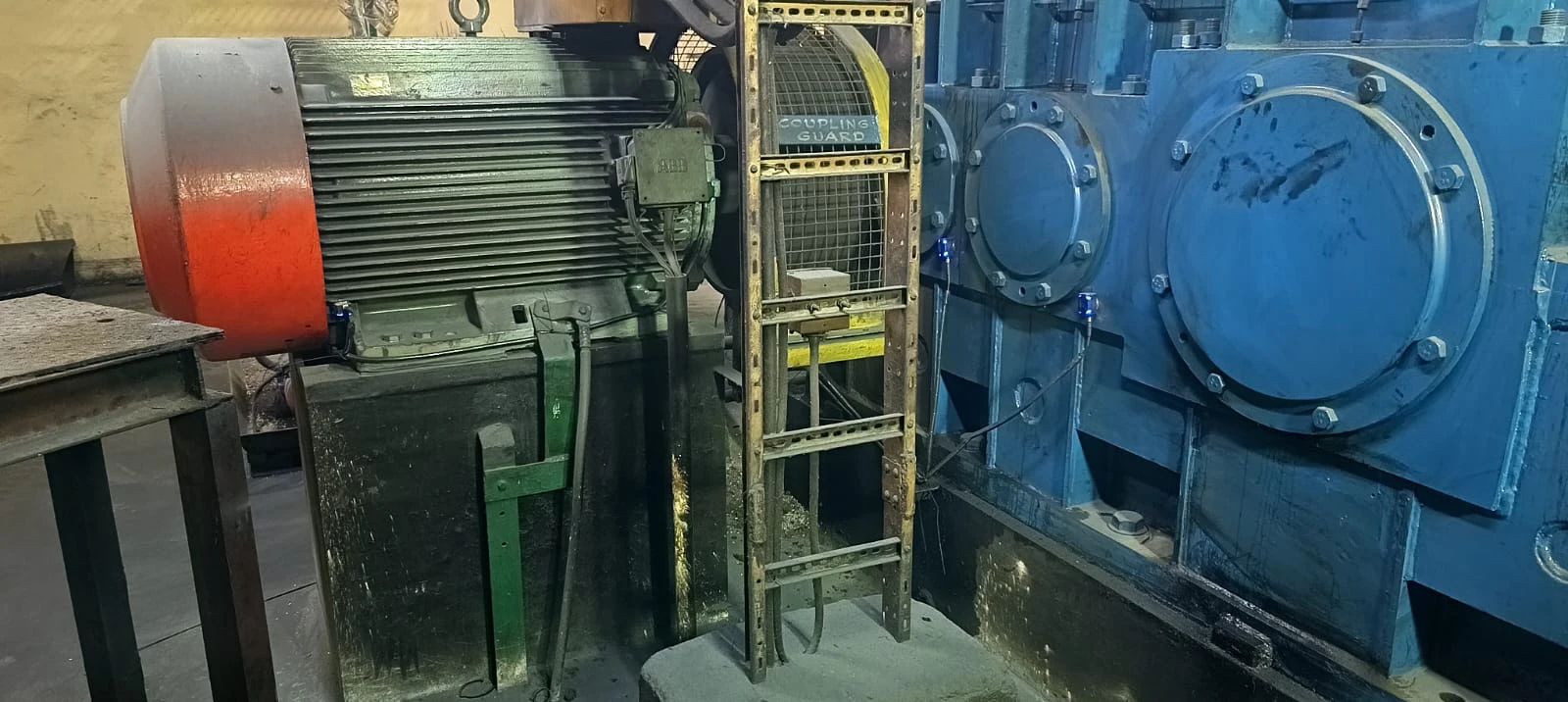
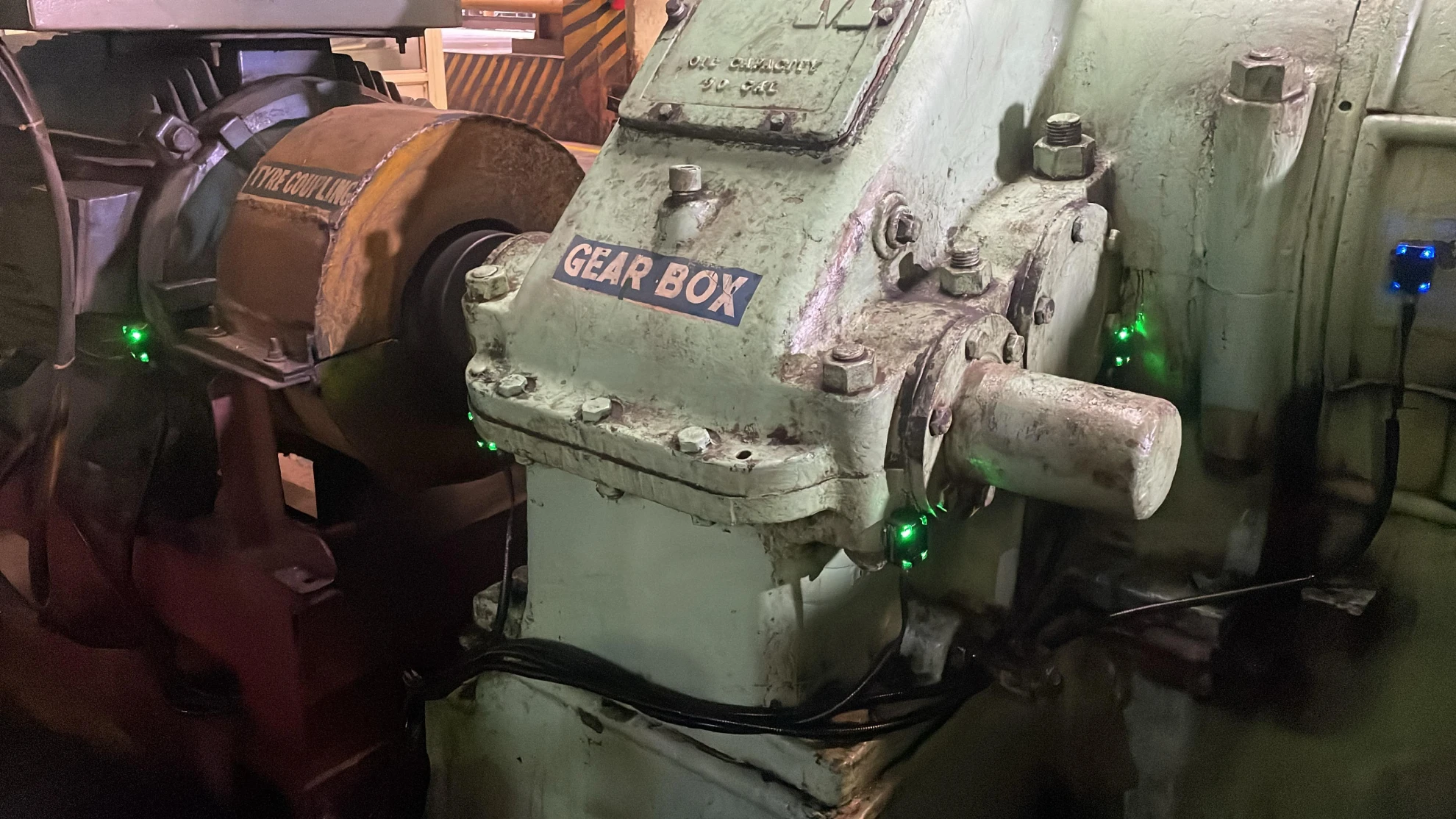
TSS Calender gearbox
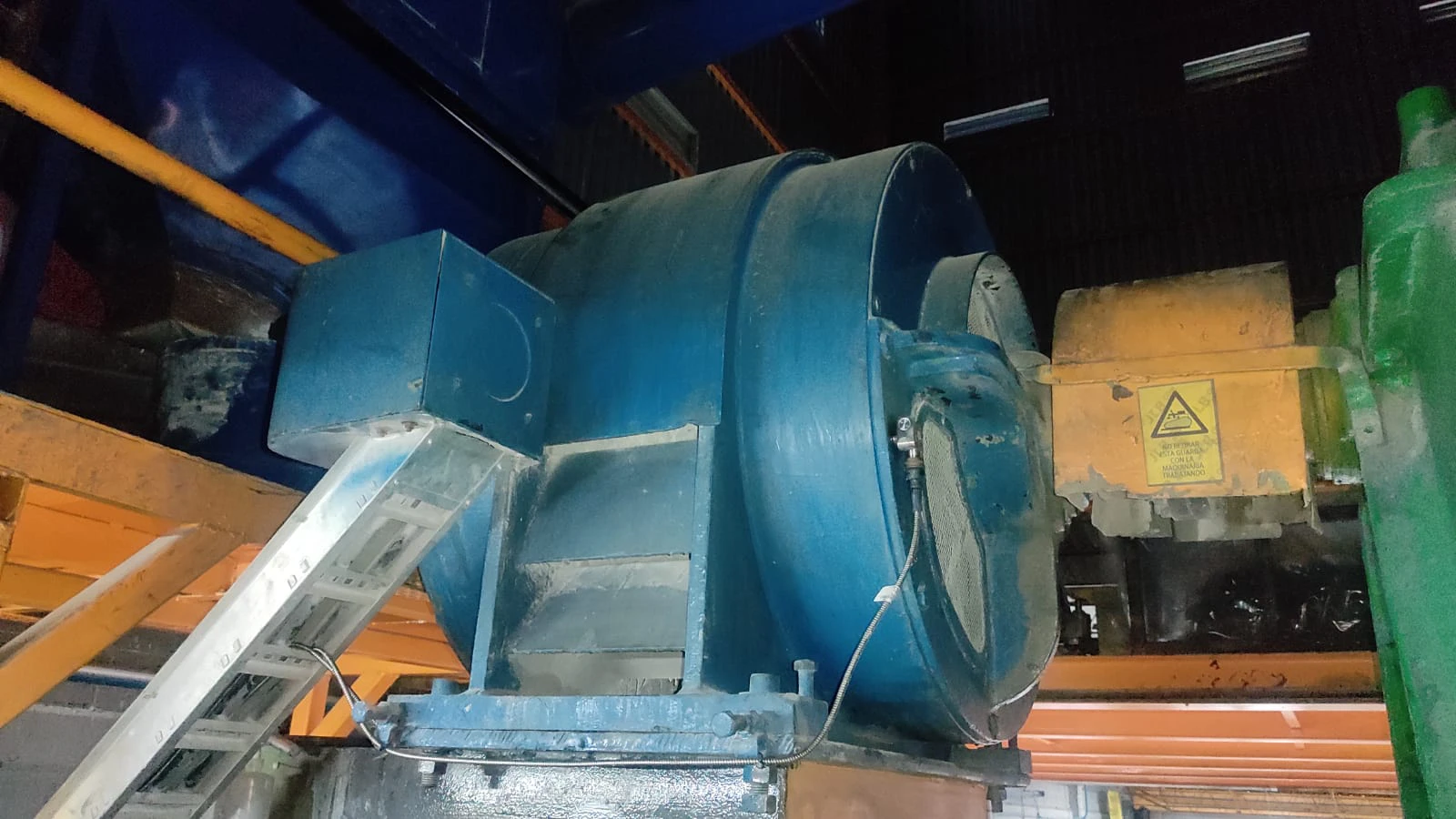
Dust Collecting Blower
Milling Section
Hold Mill
Feed Mill
Cracker Mill
Extruder
Duplex Extruder
Triplex Extruder
Quadraplex Extruder
Cushion Feed Extruder
Pork chop Extruder
Belt Extruder
Bead Construction
Bead Apex Extruder
Thread Applicator
Strip Winding Extruder
Inner Liner Calendering
Inner liner extruder
Inner Liner Roll
Fabric Cord Calendering
Pork chop Extruder
Calendar Hold Mill
Calendar Feed Mill
Calendar Rolls (4 roll section)
Cushion Calendar
Steel Belt Calendering
Steel Belt Cutting
Fabric Ply Cutting
Tyre Building
Curing & Inspection
01
Banbury Mixer
- Master Mixer
- TSS Screw
- TSS Calender gearbox
- Dust Collecting Blower
02
Milling Section
- Hold Mill
- Feed Mil
- Cracker Mill
03
Extruder
- Duplex Extruder
- Triplex Extruder
- Quadraplex Extruder
- Cushion Feed Extruder
- Pork chop Extruder
- Belt Extruder
04
Bead Construction
- Bead Apex Extruder
- Thread Applicator
- Strip Winding Extruder
05
Inner Liner Calendering
- Inner liner extruder
- Inner Liner Roll
06
Fabric Cord Calendering
- Pork chop Extruder
- Calendar Hold Mill
- Calendar Feed Mill
- Calendar Rolls (4 roll section)
- Cushion Calendar
07
Steel Belt Calendering
Proceed to next process step.
08
Steel Belt Cutting
Proceed to next process step.
09
Fabric Ply Cutting
Proceed to next process step.
10
Tyre Building
Proceed to next process step.
11
Curing & Inspection
Final inspection and completion.
Three outcomes follow: less downtime, more throughput, lower cost per tonne.
The PlantOS™ Difference
PlantOS™ goes beyond condition monitoring. It reads mechanical and process-induced fault signatures
on the same critical asset, then prescribes the specific intervention, at the specific time
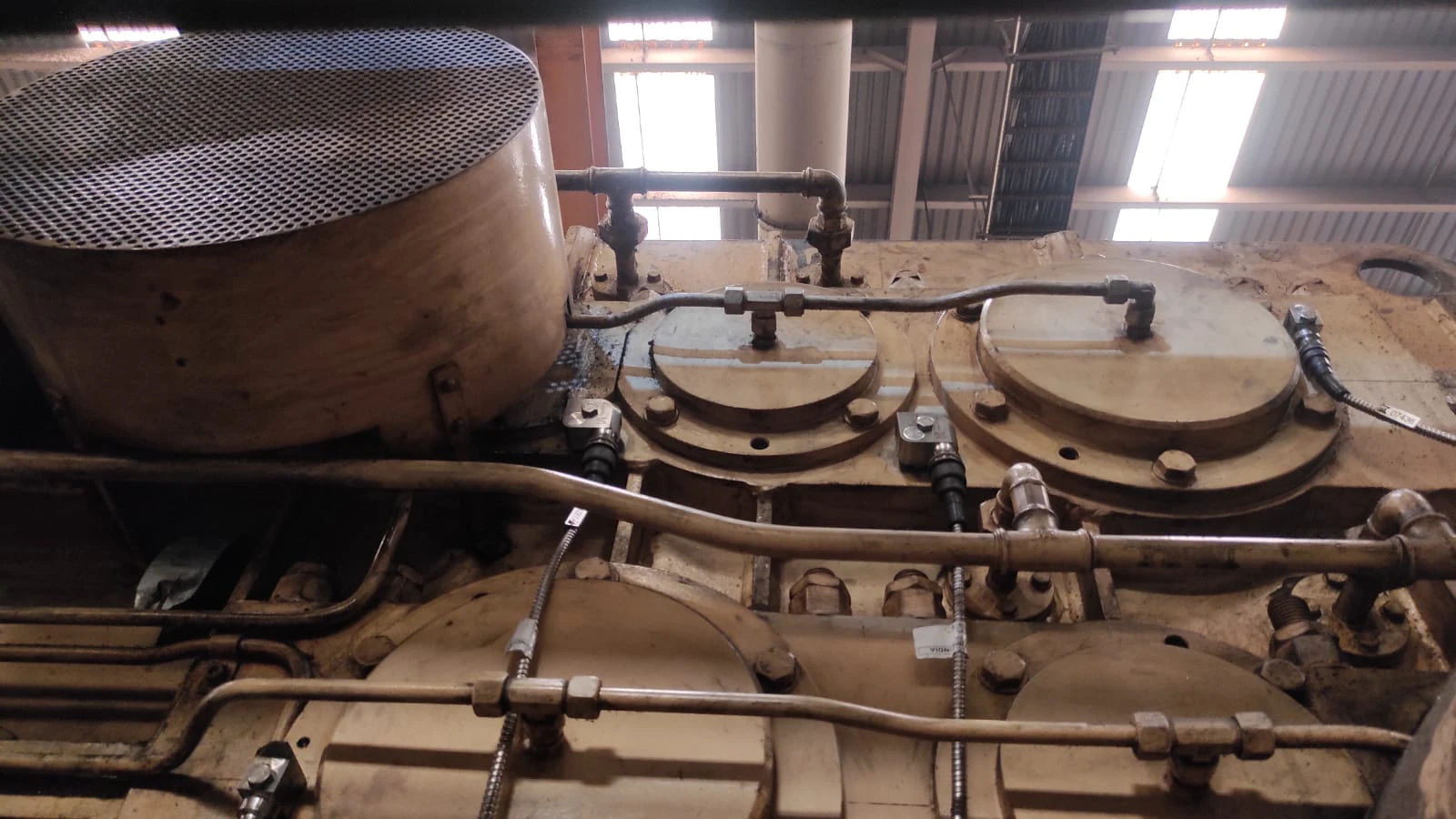
Our Customer Speaks

Thank you for your interest in
PlantOS™ Prescriptive AI.
Enter your official work email to unlock specs delivering
3 outcomes in 1 prescription — zero guesswork.

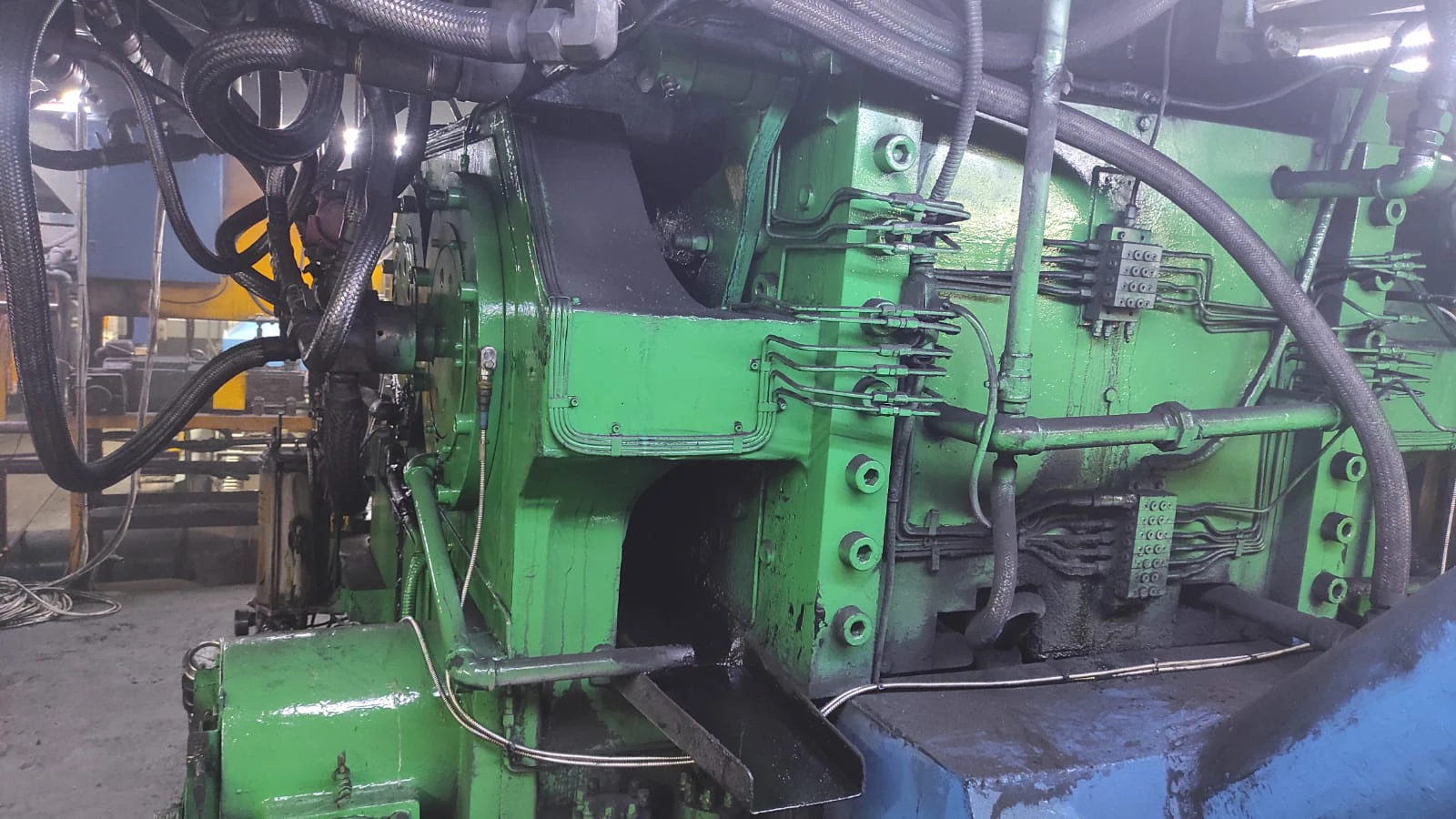
Mr. Carlos GuzmanBanbury Mixers Area Maintenance
Supervisor, Tornel, Mexico
Thank you for your interest in
PlantOS™ Prescriptive AI.
Enter your official work email to unlock specs delivering
3 outcomes in 1 prescription — zero guesswork.
Let's start with your most critical line.
Tell us the asset and we will show you what PlantOS™ reads on it.
30 minutes, no deck.

| Process area | Asset | Mechanical fault signature | Process-induced fault signature | Outcome |
|---|---|---|---|---|
| Mixing | Banbury mixers, drop and feed mills, mixer drives | Rotor and gearbox bearing wear, drive misalignment, gear-mesh defects | Compound viscosity and thermal load raising drive torque and accelerating wear | Protects mix consistency and prevents scrapped batches |
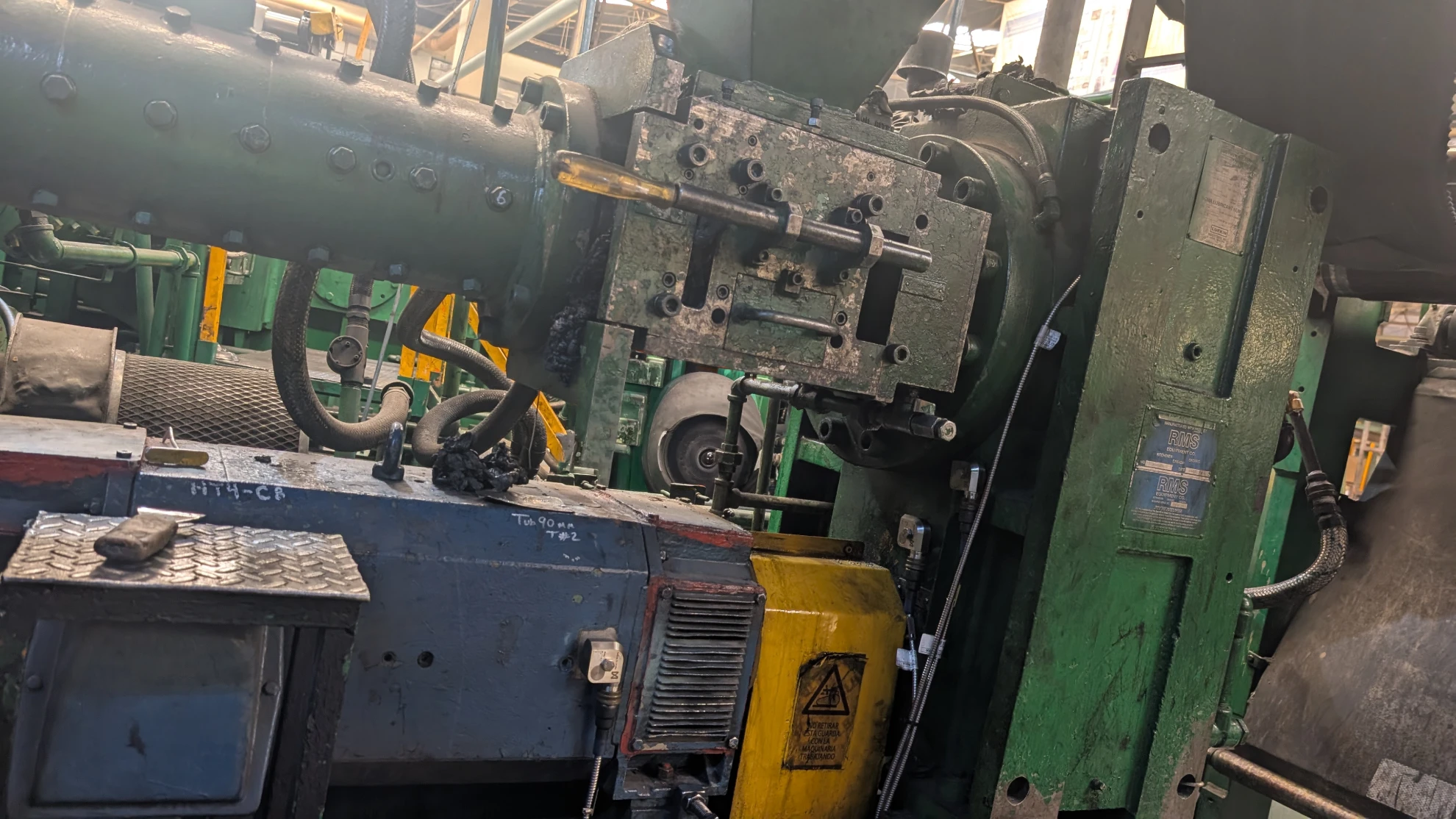
| Extrusion | Duplex, triplex, and quadruplex extruders, tread and profile screw drives | Screw and barrel wear, gearbox faults, coupling looseness | Compound temperature and viscosity variation raising back-pressure against worn components | Reduces profile defects and extrusion scrap |
| Calendering | Roller head extruders, calender roll stacks, inner liner and multi-roll lines | Roll bearing wear, gear-mesh backlash, gearbox thermal rise | Gauge and tension drift, plus lubrication and cooling shortfall under sustained load | Protects sheet gauge and ply quality, avoids unplanned line stops |
| Curing | Curing presses, hydraulic systems, bladder and press mechanisms | Pump and valve wear, cylinder seal leakage, press mechanism wear | Cure recipe pressure and temperature drift compounding hydraulic loss | Prevents cure defects and press stoppage |
driving it are usually the same event seen twice. PlantOS™ reads both.
What PlantOS™ Prescribes in a Tire Plant
Frequently Asked Questions
Common questions about prescriptive maintenance solutions in tire plants.
01
Why do tire plant failures get missed by conventional condition monitoring?
Because most of them are not purely mechanical. A Banbury mixer does not fail from bearing wear alone, it fails because compound viscosity and thermal load raise drive torque and accelerate that wear. Conventional condition monitoring reads the vibration signature and misses the process condition driving it, so the alert arrives late and without a cause.
02
What is Vertical AI, and how does it differ from generic industrial AI?
Generic industrial AI applies one anomaly model across every asset in every industry. Vertical AI is built for the equipment and process conditions of a single sector. Infinite Uptime’s PlantOS™ applies tire-specific failure logic through Dynamic FMEA, so a fault on a Banbury mixer drive is evaluated against how those drives actually fail under thermal and compound load, not against a generic deviation threshold.
03
How does PlantOS™ read process-induced faults as well as mechanical ones?
PlantOS™ analyses vibration, temperature, load, and process data from the same asset simultaneously, then correlates the two signature types. A rising drive-torque reading on a mixer is interpreted alongside compound temperature and batch conditions, which separates a genuine developing fault from a normal response to a process change. The prescription names the mechanical fault and the process condition sustaining it.
04
What is the difference between predictive and prescriptive maintenance in tire plants?
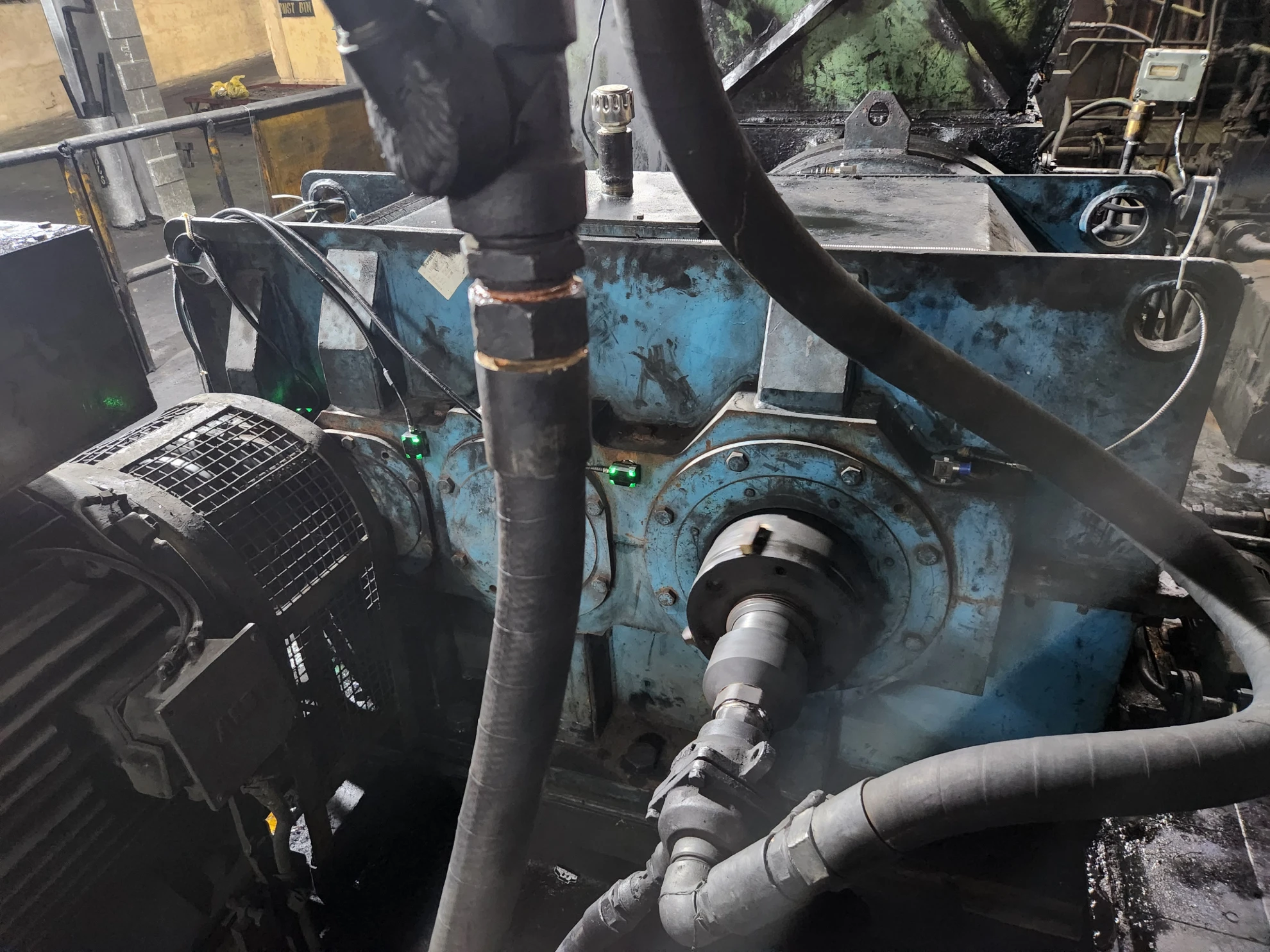
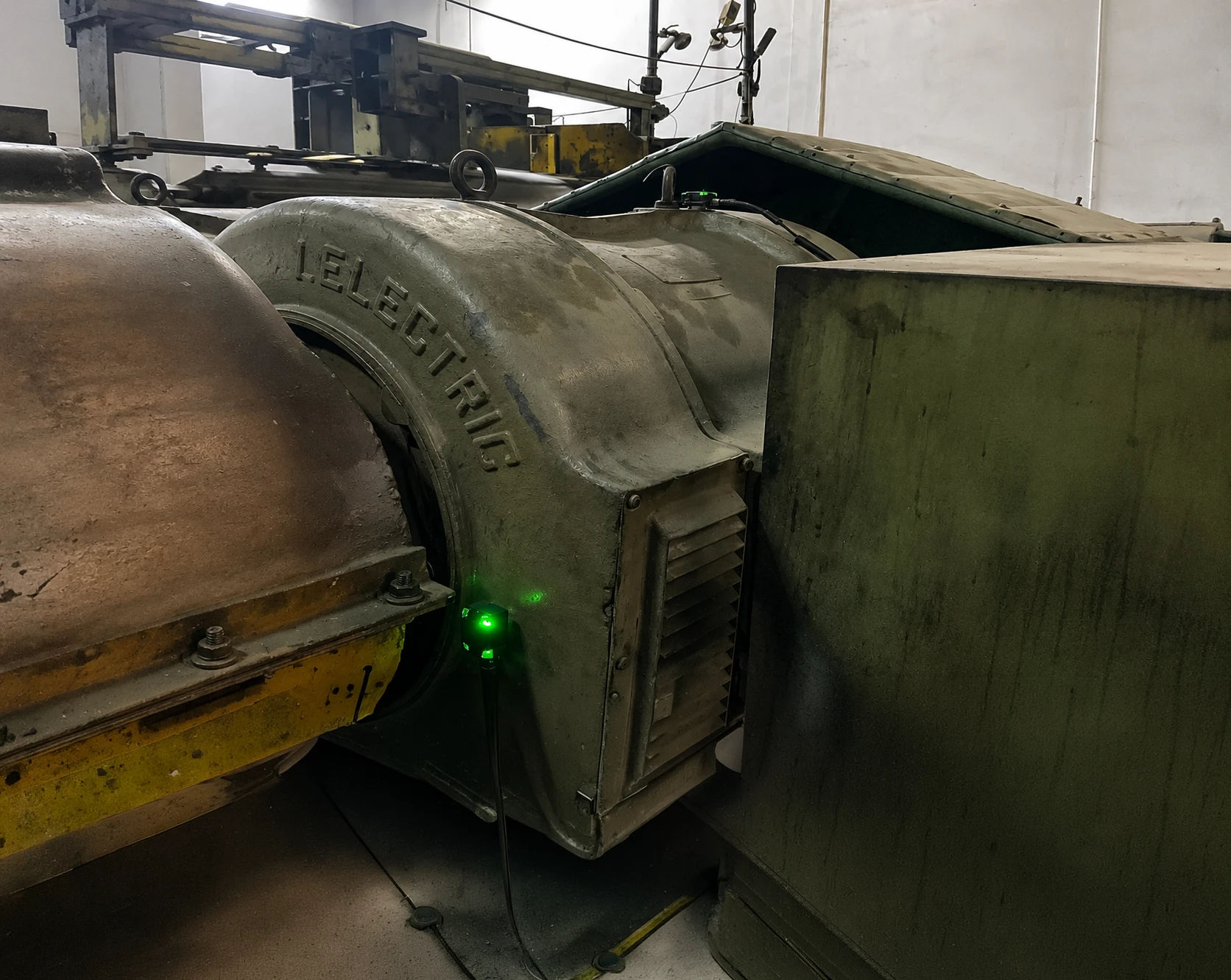
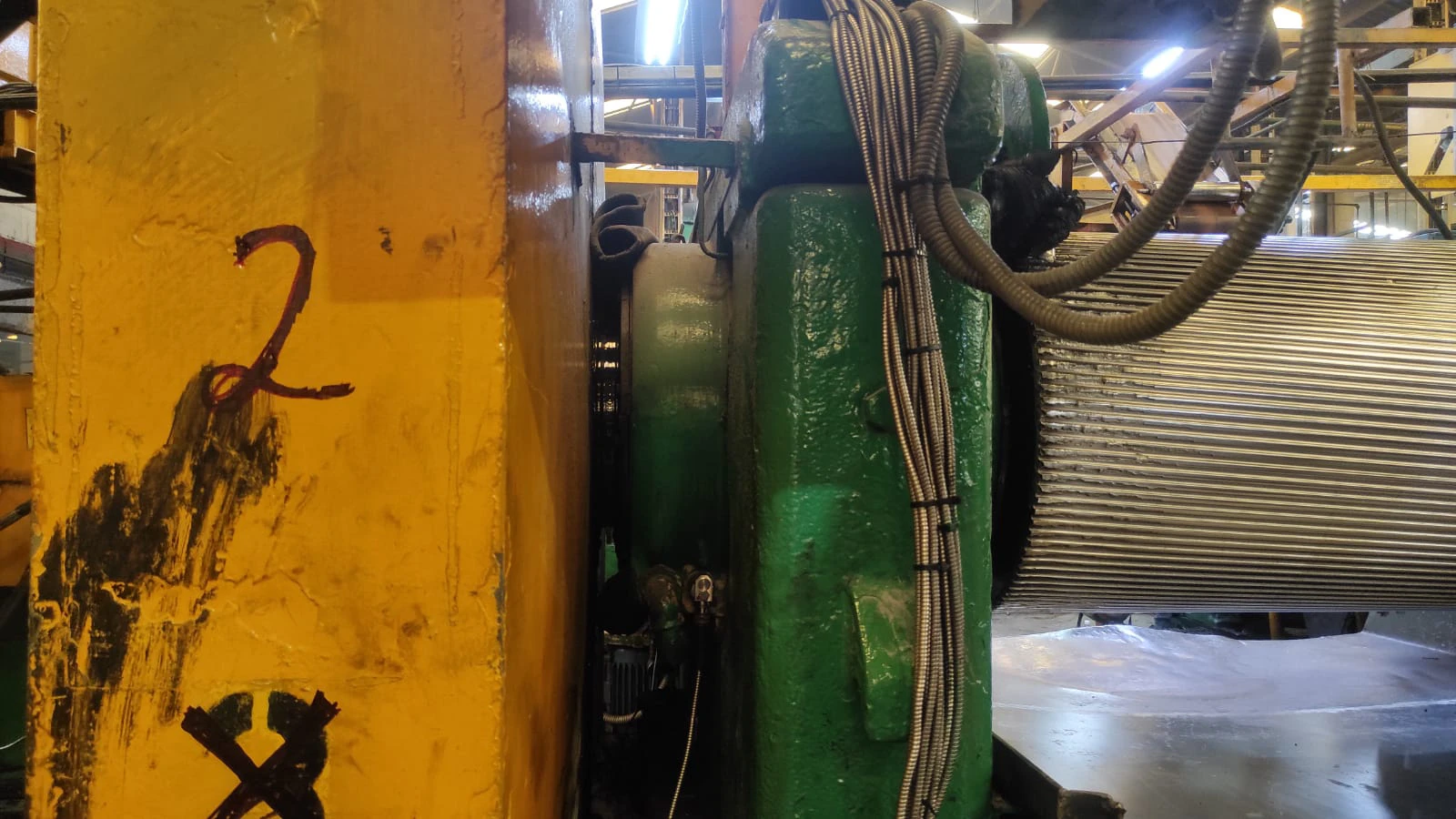
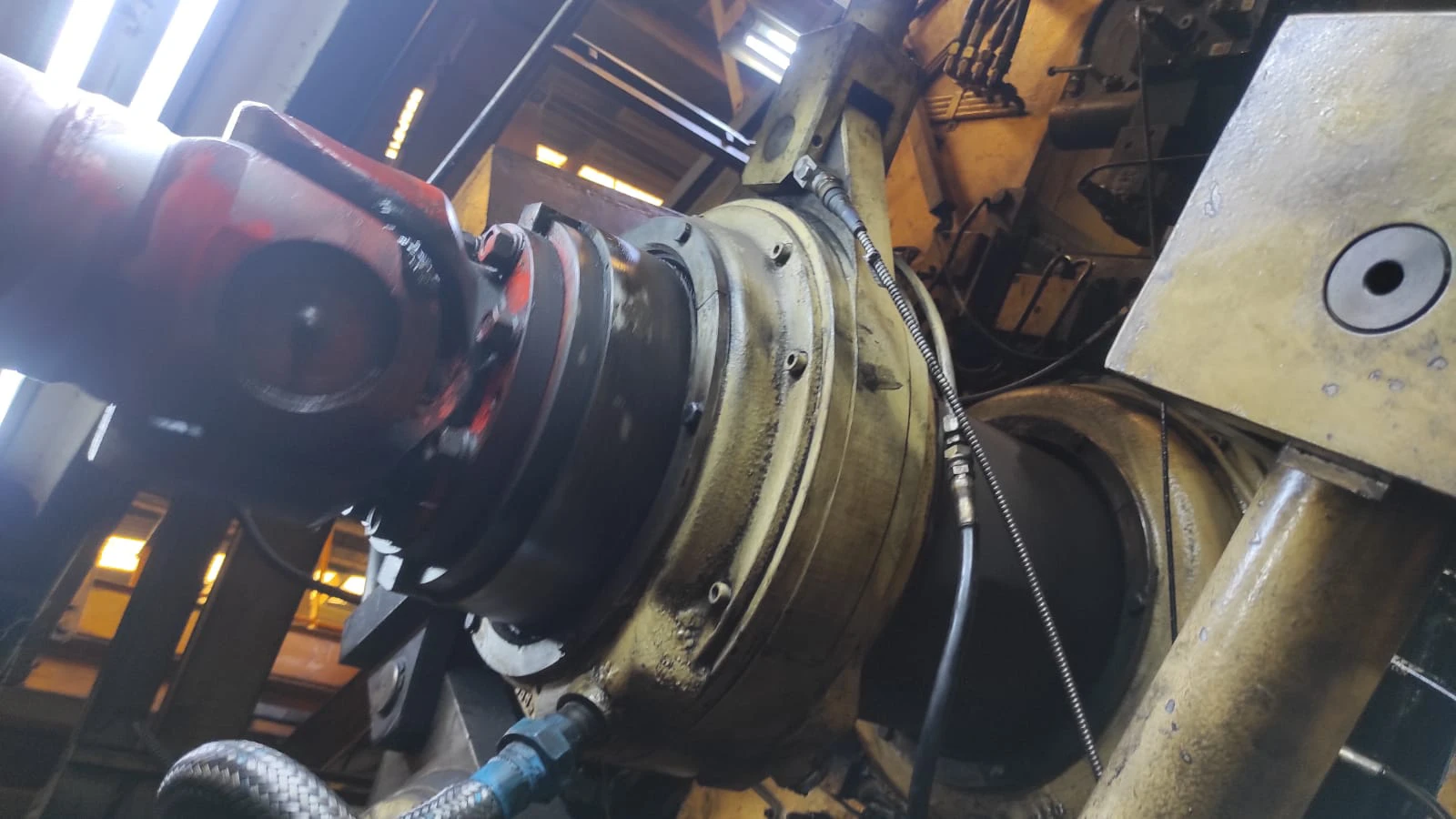
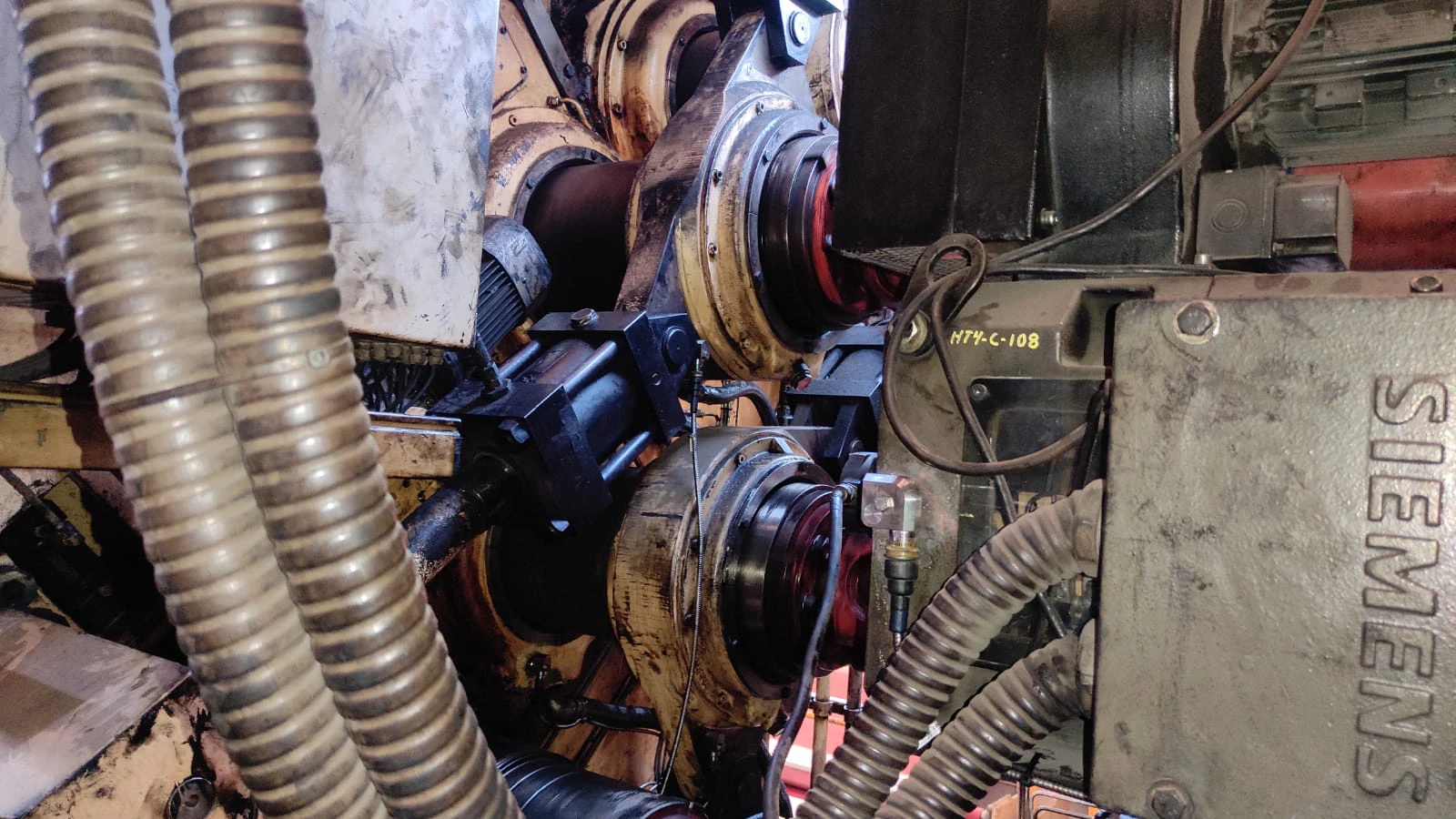
Predictive maintenance forecasts that an asset is likely to fail. Prescriptive maintenance states which asset, which fault, which corrective action, and by when. In practice the difference is workload: a predictive alert still needs a reliability engineer to diagnose and decide, whereas a PlantOS™ prescription arrives already diagnosed and ready to convert into a work order. At Tornel, PlantOS™ prescribed a corrective alignment on Banbury mixer Gearbox 2 that let the team act before it caused major downtime.
05
Which tire plant assets does PlantOS™ cover?
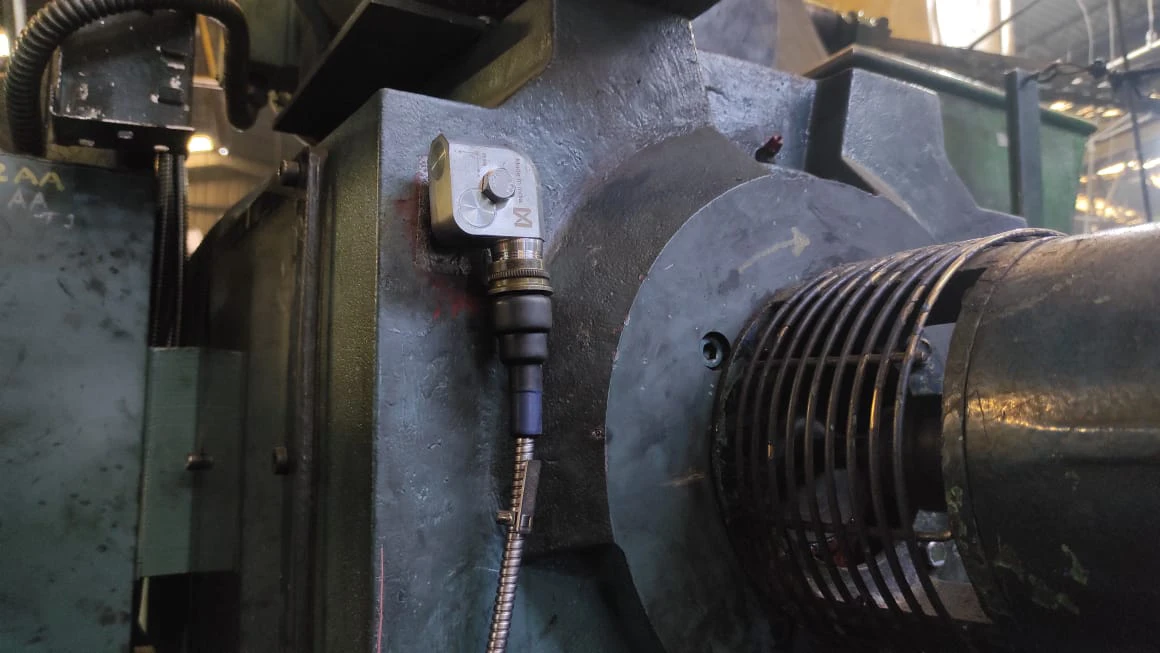
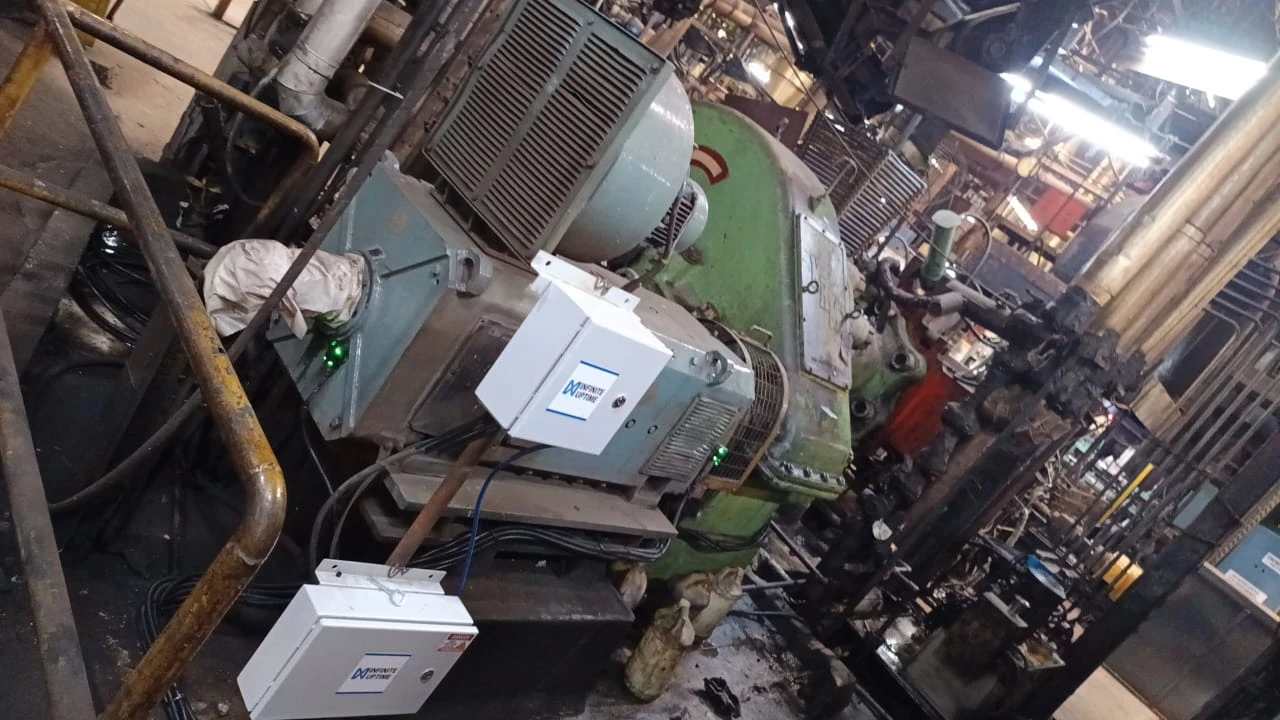
PlantOS™ covers the full plant, matched to how critical each asset is. Your production-critical assets, the extruders and Banbury mixers where a failure stops the line, are covered by AI Shields, the deep-domain models built for exactly those machines. Standard and critical rotating equipment across mixing, milling, calendering, and curing is covered through wired and wireless sensing, piezoelectric or MEMS, so you match coverage to the asset and the budget. And balance-of-plant equipment, the chillers, cooling pumps, and fans, is covered by the self-powered, wireless InfiSense 3XT with no gateways or cabling.
06
What outcomes can a tire plant expect from PlantOS™?
Three, delivered together: reduced unplanned downtime, higher throughput on the lines carrying output, and fewer rejects through earlier detection of the faults that cause cure and profile defects. Across deployments, PlantOS™ has digitalised 33 plants, prevented 1,722 equipment breakdowns, and eliminated 7,508 hours of unplanned downtime as of June 2026, per the PlantOS™ Digital Reporting System.
07
How does a prescription reach the maintenance team?
Each prescription carries the asset, the fault, the recommended action, and the timeframe, and is delivered to the maintenance team on the dashboard, email, and mobile for work order creation and digital sign-off. Execution and outcome are logged, and validated outcomes feed back into the models through the 99% Trust Loop.
08
Does PlantOS™ require replacing existing systems or sensors?
No. PlantOS™ integrates with the infrastructure already in the plant, unifying data from PLCs, DCS historians, and installed sensors alongside its own hardware where additional coverage is needed. Prescriptions are delivered into the existing maintenance workflow, so the plant gains process context on its critical assets without a rip and replace programme.
09
How does PlantOS™ help reduce rejects and scrap in tire manufacturing?
Many tire defects trace back to a process or equipment deviation that condition monitoring alone does not connect: a mixer running hot, an extruder screw wearing, a curing press drifting off recipe. PlantOS™ reads the mechanical and process signatures together and prescribes the correction before the deviation reaches the product, which reduces cure and profile defects and the scrap they generate.
10
Which tire companies use Vertical AI for maintenance?
CEAT, Tornel, and MRF are among the tire producers using PlantOS™ for prescriptive maintenance. At Tornel in Mexico, PlantOS™ vibration alerts and prescriptive recommendations, including a corrective alignment on a Banbury mixer gearbox, have enabled the team to act early and prevent major downtime.