
Prescriptive AI for Mining & Metals Industry
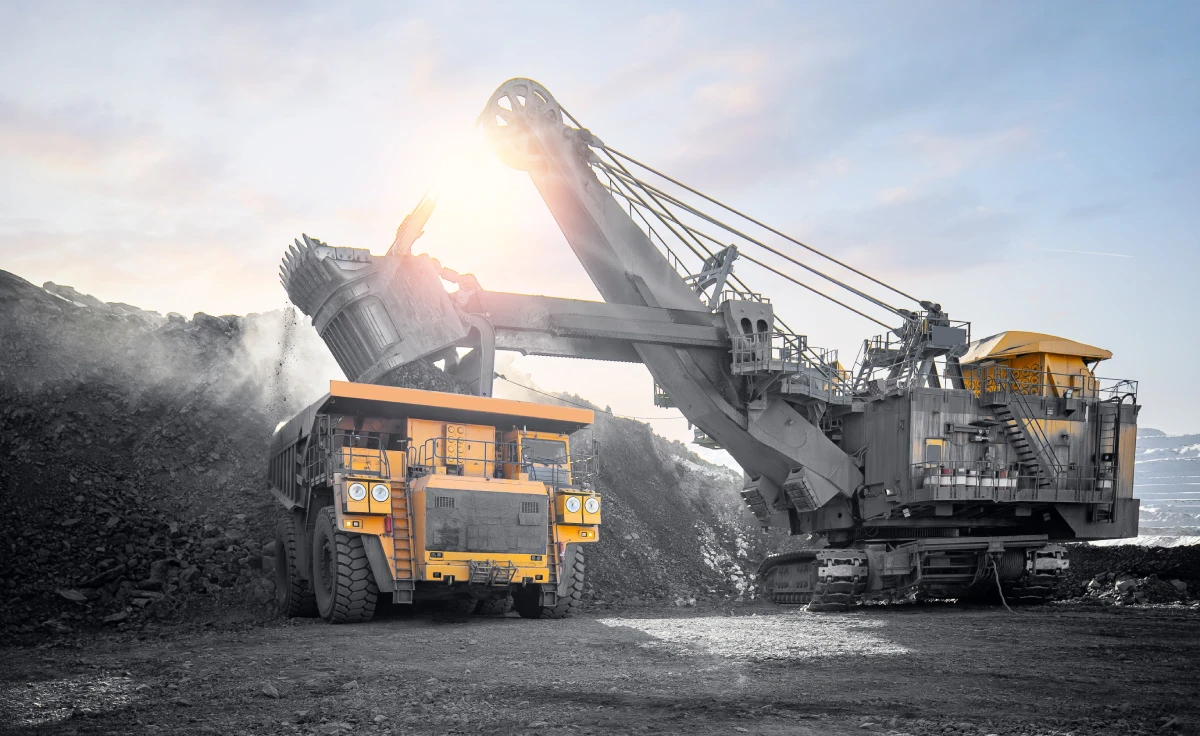
Outcomes Delivered
Prescriptive AI for Mining & Metal Processing plants turns equipment and process data into a single actionable work order. A predictive alert tells a plant operator that a SAG Mill gearbox is trending toward failure, and leaves the diagnosis to them. A PlantOS™ prescription tells them the fault, the fix, and business outcomes – and arrives ready to convert into a work order. In a Mining & Metal processing plant, that difference shows up on the crusher, the mill, the vibrating screens, and the smelting process: less unplanned downtime, more throughput, and lower cost/ton per asset.
Beyond Predictive:
Why Mining & Metal Processing Needs Prescriptive AI
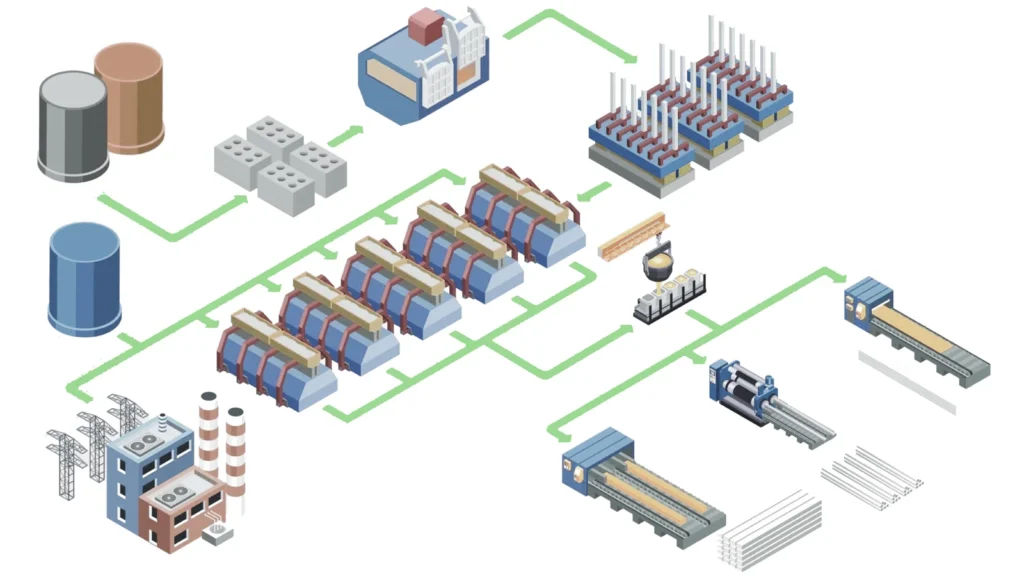
Green Anode Plant (GAP)
Ball Mill
Bucket Elevator
ID Fan
Kneader
Paste Mixer
Baking Furnace
FTA Blower
FTA Compressor
FTP ID Fan
Rodding
Autogenous Mill
Belt Conveyor
Shot Blast Unit
Dust Collector Fan
Butt Press Pump
Potline
Circulation Blower
ID Fan
Belt Conveyor
Cast House
Ingot Transfer Fork
Cooling Conveyor
Layer Conveyor
Stack Conveyor
Casting conveyor
Wire Rod Mill
Cooling Tower
Saw Cutter
Air Compressor
Pit Pump
Crane
Billet Cutter
Rolling
Rough Rolling Stand
Finish Rolling Stand
Annealing
Cooler Fan
Power plant Boiler Feed Pump PA Fan SA Fan ID Fan CEP Pump Vacuum Pump Cooling Water Pump Demineralization Pump Gas Turbine Cooling Tower Fan
01
Green Anode Plant (GAP)
- Ball Mill
- Bucket Elevator
- ID Fan
- Kneader
- Paste Mixer
02
Baking Furnace
- FTA Blower
- FTA Compressor
- FTP ID Fan
03
Rodding
- Autogenous Mill
- Belt Conveyor
- Shot Blast Unit
- Dust Collector Fan
- Butt Press Pump
04
Potline
- Circulation Blower
- ID Fan
- Belt Conveyor
05
Cast House
- Ingot Transfer Fork
- Cooling Conveyor
- Layer Conveyor
- Stack Conveyor
- Casting conveyor
- Wire Rod Mill
- Cooling Tower
- Saw Cutter
- Air Compressor
- Pit Pump
- Crane
- Billet Cutter
06
Rolling
- Rough Rolling Stand
- Finish Rolling Stand
- Annealing
- Cooler Fan
07
Power plant
- Boiler Feed Pump
- PA Fan
- SA Fan
- ID Fan
- CEP Pump
- Vacuum Pump
- Cooling Water Pump
- Demineralization Pump
- Gas Turbine
- Cooling Tower Fan
Mining and metals plants combine abrasive material handling with extreme thermal load, and both wear assets faster than scheduled inspection can detect.
A single failure on a SAG mill pinion, a primary crusher, or a slurry pump backs up the entire comminution circuit, and in metals processing a potline blower
or cast house crane failure stops the line outright.
The PlantOS™ Difference
signatures on every critical asset across mining and metal processing, then prescribes the fix for both.
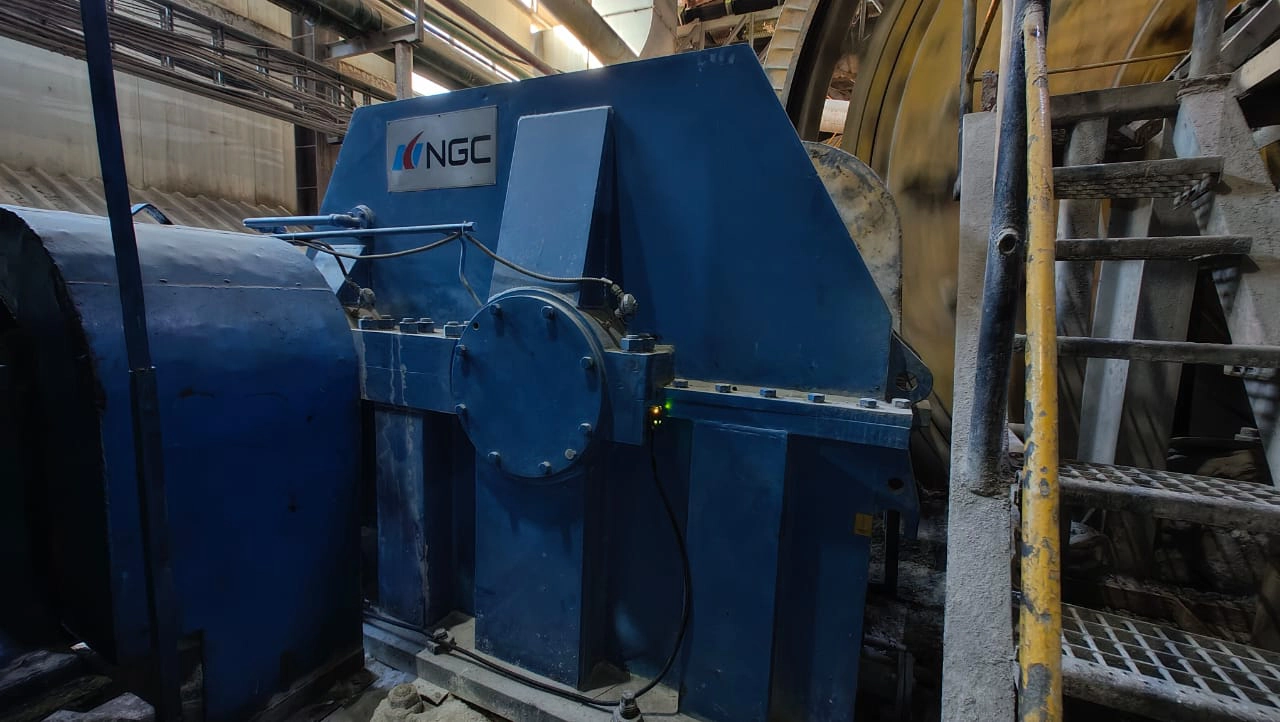
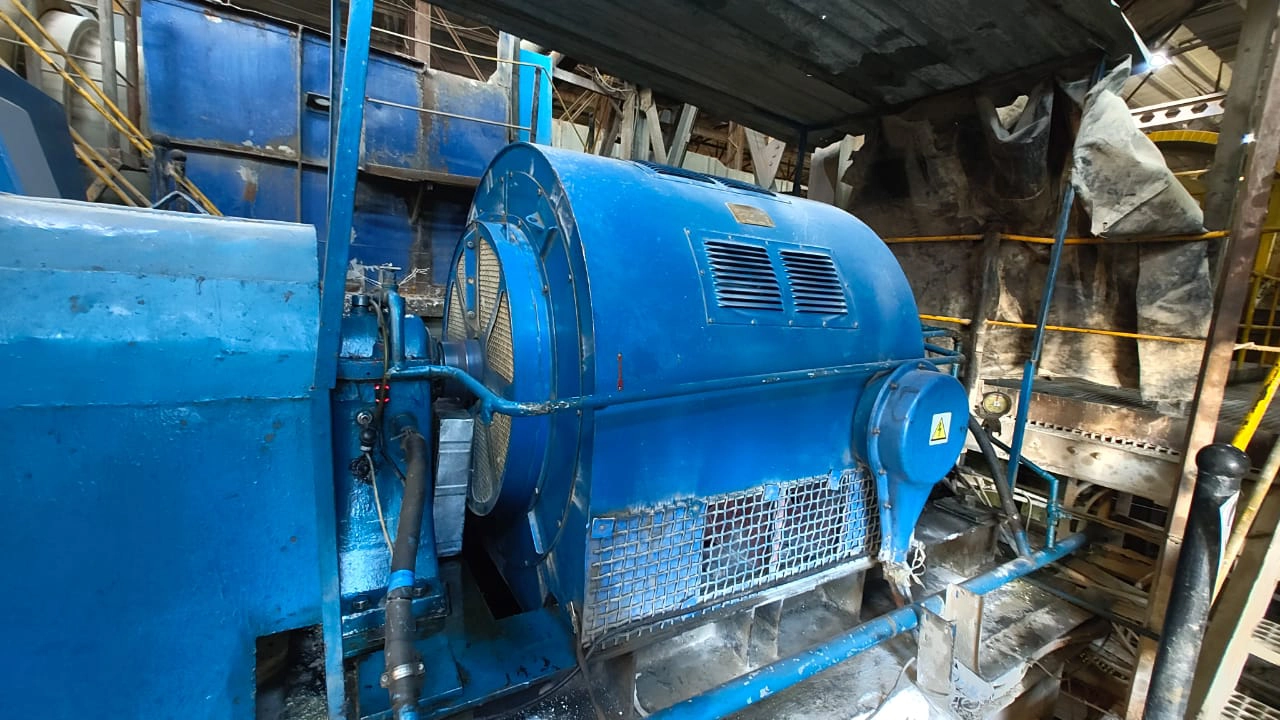
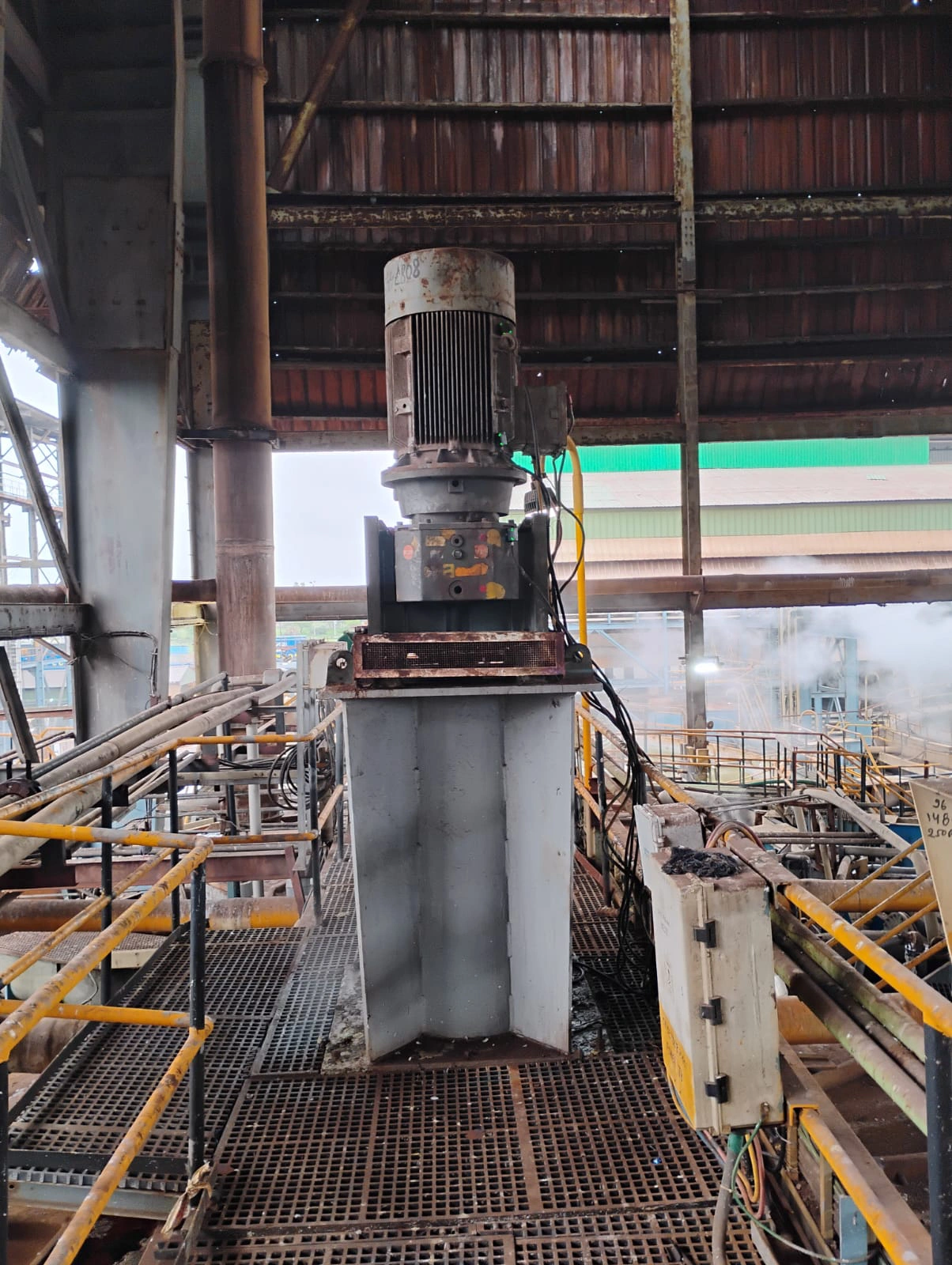
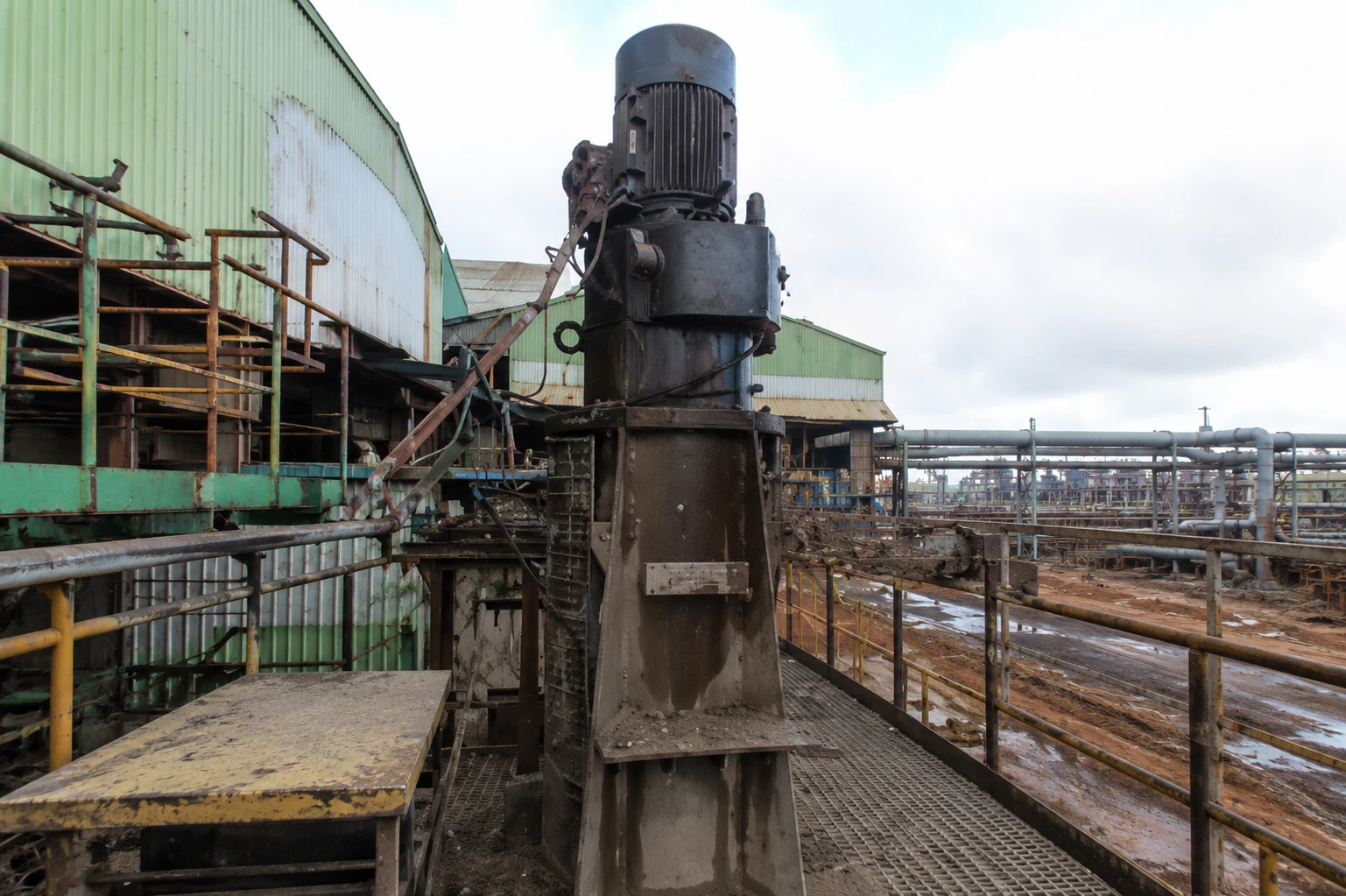
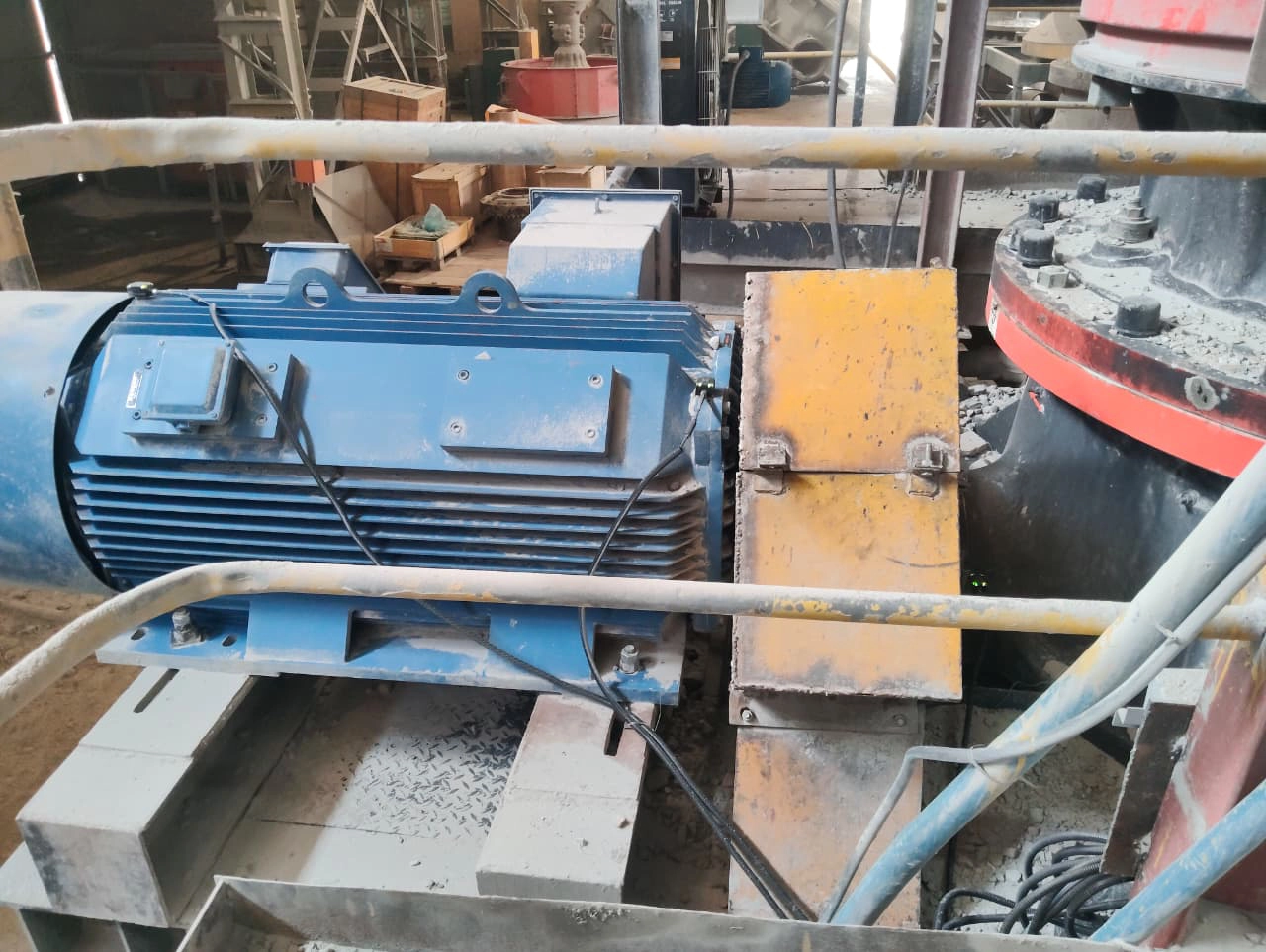
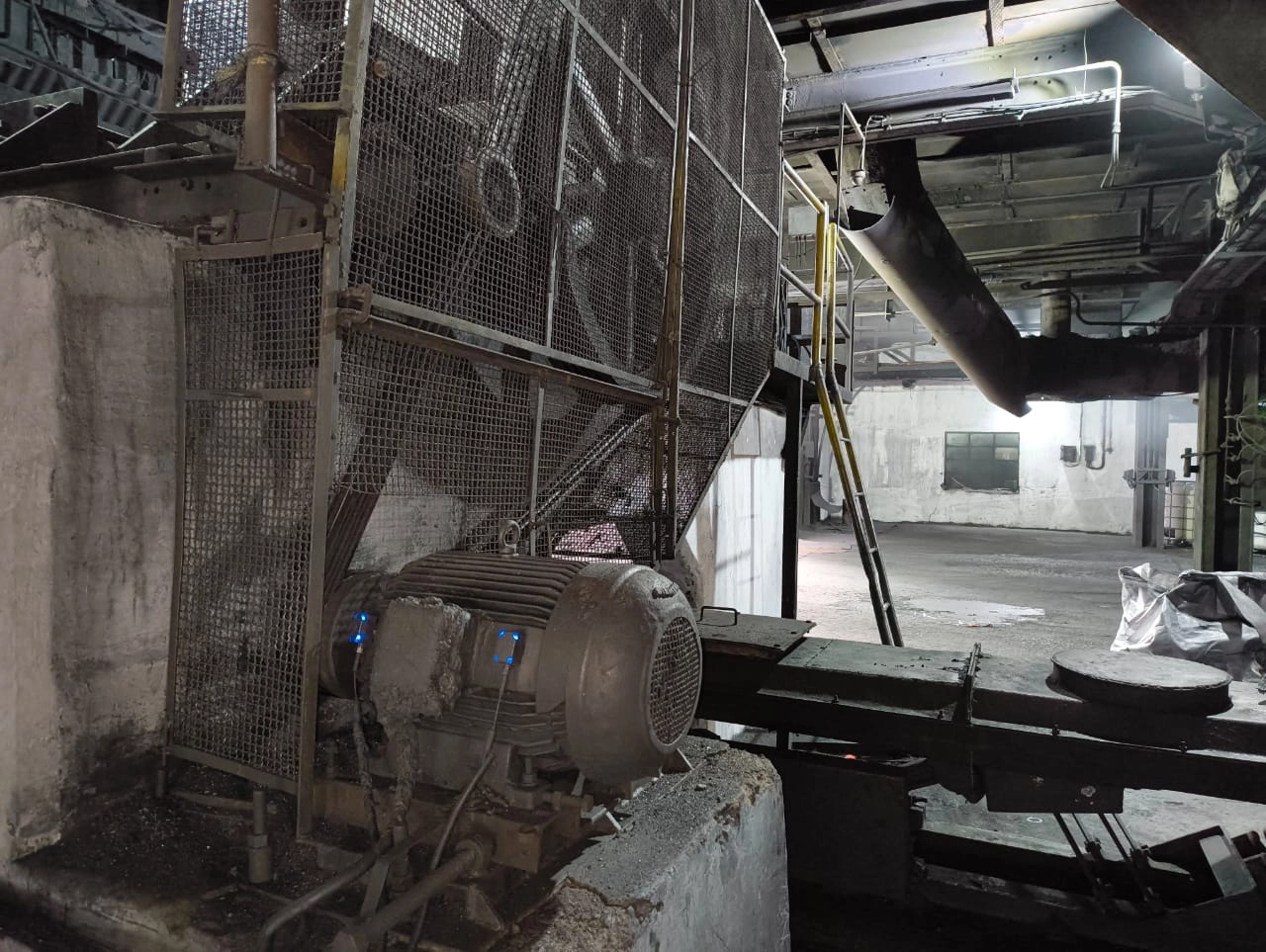
Our Customer Speaks

-Mr. Gaurang Kamat Head Engineering, Sesa Goa,
Vedanta Group, India
availability and reliability. The ability to detect issues early has not only helped
us avoid costly downtime but also built confidence in our operations. With
theseresults, we’re now moving into phase two—nearly doubling our sensor
coverage to monitor the entire plant.
Thank you for your interest in
PlantOS™ Prescriptive AI.
Enter your official work email to unlock specs delivering
3 outcomes in 1 prescription — zero guesswork.
Let's start with your most critical line.
Tell us the asset and we will show you what PlantOS™ reads on it.
30 minutes, no deck.
| Process area | Assets covered | Mechanical fault signature | Process-induced fault signature | Outcome |
|---|---|---|---|---|
| Crushing | Jaw, gyratory, and cone crushers, crusher drives, feeders | Bearing and eccentric wear, drive-belt and gearbox faults | Feed size and hardness variation driving load surge and liner wear | Prevents crusher stops that back up the circuit |
| Comminution | SAG and ball mills, mill pinion drives, girth gears, mill fans | Pinion and girth gear wear, mill bearing defects, drive misalignment | Ore hardness and feed-rate variation raising mill load and abrasive wear | Protects grinding throughput and the whole comminution circuit |
| Beneficiation | Slurry pumps, agitators, cyclone separators, thickener drives | Impeller erosion, seal failure, agitator gearbox and shaft wear | Feed density and abrasive slurry variation driving cavitation and erosion | Protects flow continuity and separation efficiency |
| Metals Processing | Cast house cranes, baking furnace fans, potline blowers, rolling mill drives, cooling systems | Hoist and drive bearing wear, fan and blower imbalance, gearbox faults | Thermal load, radiant heat, and process demand swings accelerating wear | Protects casting, baking, and rolling continuity |
PlantOS™ reads both, across every stage of the chain.
What PlantOS™ Prescribes in a Mining and Metals Operation
Frequently Asked Questions
Common questions about prescriptive maintenance solutions in mining and metals operations.
01
Why do mining and metals failures get missed by conventional condition monitoring?
Because most of them are not purely mechanical. A slurry pump does not fail from impeller wear alone, it fails because feed density variation drives cavitation that accelerates that wear. Conventional condition monitoring reads the vibration signature and misses the process condition driving it, so the alert arrives late and without a cause.
02
What is Vertical AI, and how does it differ from generic industrial AI?
Generic industrial AI applies one anomaly model across every asset in every industry. Vertical AI is built for the equipment and process conditions of a single sector. Infinite Uptime's PlantOS™ applies mining-specific failure logic through Dynamic FMEA, so a fault on a SAG mill pinion is evaluated against how SAG mill pinions actually fail under abrasive load, not against a generic deviation threshold.
03
How does PlantOS™ read process-induced faults as well as mechanical ones?
PlantOS™ analyses vibration, thermal, and process data from the same asset simultaneously, then correlates the two signature types. A gear mesh reading on a SAG mill drive is interpreted alongside ore hardness, feed rate, and mill load, which separates a genuine developing fault from a normal response to a feed variation. The prescription names the mechanical fault and the process condition sustaining it.
04
How is prescriptive AI different from predictive maintenance in mining?
Predictive maintenance tells you a SAG mill bearing might fail in 30 days. Prescriptive AI tells you what is wrong, for example an inner race defect at 2.4 mm/s velocity, what action to take, when to schedule it against the next planned shutdown, and what the production impact will be if you do not. In mining, where a single crusher or mill failure halts the comminution circuit and backs ore up for hours, that is the difference between a controlled intervention and a catastrophic stoppage. Prediction accuracy is 99.97 percent.
05
Which mining and metals assets does PlantOS™ cover?
Coverage spans the assets where mechanical and process faults compound. In mining that includes SAG mills, ball mills, jaw and cone crushers, vibrating screens, grizzly feeders, slurry pumps, agitators, cyclone separators, ID fans, conveyor belts and rollers, stackers, reclaimers, and draglines. In metals processing it extends to cast house cranes, baking furnace fans, potline circulation blowers, rolling mill drives, and cooling tower systems. Each asset is mapped to models trained on the failure modes that occur in these conditions, including bearing degradation under abrasive slurry, crusher liner wear, and mill pinion gear faults.
06
Can PlantOS™ work across different types of mining operations?
Yes. PlantOS™ adapts across open-pit mining, underground mining, and mineral processing plants regardless of commodity, covering zinc, copper, aluminium, iron ore, gold, and coal. The vertical AI models are trained on equipment behaviour patterns common across these environments, from haul-road conveyors in open-pit operations to ventilation fans and hoisting systems underground.
07
What outcomes can a mining or metals operation expect?
Three, delivered together: reduced unplanned downtime, higher throughput across the comminution and processing circuit, and lower cost per tonne through fewer emergency interventions, reduced spares consumption, and less energy waste on rotating equipment.
08
What measurable results has PlantOS™ delivered in mining and metals?
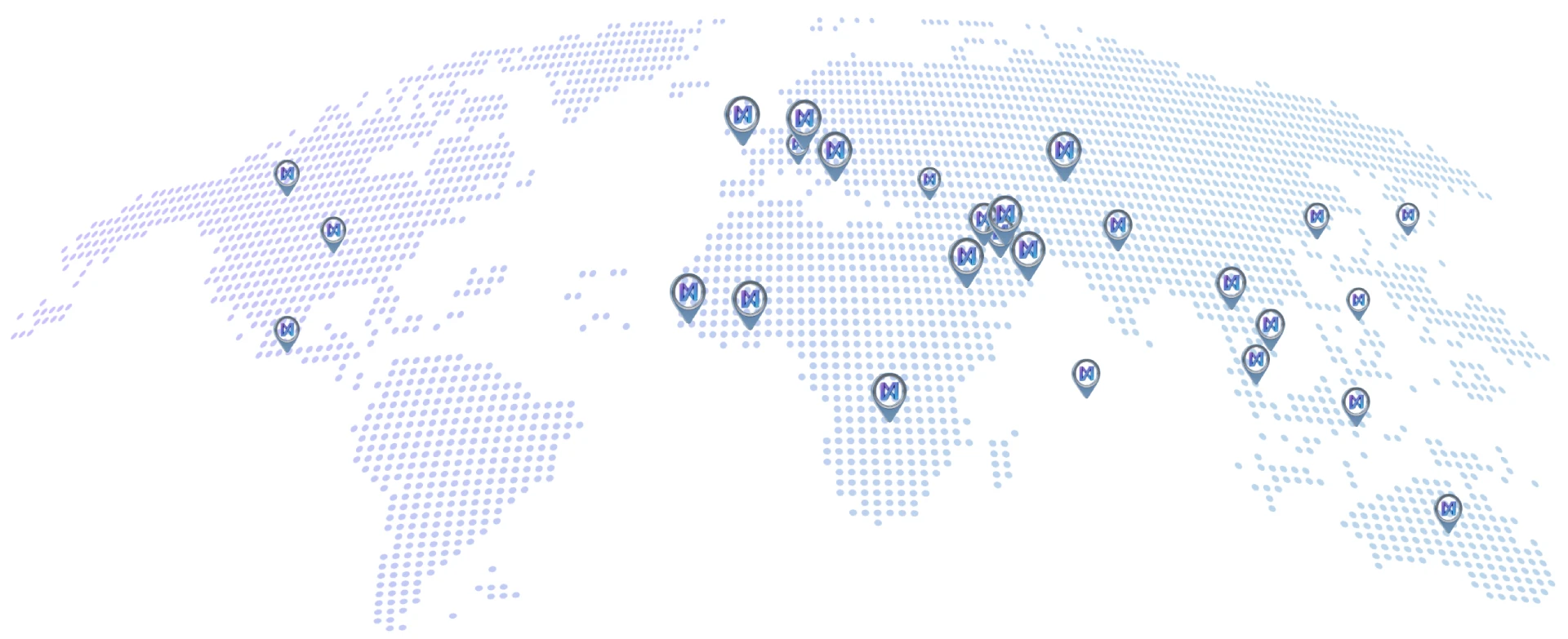
Across Vedanta Group, one of the world's largest producers of zinc, aluminium, copper, and iron ore, PlantOS™ monitors 9,055 critical equipment units through more than 26,300 sensors across 77 plant sites and 489 areas. The platform maintains an MTBF of 5,206 hours and has driven 1,554 prescriptions to action, with an operator validation rate above 83 percent. At Hindustan Zinc Limited alone, PlantOS™ eliminated 5,039 hours of unplanned downtime and delivered over $700,000 in production savings across its mines and smelters.
09
How does a prescription reach the maintenance team?
Each prescription carries the asset, the fault, the recommended action, and the timeframe. Each one is digitally verified by a reliability engineer/plant head/maintenance manager before it reaches the plant floor, so it is contextually accurate for that asset, operating condition, and process stage. Execution and outcome are logged, and validated outcomes feed back into the models through the 99% Trust Loop.
10
Does PlantOS™ require replacing existing systems or sensors?
No. PlantOS™ integrates with the infrastructure already in the operation, unifying data from PLCs, DCS historians, energy meters, and installed sensors alongside its own hardware where additional coverage is needed. Prescriptions are delivered into the existing maintenance workflow, so the site gains process context on its critical assets without a rip and replace programme.