Prescriptive AI for Steel Industry
Outcomes Delivered
Prescriptive AI for steel plants turns equipment and process data into a single actionable work order. A predictive alert tells a plant operator that a blast furnace blower is trending toward failure, and leaves the diagnosis to them. A PlantOS™ prescription tells them the fault, the fix, and business outcomes – and arrives ready to convert into a work order. In a steel plant, that difference shows up on the furnace, the mill, and the caster: less unplanned downtime, more throughput, and lower cost/ton per asset through a Vertical AI Platform built specifically for steel-industry conditions.
Beyond Predictive:
Why Steel Plants Needs Prescriptive AI
judged against how sinter cooler fans fail, not against a generic deviation threshold. Most steel plant failures are not purely mechanical.
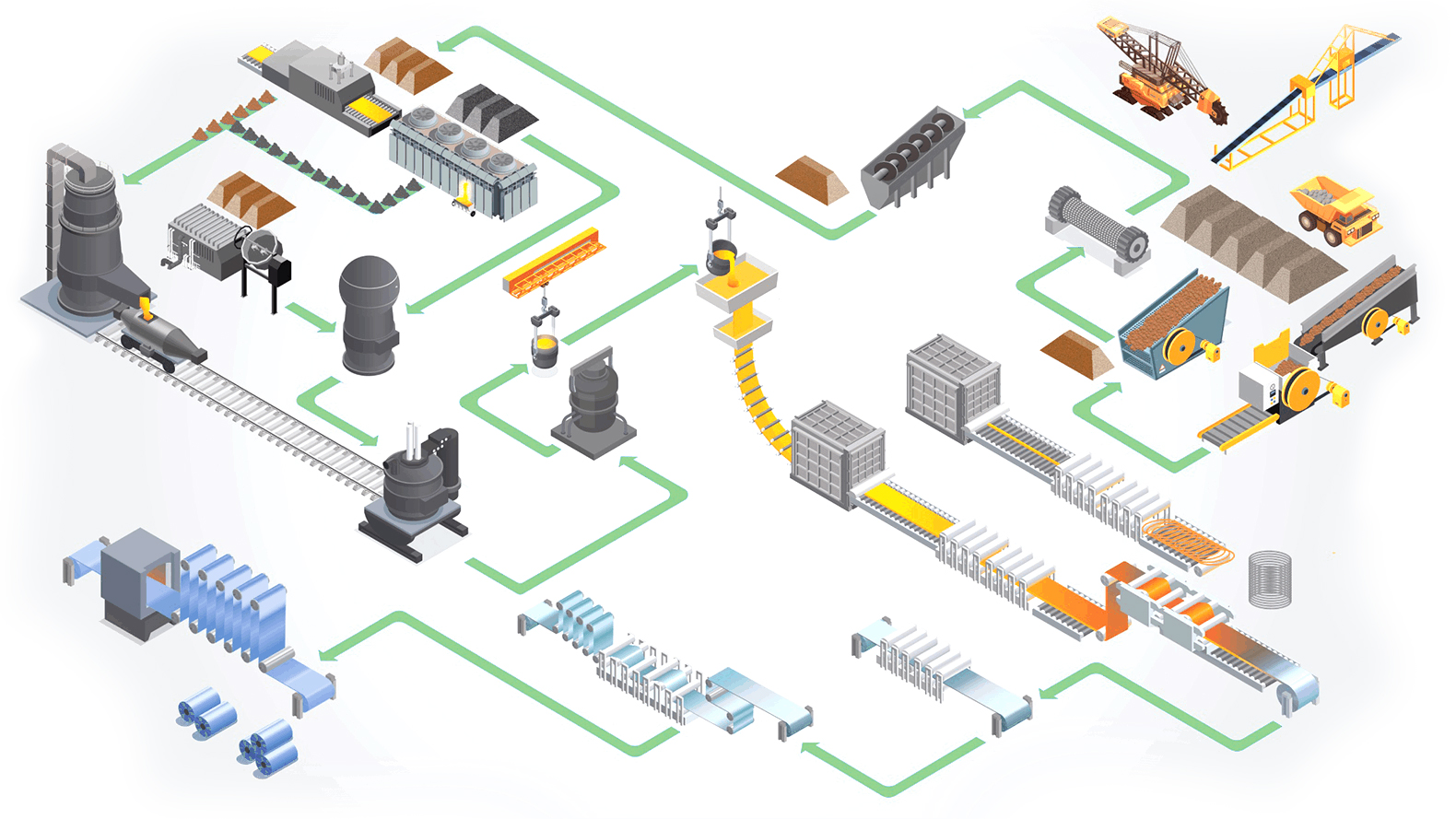
Mining
Grizzly Feeder
Jaw Crusher
Vibration Screen
Ball Mill
Stacker Reclaimer
Cyclone Separator
Conveyor
Coke Oven
Hammer Mill
Exhaust Blower
Dedusting Fan
Cooling Water Pump
BOD Blower
Vapor Compressor
Sinter Plant
Pallet Car
Mixing Drum
Sinter Crusher
Sinter Screen
Cooler Fan
Exhaust Blower
Dedusting Fan
Conveyor
Blast Furnace
Dedusting ID Fan
Stock House Conveyor
Sinter Fines Fan
Booster Fan
VPSA Blower
VPSA Pump
BLT Charging Unit
Steel Melting Shop (SMS)
Converter Saturated Pump
Converter GCP Pump
Dedusting ID Fan
Caster Mould Pump
Caster Booster Pump
Caster Slide Gate Pump
Caster Steam Fan
Scale Pit Pump
GAC Pump
Pellet Plant
Exhaust Fan
UDD Fan
Recuperator Fan
Ball Mill
Tailing Pump
Bucket Elevator
Conveyor
Pelletizing Disc
Corex
Top Dedusting Fan
Coal Dedusting Fan
Ore Dedusting Fan
Ore Conveyor
Hot Strip Mill
Mill Stand
Mill Drive
Pinch Roll
Cradle Roll
Mill Drive
Cooling Tower
Fume Exhaust Fan
Furnace Blower
Wire Rod Mill
Mill Stand
Looper
Pinch Roll
Circulation Blower
Tandem Cold Rolling Mill
Mill Stand
Mill Drive
Uncoiler
Recoiler
Tension Reel
Delivery Looper
Fume Exhaust
Continuous Galvanizing Line
Bridle Roll
Fume Exhaust Blower
Air Knife Blower
Coater Passivation Blower
Coating Line
Uncoiler
Recoiler
FD Fan
Fume Exhaust
Bridle Roll
01
Mining
- Grizzly Feeder
- Jaw Crusher
- Vibration Screen
- Ball Mill
- Stacker Reclaimer
- Cyclone Separator
- Conveyor
02
Coke Oven
- Hammer Mill
- Exhaust Blower
- Dedusting Fan
- Cooling Water Pump
- BOD Blower
- Vapor Compressor
03
Sinter Plant
- Pallet Car
- Mixing Drum
- Sinter Crusher
- Sinter Screen
- Cooler Fan
- Exhaust Blower
- Dedusting Fan
- Conveyor
04
Blast Furnace
- Dedusting ID Fan
- Stock House Conveyor
- Sinter Fines Fan
- Booster Fan
- VPSA Blower
- VPSA Pump
- BLT Charging Unit
05
Pellet Plant
- Exhaust Fan
- UDD Fan
- Recuperator Fan
- Ball Mill
- Tailing Pump
- Bucket Elevator
- Conveyor
- Pelletizing Disc
06
Corex
- Top Dedusting Fan
- Coal Dedusting Fan
- Ore Dedusting Fan
- Ore Conveyor
07
Steel Melting Shop (SMS)
- Converter Saturated Pump
- Converter GCP Pump
- Dedusting ID Fan
- Caster Mould Pump
- Caster Booster Pump
- Caster Slide Gate Pump
- Caster Steam Fan
- Scale Pit Pump
- GAC Pump
08
Hot Strip Mill
- Mill Stand
- Mill Drive
- Pinch Roll
- Cradle Roll
- Mill Drive
- Cooling Tower
- Fume Exhaust Fan
- Furnace Blower
09
Wire Rod Mill
- Mill Stand
- Looper
- Pinch Roll
- Circulation Blower
10
Tandem Cold Rolling Mill
- Mill Stand
- Mill Drive
- Uncoiler
- Recoiler
- Tension Reel
- Delivery Looper
- Fume Exhaust
11
Continuous Galvanizing Line
- Bridle Roll
- Fume Exhaust Blower
- Air Knife Blower
- Coater Passivation Blower
12
Coating Line
- Uncoiler
- Recoiler
- FD Fan
- Fume Exhaust
- Bridle Roll
Three outcomes follow: less downtime, more throughput, lower cost per tonne.
The PlantOS™ Difference
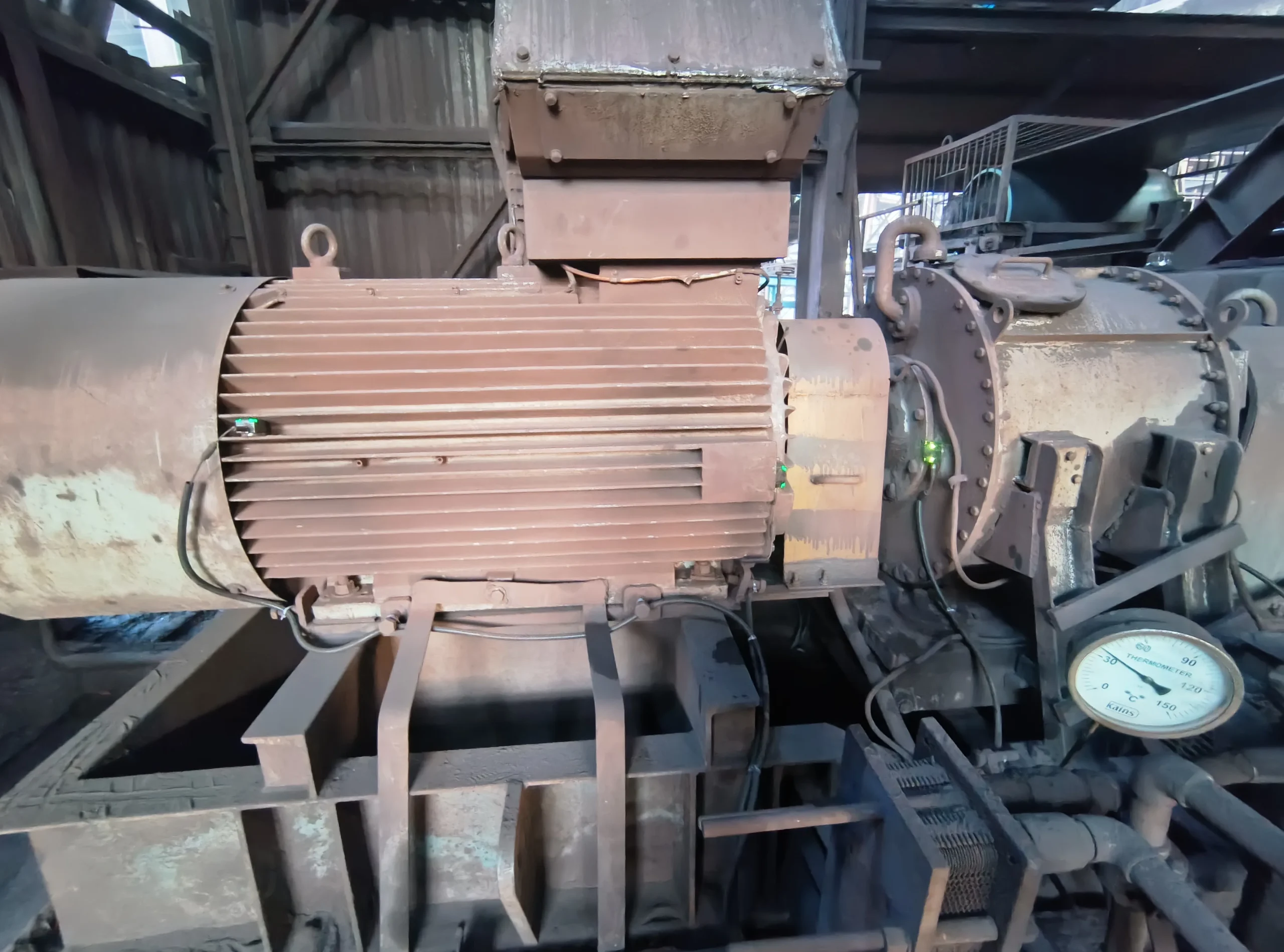
PlantOS™ goes beyond condition monitoring. It reads mechanical and process-induced fault signatures
on the same critical asset, then prescribes the specific intervention, at the specific time
Heavy-duty overhead handling equipment moving ladles of molten metal, slabs, and coils at loads exceeding 400 tons under radiant heat and near-continuous duty cycles.
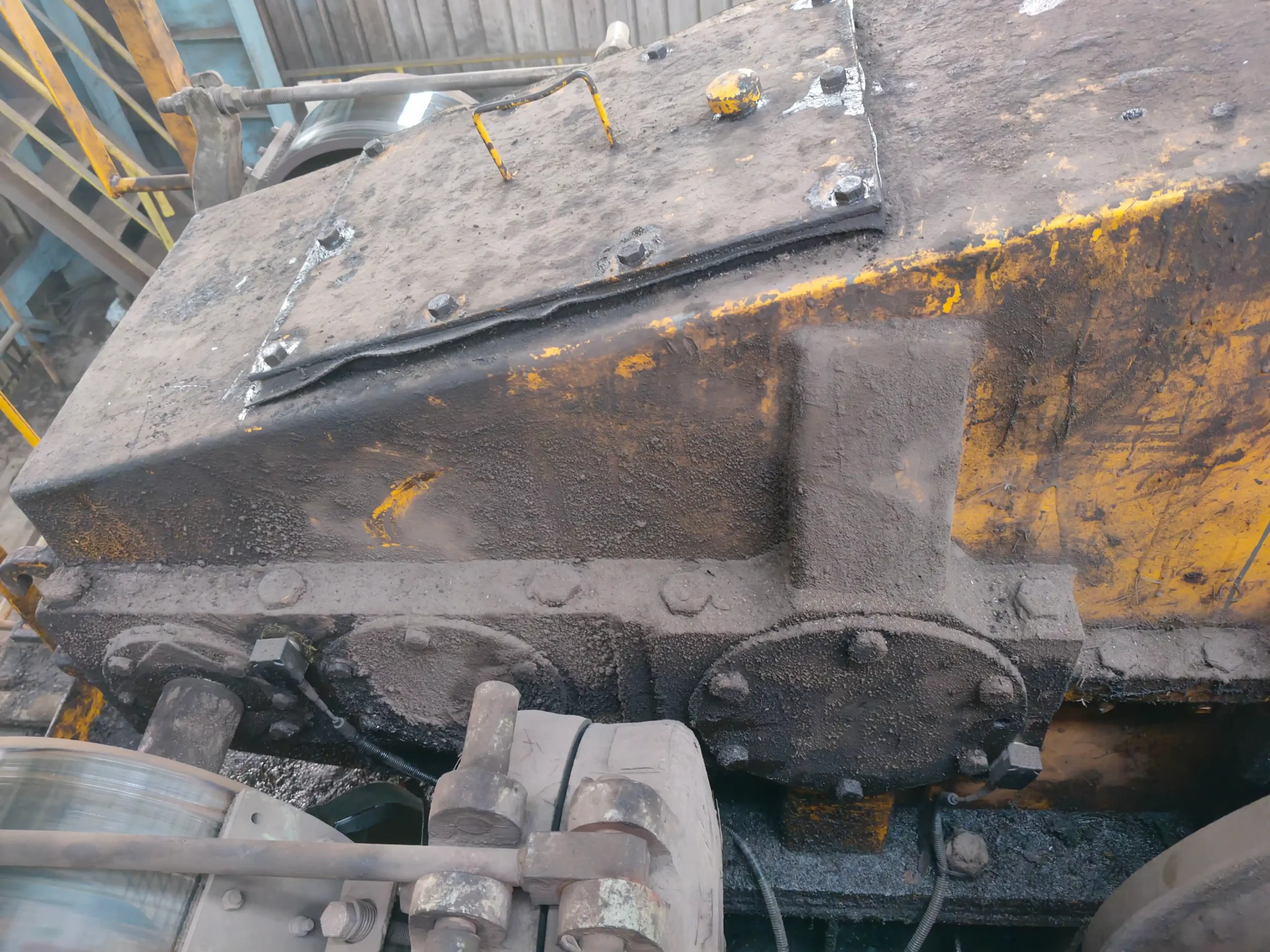
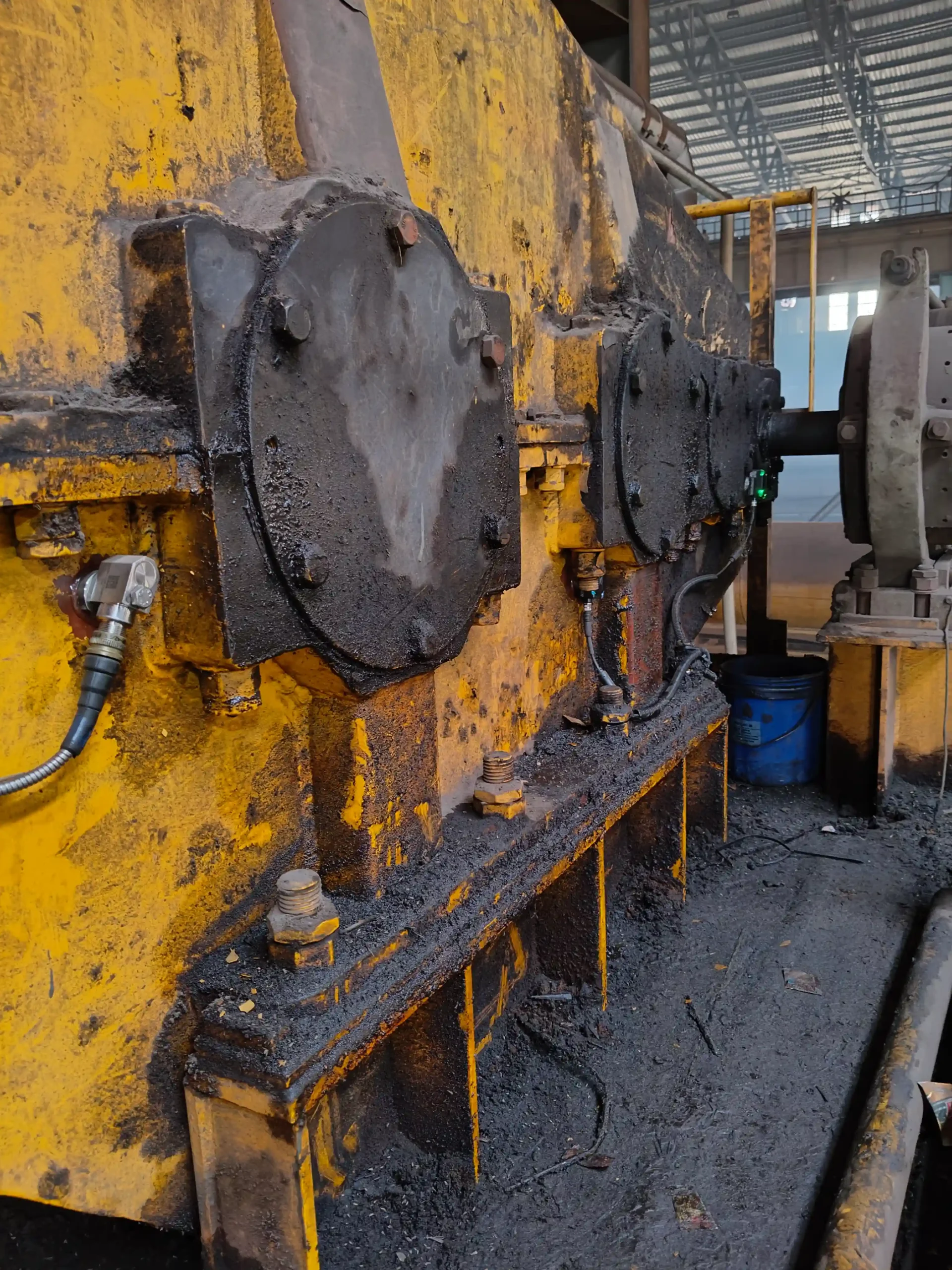
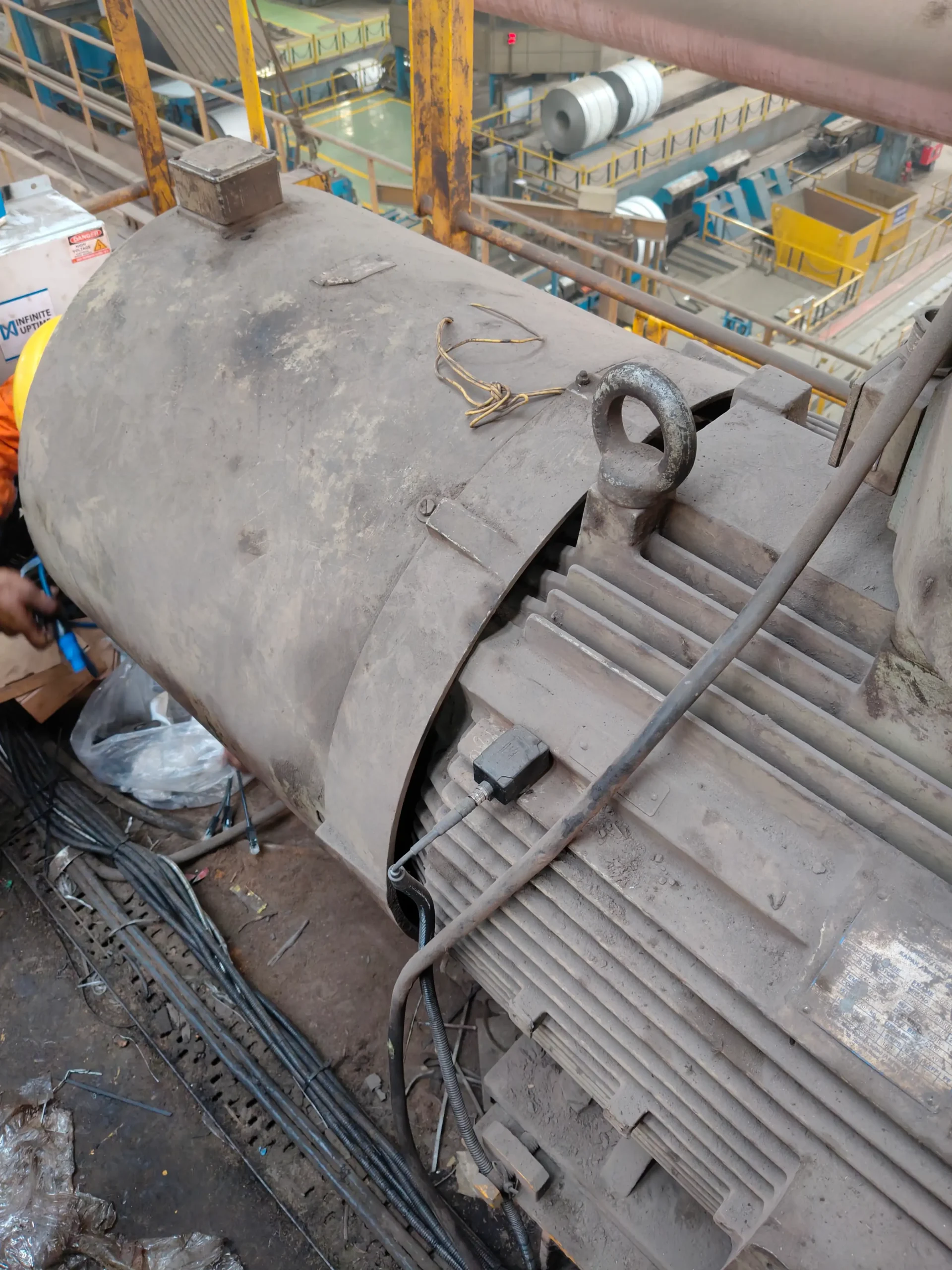
The continuous heart of ironmaking, operating above 2000°C in the hearth across campaigns that must run uninterrupted for 15 to 20 years.
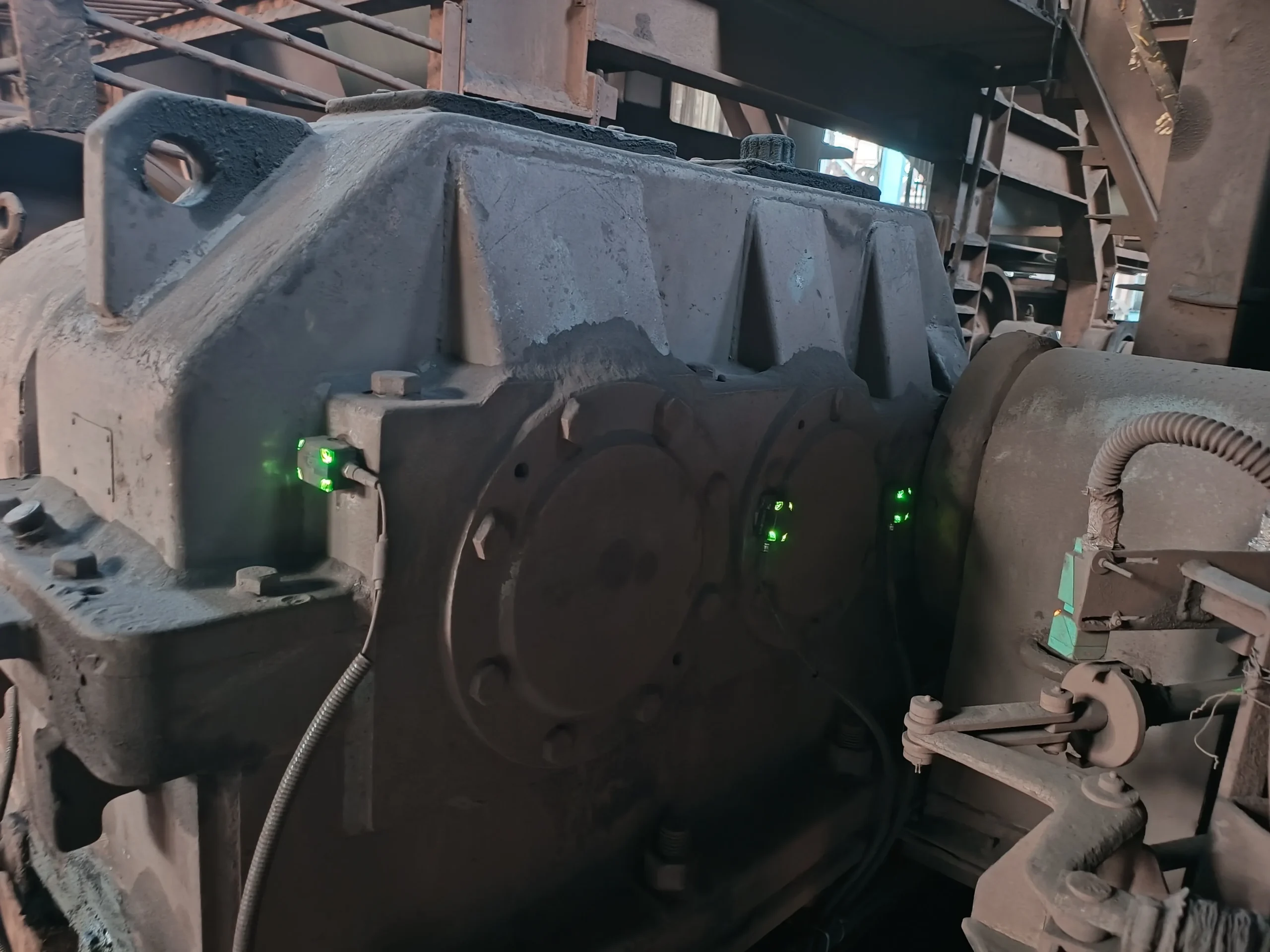
High-speed rolling line reducing slabs charged at 1250°C into strip, with mill stands, work rolls, loopers, and coilers running under severe dynamic load.
Our Customer Speaks

Thank you for your interest in
PlantOS™ Prescriptive AI.
Enter your official work email to unlock specs delivering
3 outcomes in 1 prescription — zero guesswork.

Thank you for your interest in
PlantOS™ Prescriptive AI.
Enter your official work email to unlock specs delivering
3 outcomes in 1 prescription — zero guesswork.
Let's start with your most critical line.
Tell us the asset and we will show you what PlantOS™ reads on it.
30 minutes, no deck.

| Process area | Asset | Mechanical fault signature | Process-induced fault signature | Outcome |
|---|---|---|---|---|
| Casting Bay | EOT ladle crane hoist motor & long travel system | Hoist gearbox gear mesh wear and rope drum bearing defect | Lubricant breakdown under radiant ladle heat, skew loading from rail thermal misalignment | Avoids crane immobilisation over the casting bay, protecting heat handling and safety |
| Blast Furnace | Dedusting ID fan | Bearing outer race defect with rotor unbalance | Dust build-up on the impeller from upstream gas cleaning underperformance | Avoids the fan trip that forces blast reduction and lost hot metal |
| Electric Arc Furnace | Electrode regulation hydraulic pump | Vane and bearing wear with cavitation damage | Pressure spikes from rapid regulation cycling on an unstable arc, plus oil thermal degradation | Shortens tap to tap time and lowers electrode consumption per tonne |
| Hot Strip Mill | Mill stand drive | Gear mesh backlash with pinion bearing wear | Torsional shock loading from off centre bar entry and rolling schedule change | Prevents cobble and stand seizure, protects rolling throughput |
| Cold Rolling Mill | Recoiler mandrel | Mandrel bearing wear and gearbox tooth wear | Eccentric loading from strip off centre tracking and tension variation | Prevents coil damage and recoiler seizure, protects yield |
Generic AI reads only the first.
What Outcomes PlantOS™ drives in a Steel Plant
Frequently Asked Questions
Common questions about prescriptive maintenance solutions in steel plants.
01
Why do steel plant failures get missed by conventional condition monitoring?
Because most of them are not purely mechanical. A dedusting fan does not fail from bearing wear alone, it fails because material build-up shifts the rotor balance and accelerates that wear. Conventional condition monitoring reads the vibration signature and misses the process condition driving it, so the alert arrives late and without a cause.
02
What is Vertical AI, and how does it differ from generic industrial AI?
Generic industrial AI applies one anomaly model across every asset in every industry. Vertical AI is built for the equipment and process conditions of a single sector. Infinite Uptime's PlantOS™ applies steel-specific failure logic through Dynamic FMEA, so a fault on a sinter cooler fan is evaluated against how sinter cooler fans actually fail, not against a generic deviation threshold.
03
How does PlantOS™ read process-induced faults as well as mechanical ones?
PlantOS™ analyses vibration, temperature, and process data from the same asset simultaneously, then correlates the two signature types. A gear-mesh backlash reading on a mill drive is interpreted alongside load and thermal conditions, which separates a genuine developing fault from a normal response to a process swing. The prescription names the mechanical fault and the process condition sustaining it.
04
What is the difference between predictive and prescriptive maintenance?
Predictive maintenance forecasts that an asset is likely to fail. Prescriptive maintenance states which asset, which fault, which corrective action, and by when. In practice the difference is workload: a predictive alert still needs a reliability engineer to diagnose and decide, whereas a PlantOS™ prescription arrives already diagnosed and ready to convert into a work order.
05
Which steel plant assets does PlantOS™ cover?
Coverage spans the assets where mechanical and process faults compound: EOT Crane, blast furnace blowers and dedusting ID fans, continuous casters and caster mould pumps, hot strip and cold rolling mill drives, sinter plant cooler and exhaust fans, coke oven vapour compressors, Electric Arc Furnace, pellet plant ball mills, and cold mill recoilers. These operate under thermal load, abrasive conditions, and duty cycles where generic models perform worst.
06
What outcomes can a steel plant expect from PlantOS™?
Three, delivered together: reduced unplanned downtime, higher throughput on the lines that carry output, and lower cost per tonne through fewer emergency interventions, reduced spares consumption, and less energy waste on rotating equipment. Across deployments, PlantOS™ has digitalised 240 plants, prevented 19,050 equipment breakdowns, and eliminated 62,491 hours of unplanned downtime as of June 2026, per the PlantOS™ Digital Reporting System.
07
How does a prescription reach the maintenance team?
Each prescription carries the asset, the fault, the recommended action, and the timeframe, and is delivered to the maintenance team on mobile for work order creation and digital sign-off. Execution and outcome are logged, and validated outcomes feed back into the models that generated the prescription.
08
Does PlantOS™ require replacing existing systems or sensors?
No. PlantOS™ integrates with the infrastructure already in the plant, ingesting data from existing historians, PLC and SCADA systems, data lakes, and installed sensors, alongside its own hardware where additional coverage is needed. Prescriptions are delivered into the existing CMMS and maintenance workflow, so the plant gains process context on its critical assets without a rip and replace programme.