
Production Reliability for
Tire & Rubber Industry
failures, control defects, and maintain continuous production. From mixers to curing presses, real-time diagnostics and
targeted actions help reduce rejects, avoid downtime, and stabilize high-energy operations.
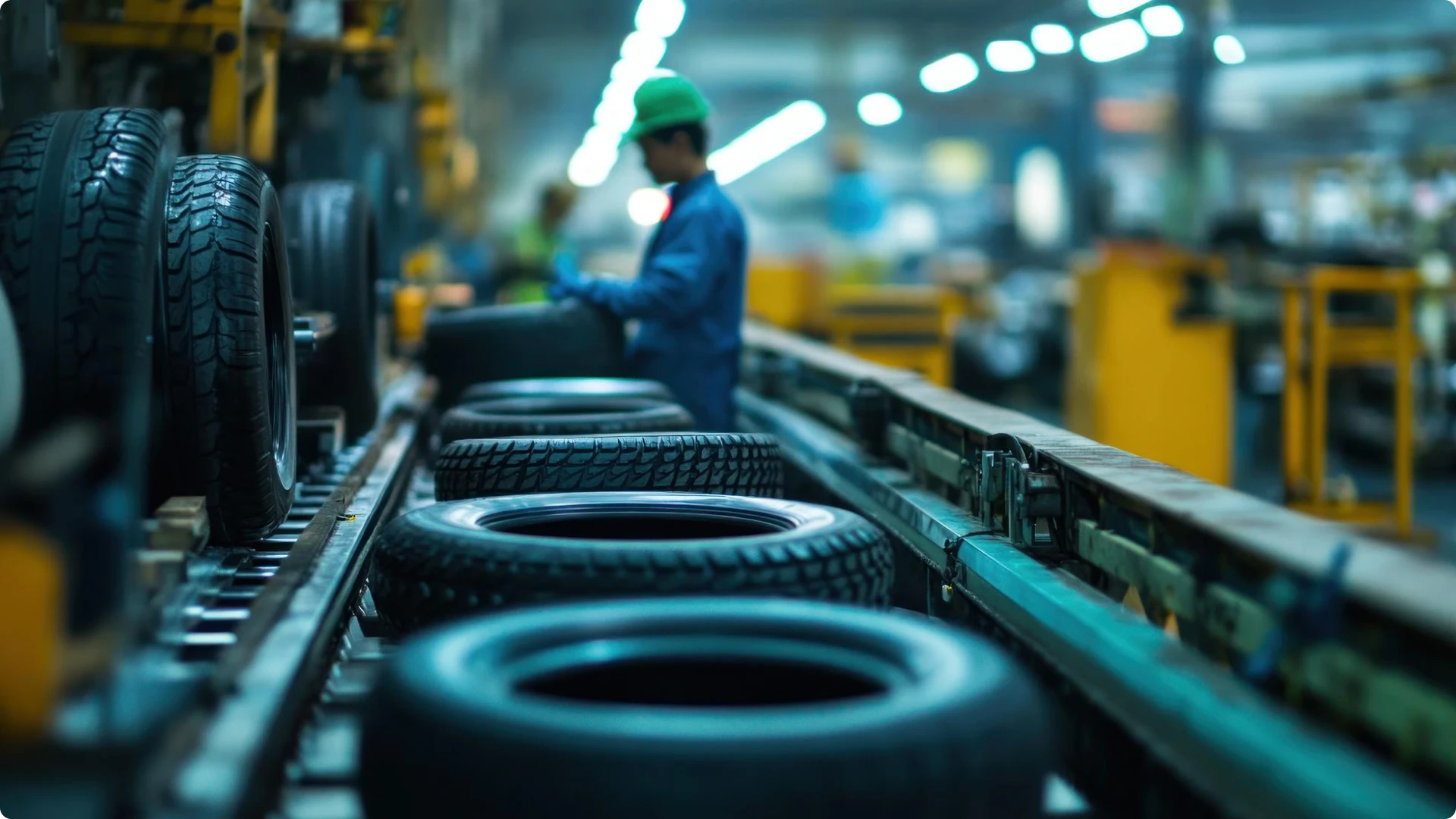
Strategic Challenges
Industrial AI for Reliable
Tire & Rubber Manufacturing
In tire manufacturing, every defect risks recalls, every outage risks millions
Prescriptive Maintenance & Energy Optimization with Proven ROI in 6–12 Months
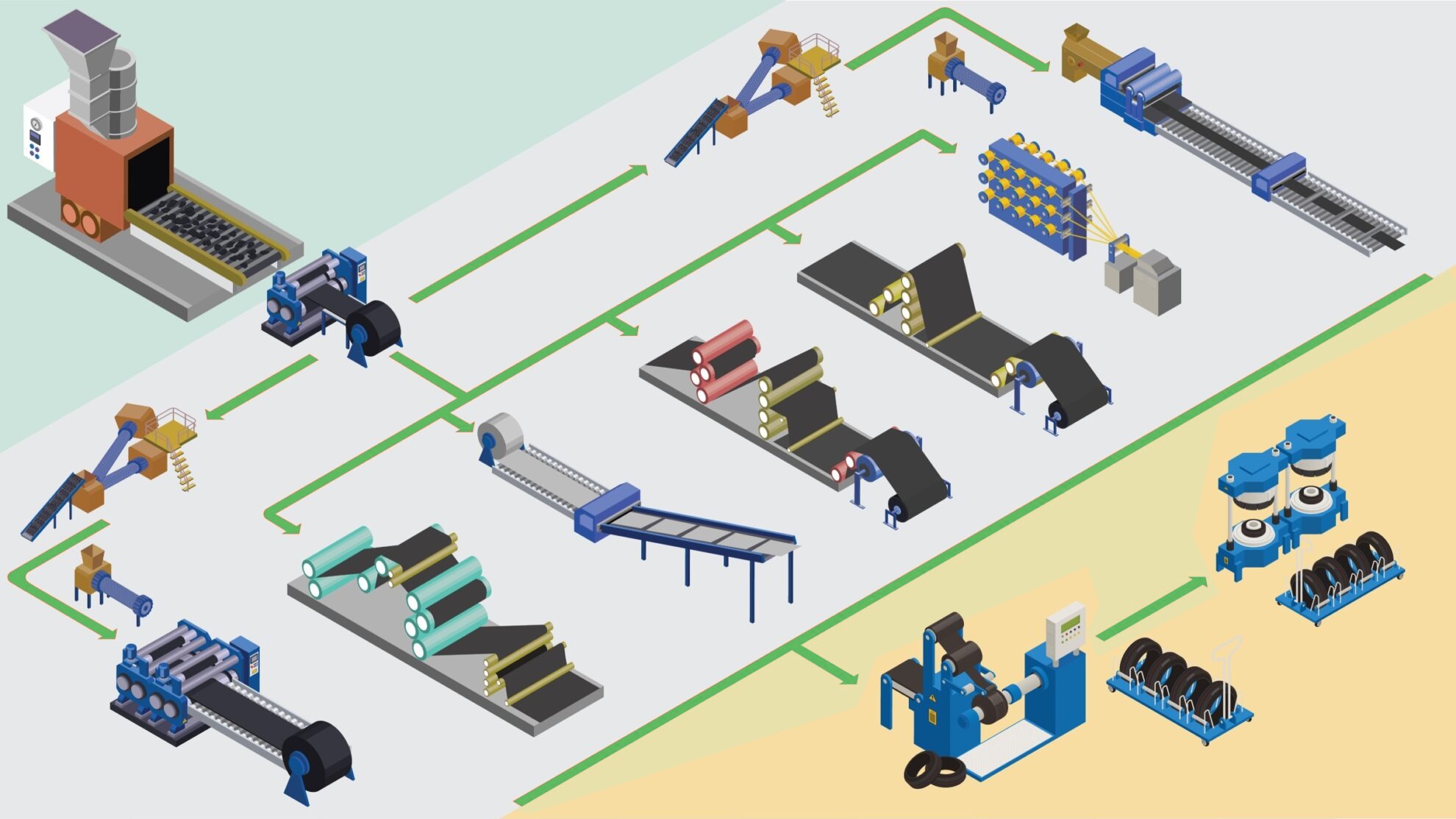
Banbury Mixer
Master Mixer
TSS Screw
TSS Calender gearbox
Dust Collecting Blower
Milling Section
Hold Mill
Feed Mil
Cracker Mill
Extruder
Duplex Extruder
Triplex Extruder
Quadraplex Extruder
Cushion Feed Extruder
Pork chop Extruder
Belt Extruder
Bead Construction
Bead Apex Extruder
Thread Applicator
Strip Winding Extruder
Inner Liner Calendering
Inner liner extruder
Inner Liner Roll
Fabric Cord Calendering
Pork chop Extruder
Calendar Hold Mill
Calendar Feed Mill
Calendar Rolls (4 roll section)
Cushion Calendar
Steel Belt Calendering
Steel Belt Cutting
Fabric Ply Cutting
Tyre Building
Curing & Inspection
Critical equipment like internal mixers and curing presses operate under extreme
heat and pressure, where unexpected failures can halt lines, cause costly rejects,
and disrupt tight delivery schedules. Energy-intensive curing and mixing processes
drive high power consumption, making inefficiencies costly.
Our Customer Speaks
Trusted by global manufacturers for delivering measurable
reliability,
energy efficiency, and operational excellence.

Infinite Uptime doesn’t just measure vibrations – they analyze, recommend corrections, and address chronic rotating machinery issues with prescriptions like improving alignment, balancing that has helped with uptime, equipment availability, and overall plant performance.

four months of outage by detecting component wear early and replacing it in just three days. This first instance showed our team the power of equipment communicating directly, sparking the creation of our success story.
Outcomes Delivered


Hours Eliminated
The PlantOS™ Difference
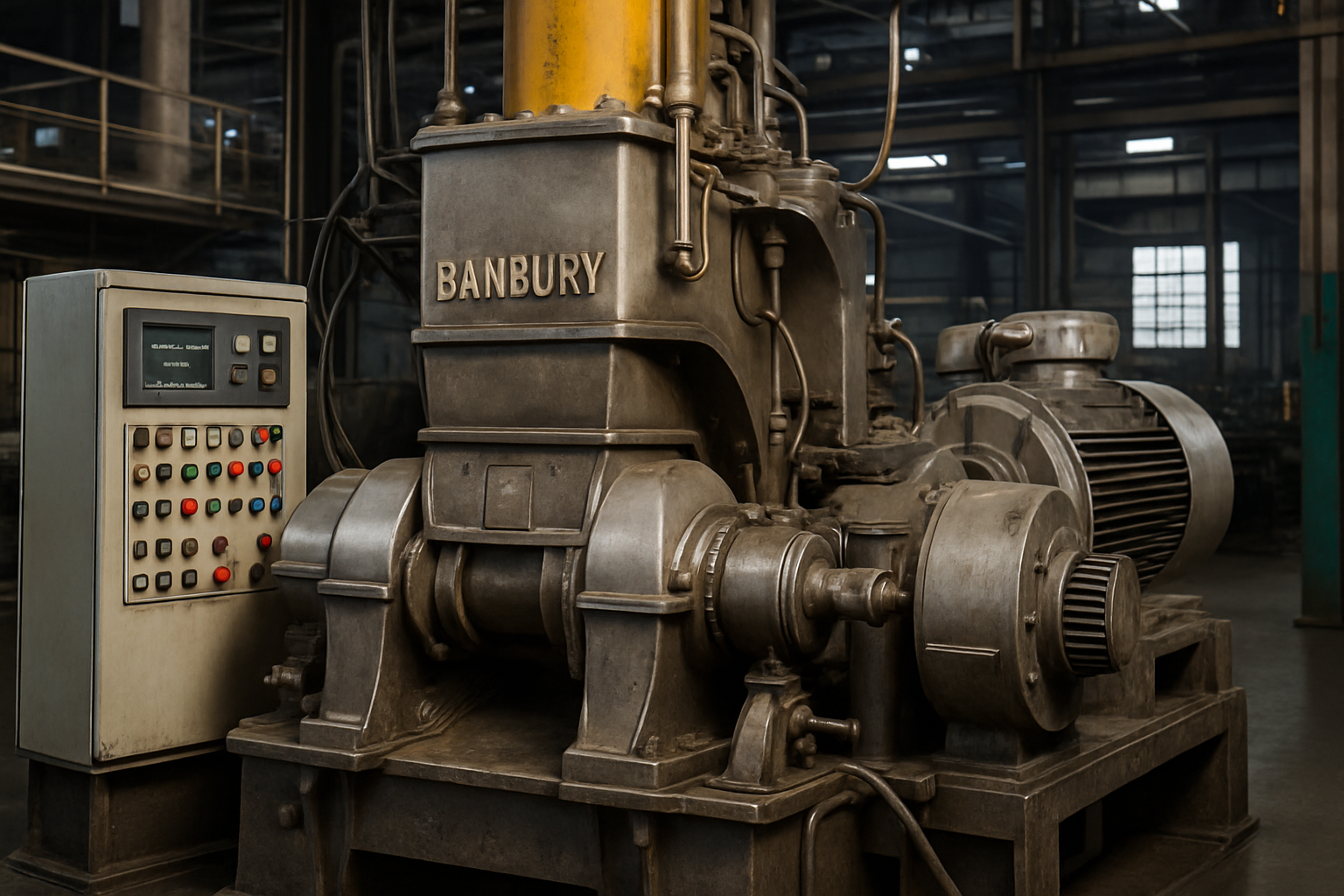
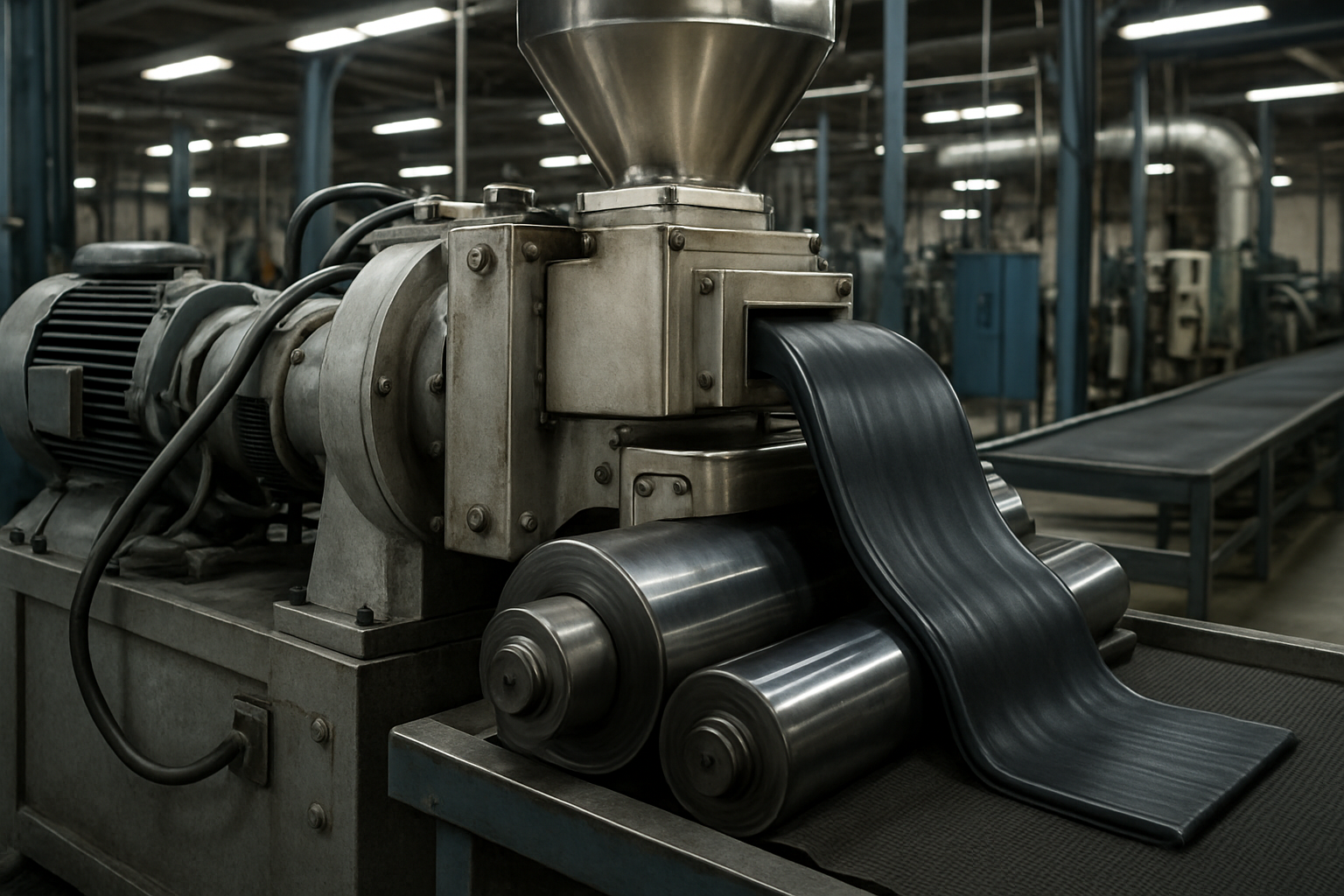
and batch chemical operations by monitoring all critical equipment such as:
pinpoints energy optimization opportunities across the process.
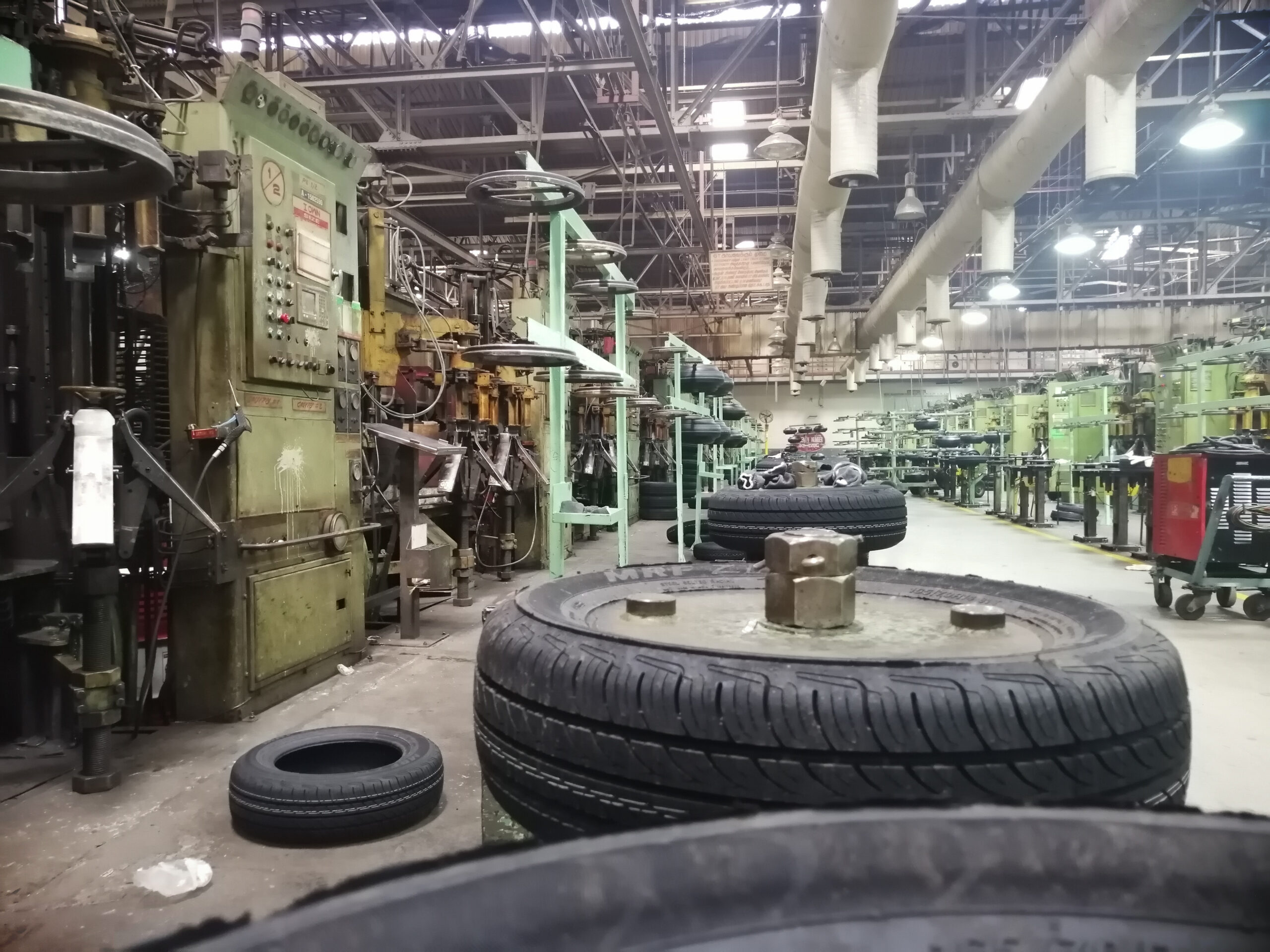
Tires
Rotating shafts and rollers
Prescriptive Maintenance & Digital Reliability for Tire & Rubber Operations
In tire and rubber manufacturing, production reliability is closely tied to process consistency, equipment performance, and product quality. Critical assets such as Banbury mixers, curing presses, and extruders operate under extreme heat, pressure, and load conditions, where even minor deviations can lead to defects, rejects, or complete line stoppages.
Many plants still face challenges with limited visibility into early-stage equipment degradation and process variability. This makes it difficult to respond before issues impact production quality or throughput.
PlantOS™ enables a shift from conventional monitoring to prescriptive maintenance, where continuous condition monitoring and process data are translated into clear, actionable insights. By analyzing vibration, temperature, load behavior, and process parameters, it identifies failure modes such as imbalance, wear, misalignment, and hydraulic inefficiencies, and recommends precise corrective actions.
This allows teams to move from reactive interventions to condition-based, need-driven maintenance, ensuring higher uptime and consistent product output.
Enter Your Details to Begin

FAQs
Get answers to common questions.
Prescriptive maintenance improves reliability by identifying early-stage equipment issues and recommending exact corrective actions. In tire manufacturing, this helps prevent failures in mixers, curing presses, and extruders—reducing downtime, minimizing defects, and ensuring continuous production.
Common causes include equipment misalignment, wear in rotating components, hydraulic inefficiencies, and process instability. Failures in critical assets like Banbury mixers and curing presses can lead to rejects, production losses, and costly delays.
AI-driven maintenance continuously monitors equipment and process parameters such as vibration, temperature, and load conditions. By detecting anomalies early and recommending corrective actions, it helps maintain process consistency and significantly reduce product defects and rejects.
Tire manufacturing involves high heat, pressure, and continuous production cycles. Real-time monitoring ensures early detection of equipment degradation, helping prevent unexpected failures, maintain product quality, and avoid costly line stoppages.
Most tire and rubber plants achieve ROI within 6–12 months through reduced downtime, lower rejection rates, improved energy efficiency, and optimized maintenance planning. Preventing even a single major failure can result in significant cost savings.
PlantOS™ analyzes equipment behavior and process interactions to identify root causes such as imbalance, wear, and inefficiencies. It provides clear, prioritized actions that help teams improve uptime, reduce energy consumption, and maintain consistent production quality.