
Production Reliability for
Pulp & Paper Industry
downtime costs and stabilize production. From refiners to press sections, real-time diagnostics and actionable
insights help prevent paper breaks, reduce steam losses, and maintain consistent output.
Strategic Challenges
Production Reliability for
Pulp & Paper Industry
mill hour downtime can cost up to $150,000
Prescriptive Maintenance & Energy Optimization with Proven ROI in 6–12 Months
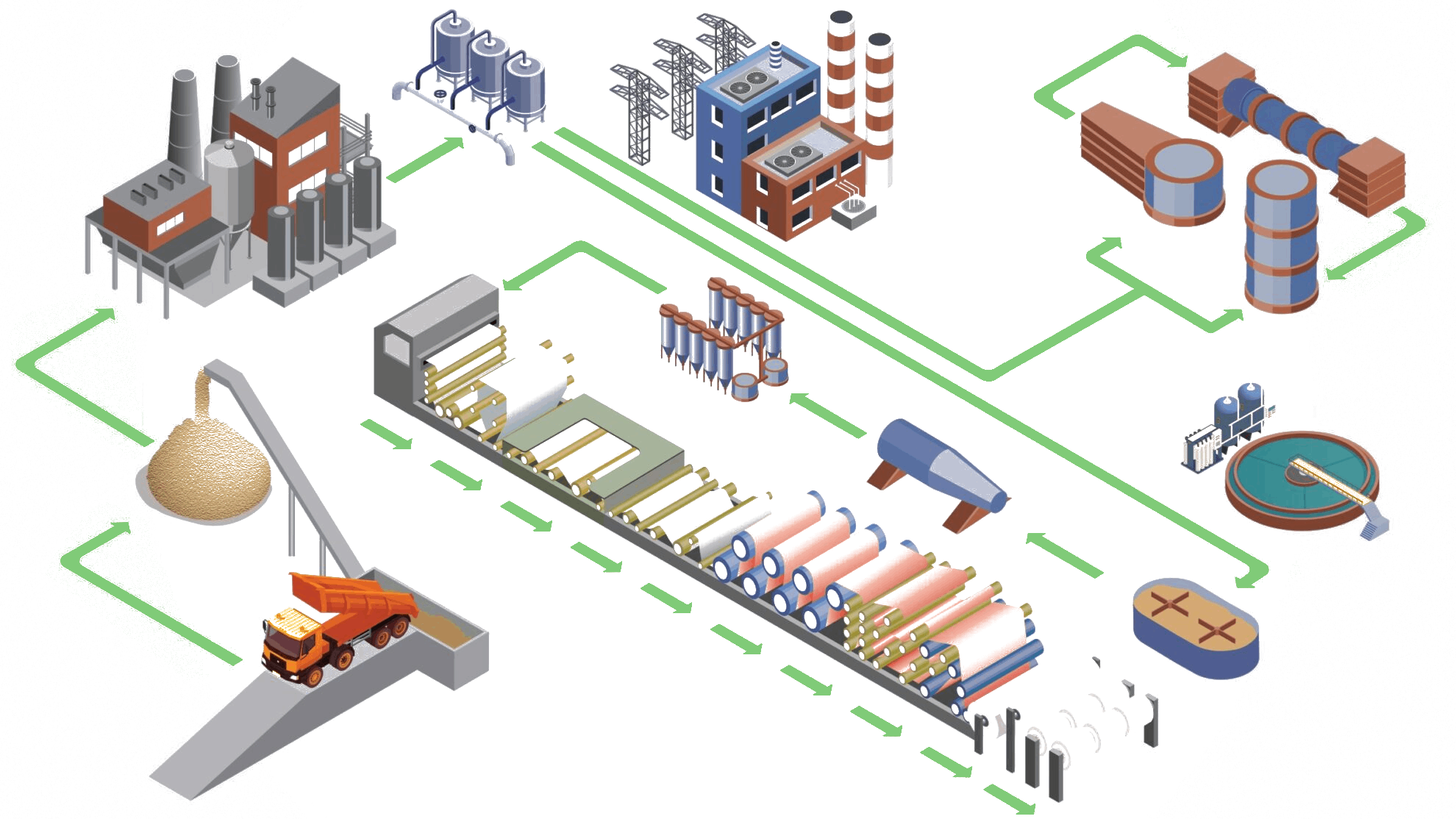
Pulping
Digester
Mixer
Reactor pump
Tower feed pump
Press Feed Pump
Pulp Press Roll
Disc Filter
Twin Roll press
Vacuum Drum Washer
Evaporator
Chemical Recovery
Weak Chlorine Blower
Chlorine Supply Pump
Air Compressor
Caustic Pump
Recovery Boiler Pump
ID Fan
Scrubber Unit
Slaker
Washer
Refiner
Bleacher
Forming
Breast Rolll
Table Roll
Dandy Roll
Couch Roll
Wire Roll
Drying Drying Cylinder Felt Roll Vaccum Roll Yankee Cylinder
Calendaring Top Roll Intermediate Roll Queen Roll Deflection Roll Compensating Roll
Reeling Reel Drum Roll Reel Spool Roll Rider Roll Winder Drum Roll
Water Treatment Plant Raw Water Pump Dosing Pump Return Sludge Pump Air Compressor
Powerplant Boiler Feed Pump PA Fan SA Fan ID Fan CEP Pump Vacuum Pump Cooling Water Pump Demineralization Pump Gas Turbine Cooling Tower Fan
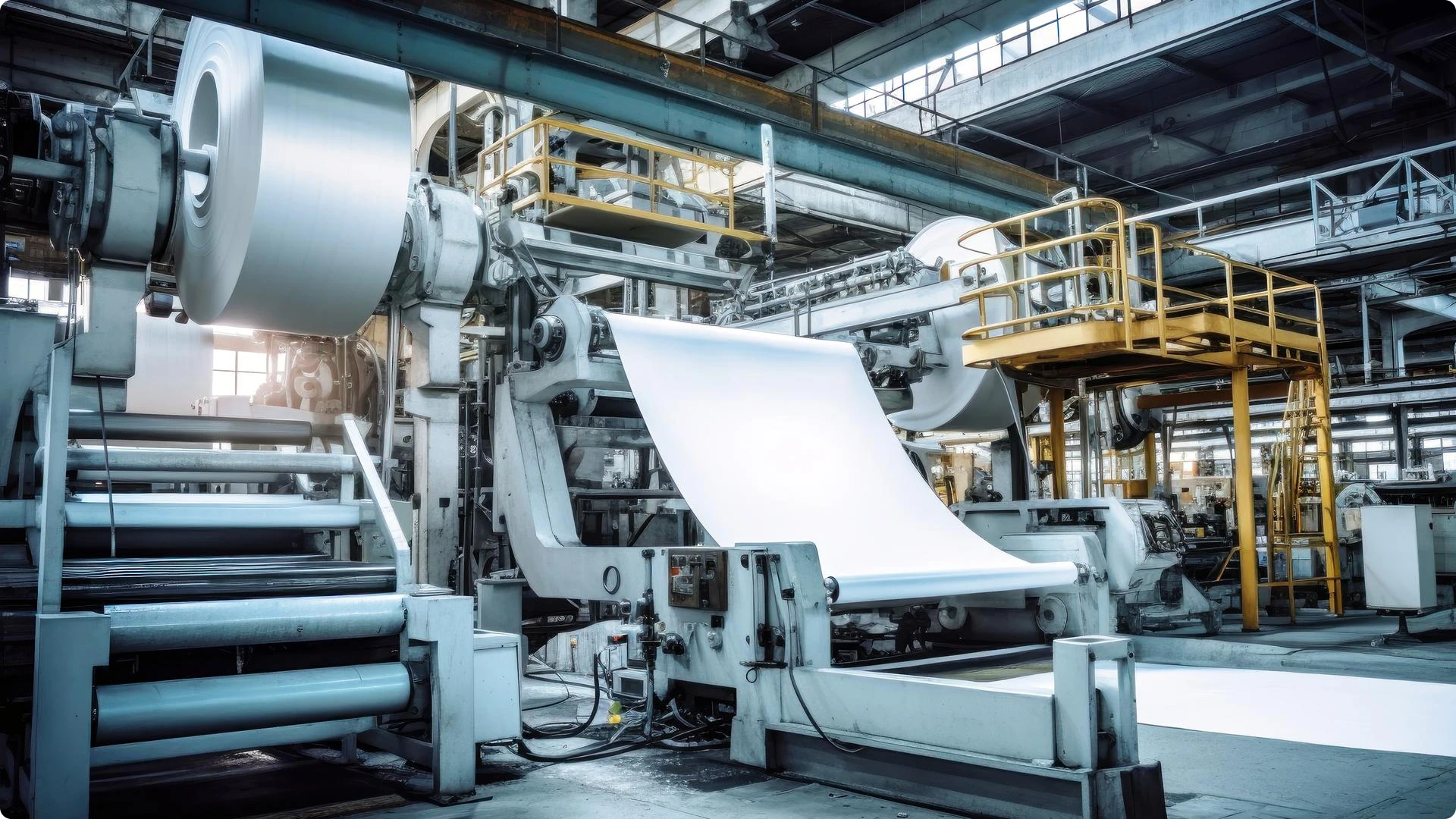
Unplanned stoppages cause costly paper breaks, wasted raw material, excessive
steam consumption, and lost output — while maintenance in such harsh
environments is both frequent and expensive.
Our Customer Speaks
Trusted by global manufacturers for delivering measurable
reliability,
energy efficiency, and operational excellence.

Infinite Uptime doesn’t just measure vibrations – they analyze, recommend corrections, and address chronic rotating machinery issues with prescriptions like improving alignment, balancing that has helped with uptime, equipment availability, and overall plant performance.

four months of outage by detecting component wear early and replacing it in just three days. This first instance showed our team the power of equipment communicating directly, sparking the creation of our success story.
Outcomes Delivered


Hours Eliminated
The PlantOS™ Difference
paper value chain, continuously monitoring all critical equipment such as:
pinpoints energy optimization opportunities across the process.
Prescriptive Maintenance & Digital Reliability for Pulp & Paper Operations
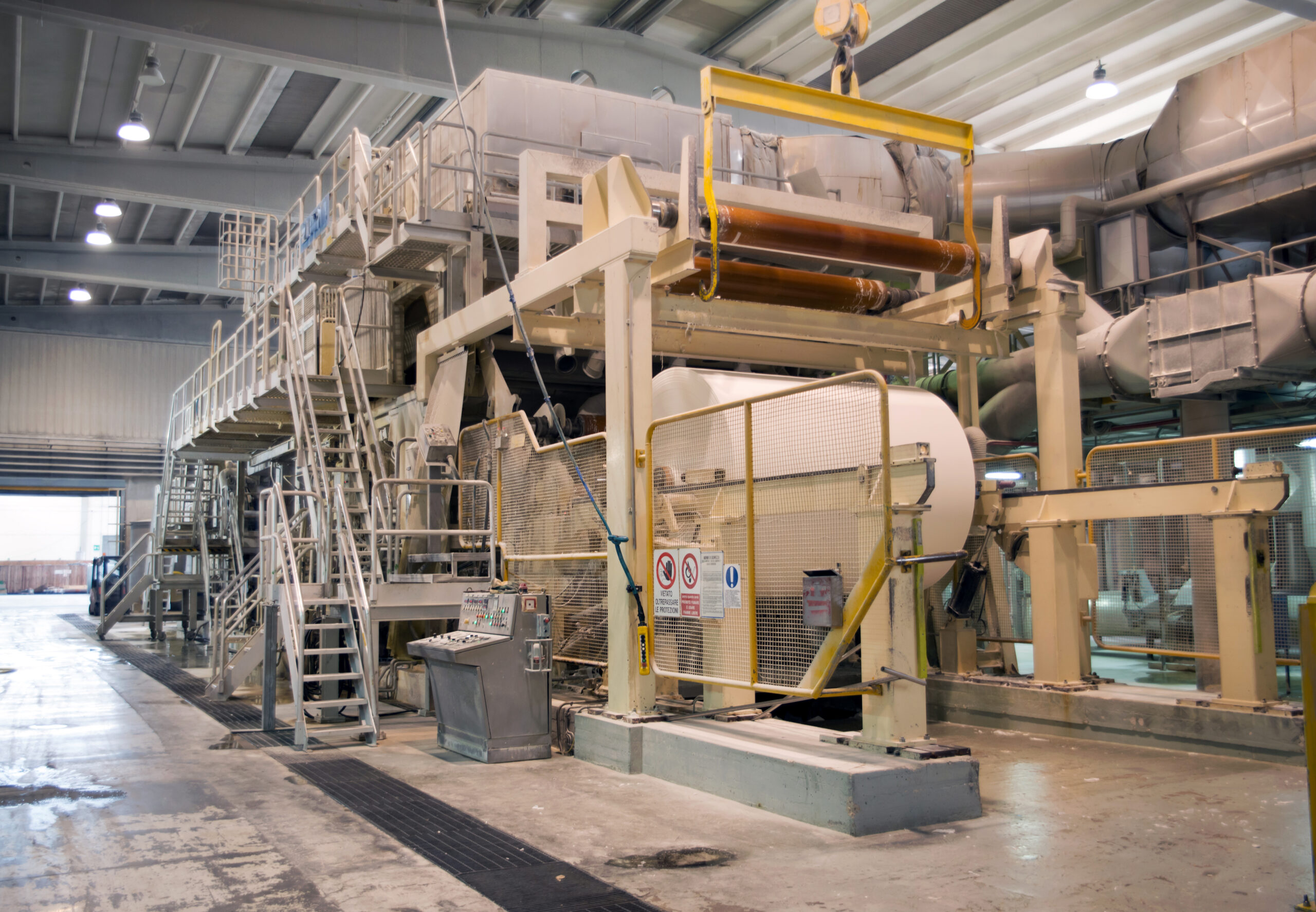
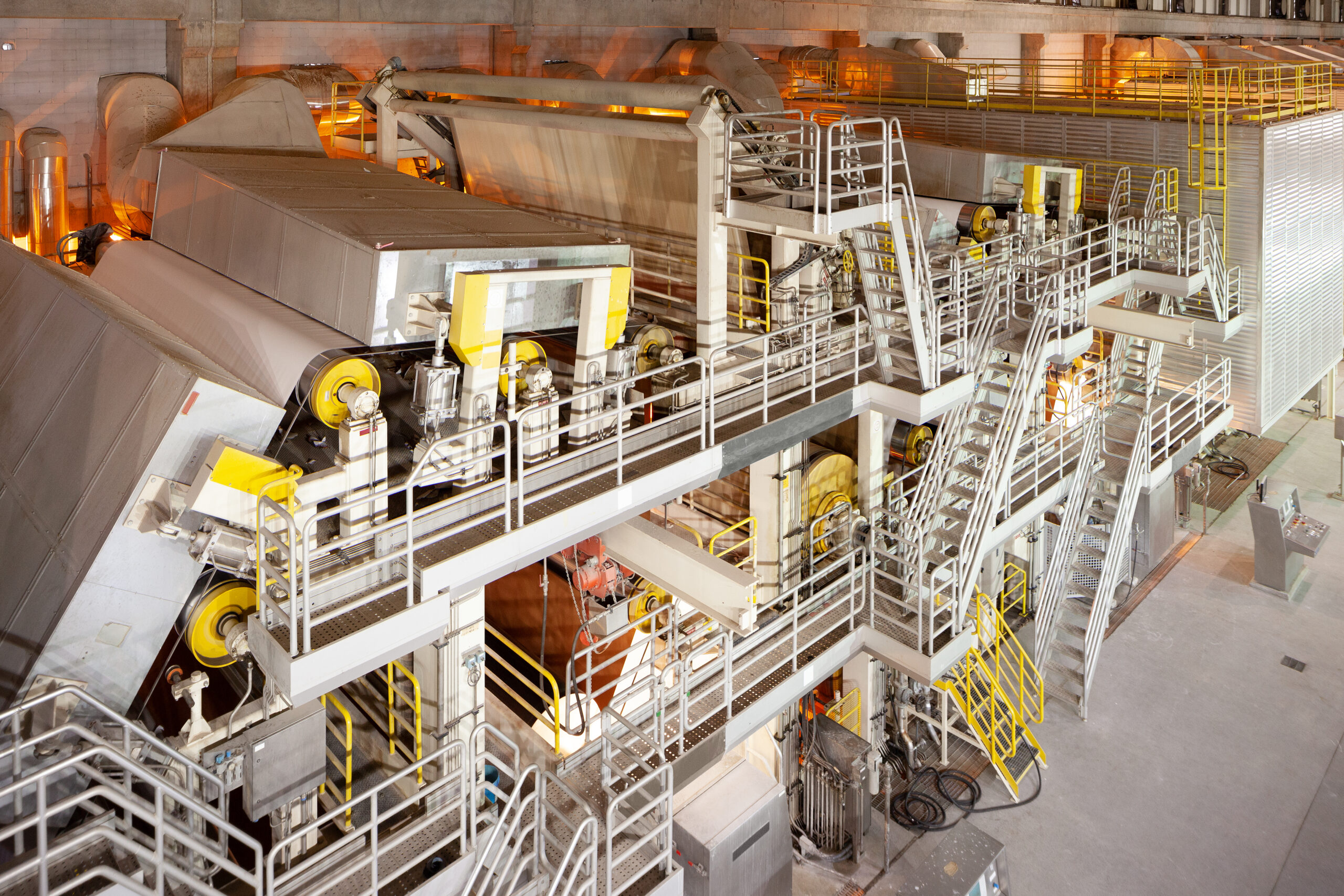
Pulp and paper manufacturing operates under continuous, energy-intensive conditions where even short-duration downtime can result in significant production losses, paper breaks, and increased steam consumption. Despite this, many plants still lack accurate visibility into downtime drivers and their true operational impact.
Digitalization combined with AI-driven analytics enables a more structured approach to reliability—identifying failure patterns across critical assets such as refiners, press sections, rollers, and rotating equipment, while also linking equipment health to process stability and energy usage.
PlantOS™ advances this further by moving beyond prediction to prescriptive reliability. It continuously analyzes equipment behavior, load variations, and process conditions to detect early-stage faults and recommend precise corrective actions—before they escalate into production disruptions.
This approach helps mills reduce unplanned stoppages, optimize steam and energy consumption, and maintain consistent paper quality, even under demanding operating conditions.
Strengthen production stability, minimize costly downtime, and improve energy efficiency with AI-driven prescriptive maintenance solutions purpose-built for the Pulp & Paper Industry.
Enter Your Details to Begin

FAQs
Get answers to common questions.
Prescriptive maintenance reduces downtime by identifying early-stage equipment issues and recommending exact corrective actions. Instead of reacting to failures, maintenance teams can address problems in refiners, press sections, and rollers before they cause paper breaks or production losses.
The most common causes include paper breaks, refiner wear, roller misalignment, bearing failures, and steam inefficiencies. These issues often go unnoticed until they disrupt production, leading to costly downtime and material waste.
AI-driven maintenance analyzes equipment performance and process conditions in real time to identify energy losses. By optimizing steam usage, load distribution, and equipment health, plants can reduce energy consumption per ton and improve overall operational efficiency.
Key equipment includes paper machine press sections, refiners, rollers, dryers, and other rotating machinery. Failures in these assets can immediately impact production continuity, product quality, and energy usage.
Most pulp and paper plants see ROI within 6–12 months through reduced downtime, lower maintenance costs, and improved energy efficiency. Even a few hours of avoided downtime can translate into significant cost savings.
PlantOS™ continuously monitors vibration, load, and process parameters to detect early anomalies. It provides clear, actionable recommendations that help teams prevent paper breaks, stabilize production, and maintain consistent product quality.