
Production Reliability for
Food & Beverages Industry
compliance, prevent product loss, and maintain consistent production. From filling lines to utilities, real-time insights
and targeted actions help avoid contamination risks, reduce downtime, and protect product quality.
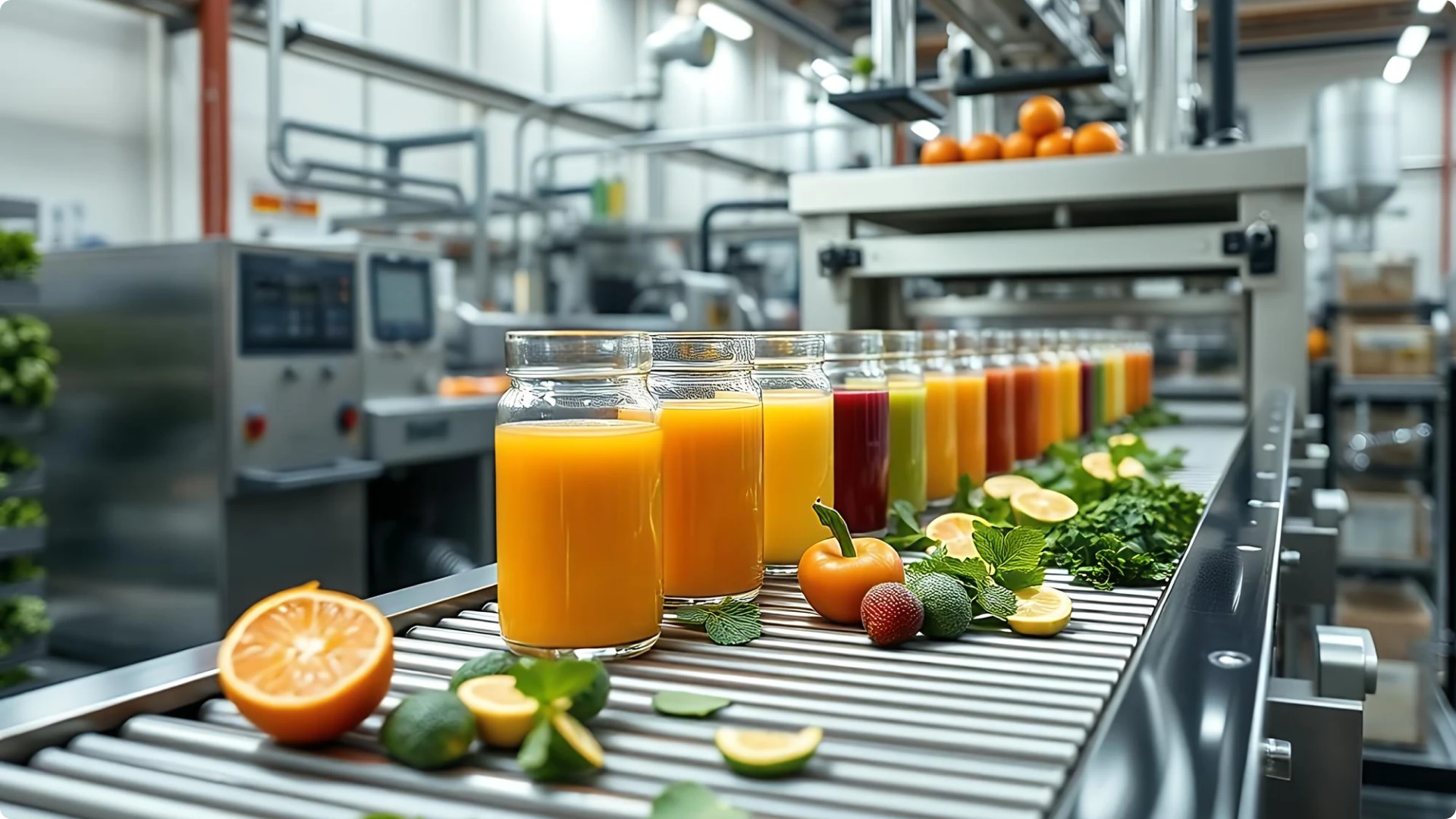
Strategic Challenges
Production Reliability for
Food & Beverages Industry
Food safety and shelf life define competitiveness –
every stoppage risks compliance and waste
Prescriptive Maintenance & Energy Optimization with Proven ROI in 6–12 Months
Our Customer Speaks
Trusted by global manufacturers for delivering measurable
reliability,
energy efficiency, and operational excellence.

Infinite Uptime doesn’t just measure vibrations – they analyze, recommend corrections, and address chronic rotating machinery issues with prescriptions like improving alignment, balancing that has helped with uptime, equipment availability, and overall plant performance.

four months of outage by detecting component wear early and replacing it in just three days. This first instance showed our team the power of equipment communicating directly, sparking the creation of our success story.
Outcomes Delivered


Hours Eliminated
The PlantOS™ Difference
by monitoring key critical equipment such as:
pinpoints energy optimization opportunities across the process.
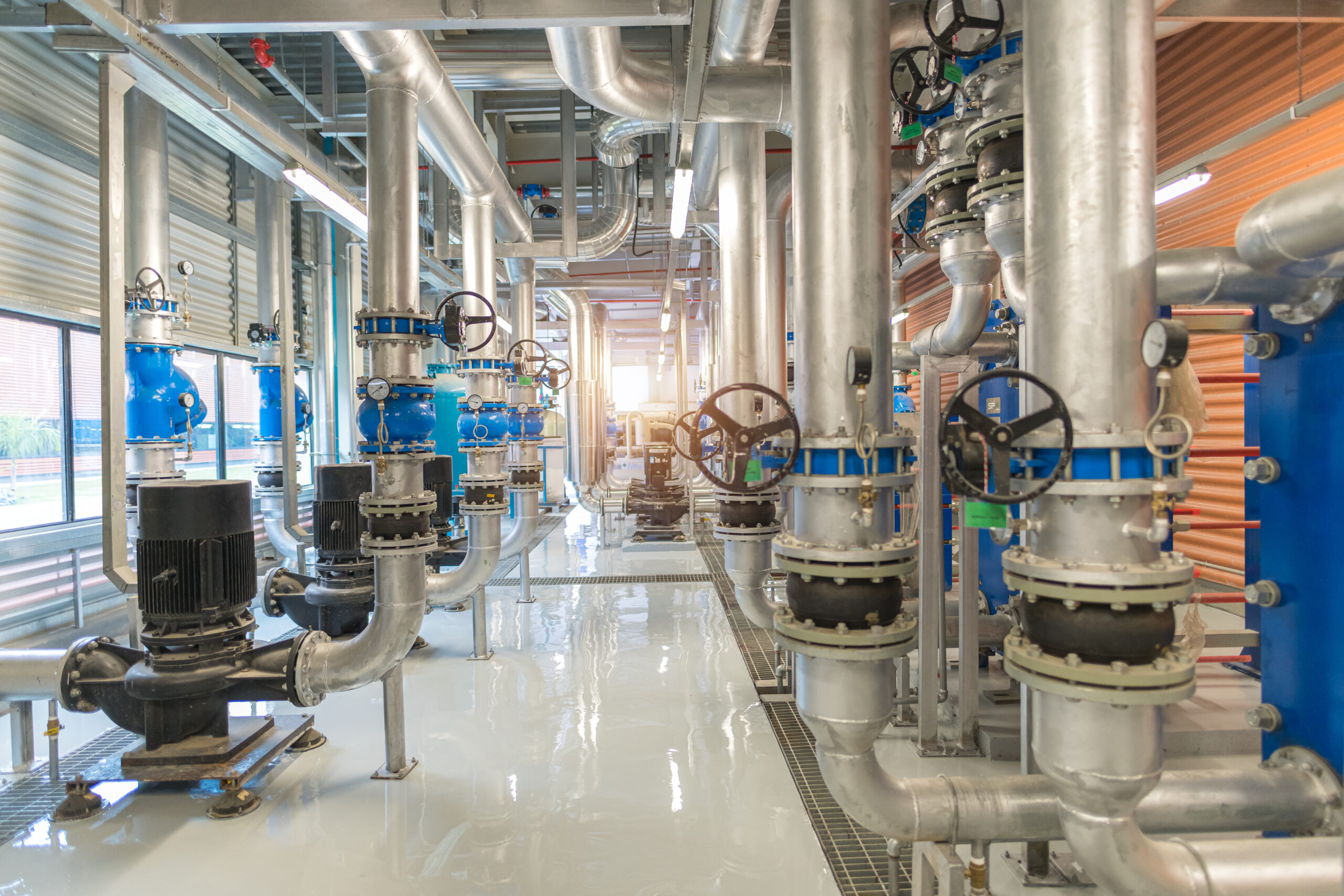
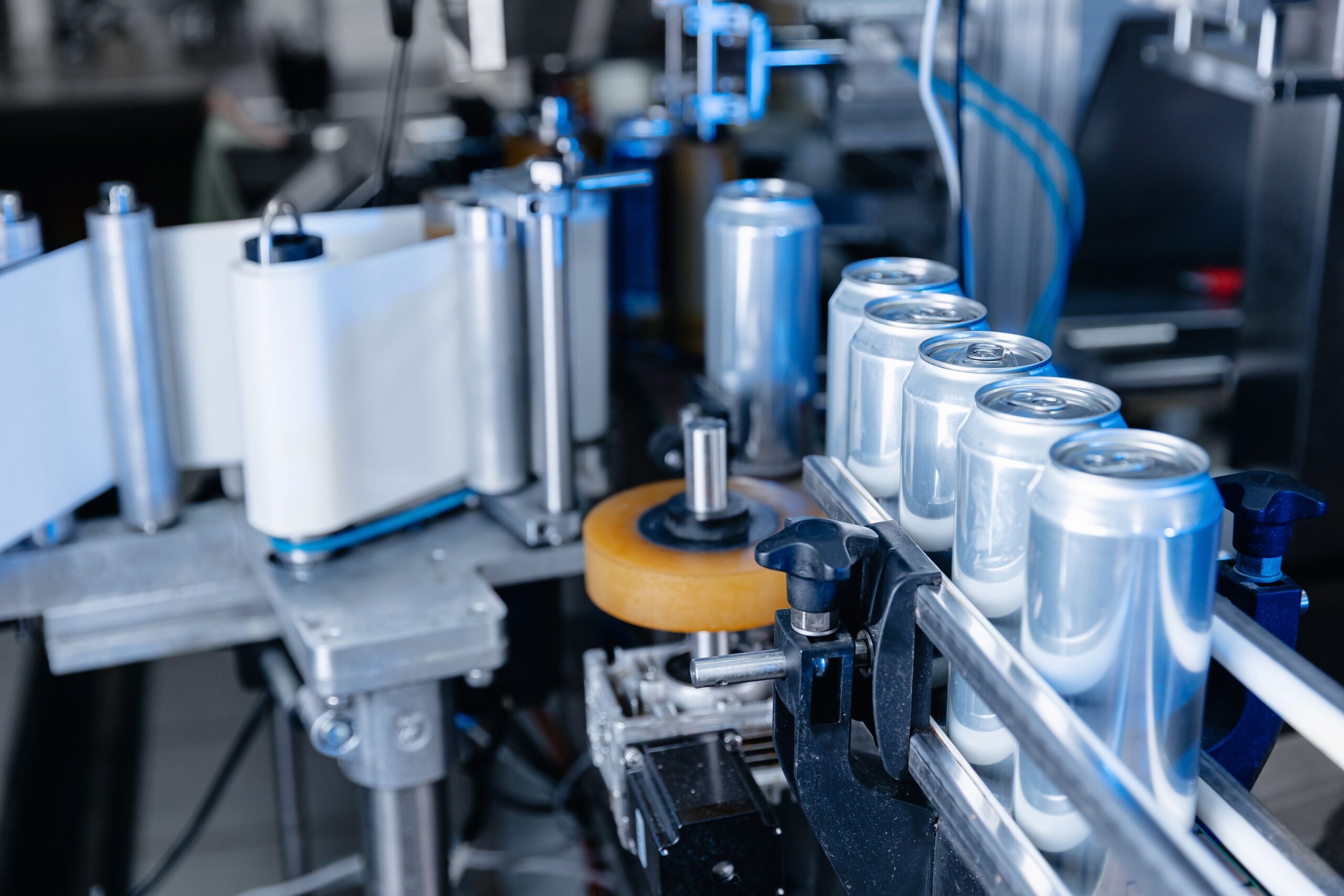
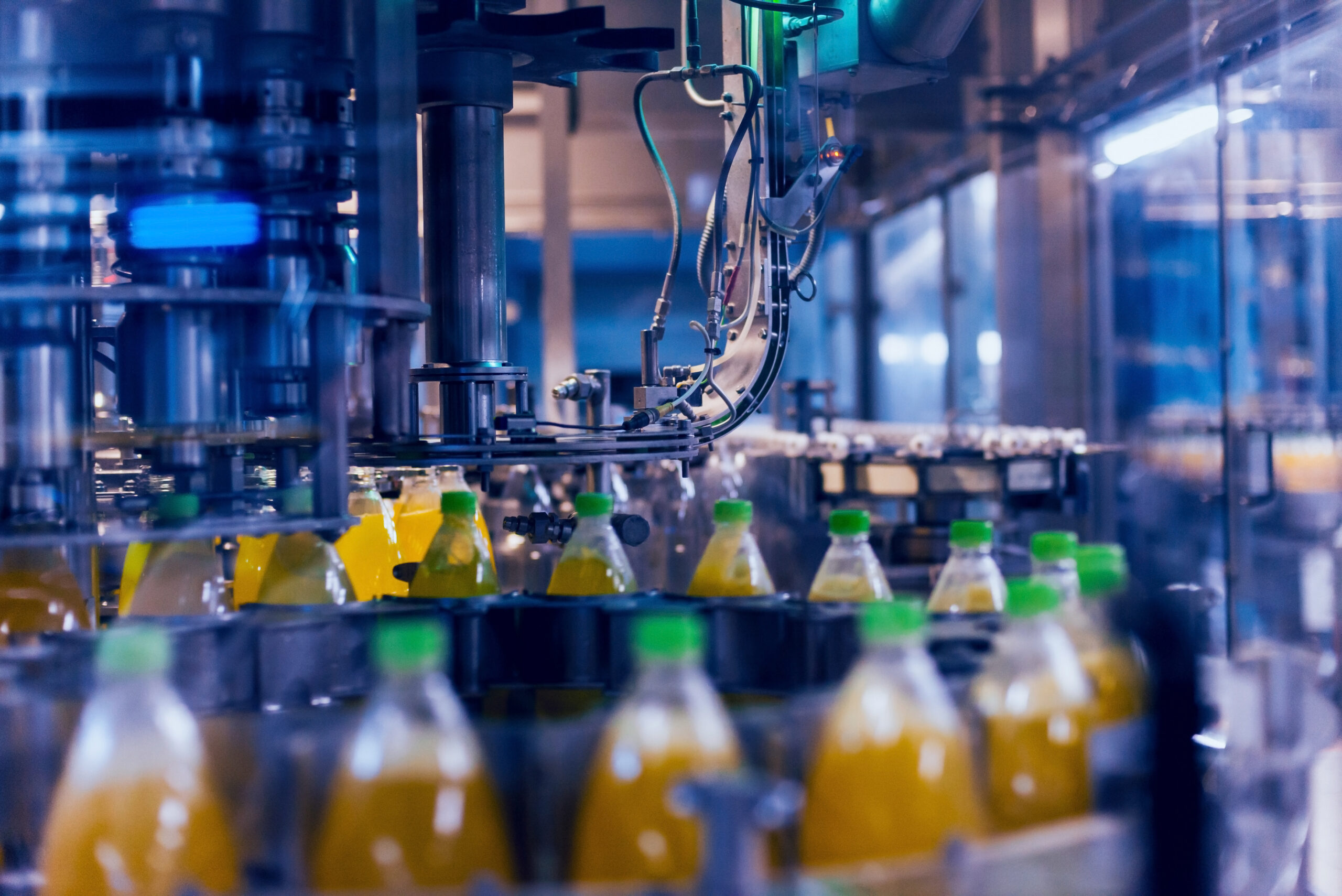
Prescriptive Maintenance & Digital Reliability for Food & Beverages Operations
In food and beverage manufacturing, production reliability is directly linked to food safety, compliance, and product consistency. Failures in critical systems such as bottling lines, filling machines, and utilities can lead to product loss, contamination risks, and regulatory issues—making uptime and control essential.
PlantOS™ enables a shift to prescriptive maintenance by combining real-time monitoring with AI-driven diagnostics. It continuously analyzes equipment and process data to detect early-stage issues such as wear, misalignment, and thermal inefficiencies, and provides clear, actionable recommendations before they impact production.
This approach helps plants reduce unplanned downtime, maintain quality standards, and optimize energy usage across operations. By moving to condition-based maintenance, teams can ensure stable production, improve OEE, and meet HACCP/FDA compliance requirements with confidence.
Enter Your Details to Begin

FAQs
Get answers to common questions.
Prescriptive maintenance improves reliability by detecting early equipment issues and recommending exact corrective actions. This helps prevent failures in filling lines, bottling systems, and utilities—ensuring continuous production, reduced downtime, and consistent product quality.
Common causes include equipment wear, misalignment, temperature control issues, and failures in filling machines, bottling lines, or utilities like boilers and chillers. These issues can lead to production losses, contamination risks, and compliance challenges.
AI-driven maintenance continuously monitors equipment and process conditions to detect deviations early. By preventing equipment failures and process inconsistencies, plants can maintain hygiene standards, avoid contamination risks, and ensure compliance with HACCP and FDA regulations.
Real-time monitoring tracks equipment performance and process parameters such as temperature, pressure, and flow. This enables early detection of abnormalities, allowing teams to take corrective action before issues impact product quality or lead to contamination.
Most plants achieve ROI within 6–12 months through reduced downtime, lower product loss, improved energy efficiency, and optimized maintenance planning. Preventing even a single contamination event or production halt can result in significant cost savings.
PlantOS™ analyzes equipment behavior and process interactions to identify inefficiencies and early failure patterns. It provides clear, actionable recommendations that help teams reduce downtime, optimize energy usage in utilities like boilers and chillers, and maintain consistent production output.