
Categories
AI Predictive Maintenance
Beyond the Trendline: How PlantOSTM Prescriptive AI Solves the VRM “Discovery Gap”

In the heavy industrial sectors of EMEA, specifically within cement manufacturing, a dangerous “Discovery Gap” has emerged. While most plant heads rely on standard SCADA dashboards to report equipment health, these systems are often blind to the subtle frequency signatures that precede catastrophic failure.

Beyond the Trendline: How PlantOS™ Prescriptive AI Solves the VRM "Discovery Gap"

Read Time: 5–6 minutes | Author – Kalyan Meduri
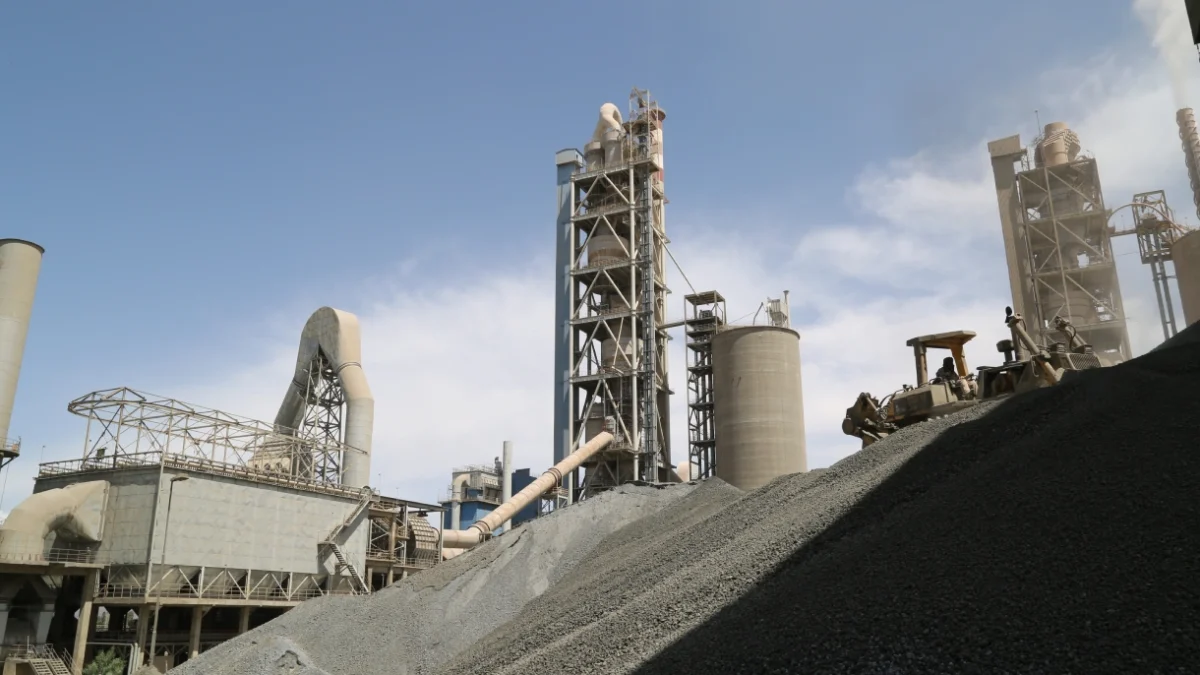
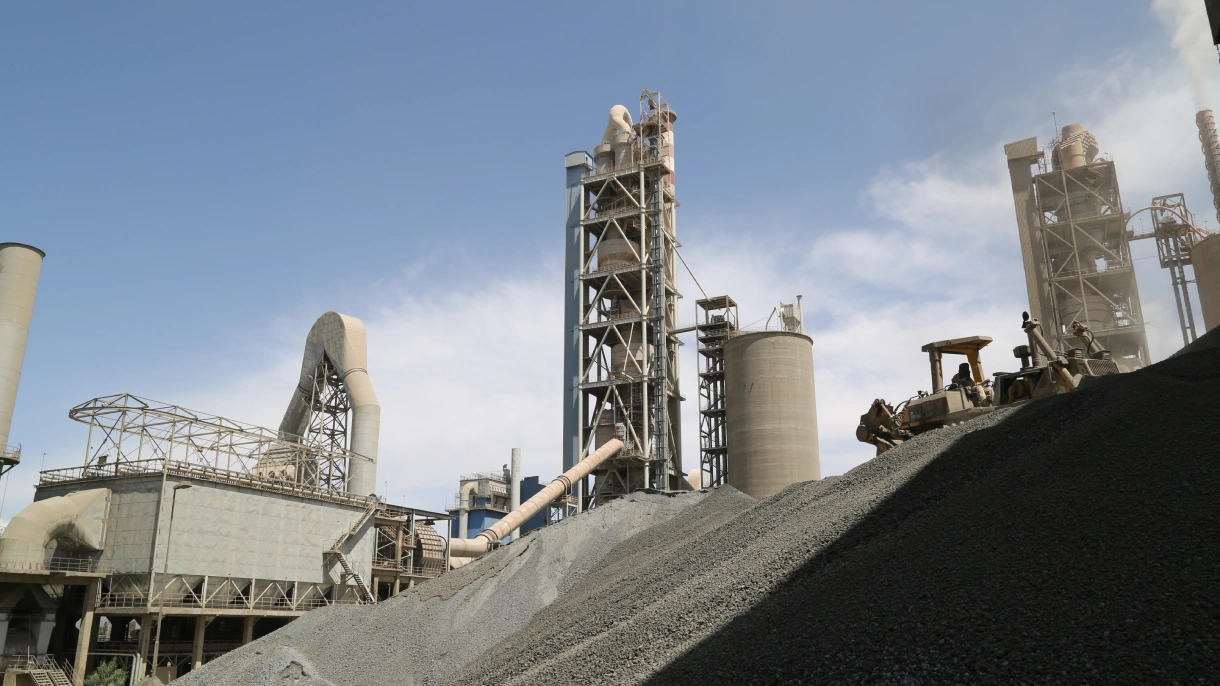
Industrial cement plant with VRM system where PlantOS™ Prescriptive AI detects hidden vibration and drive-train failures
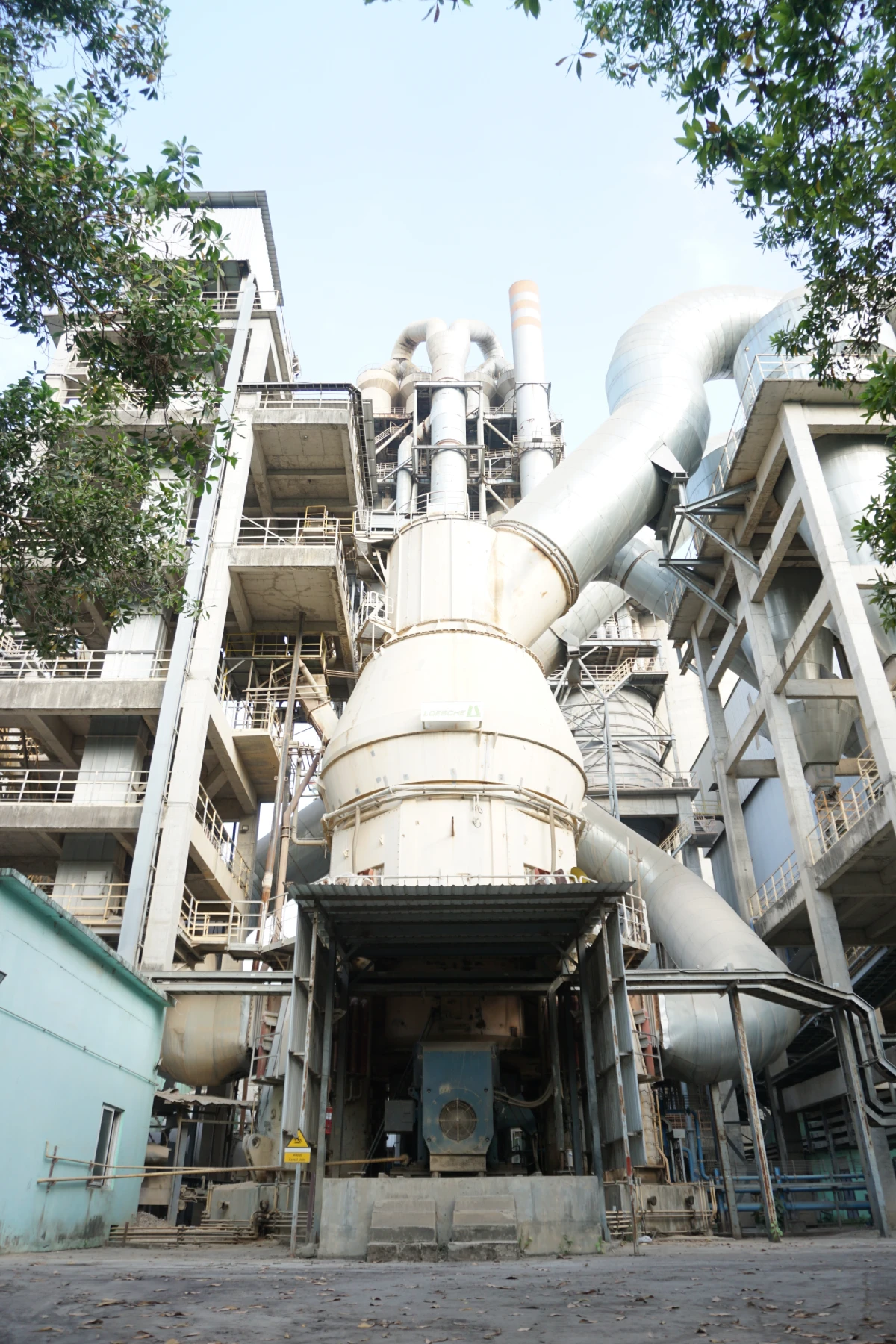
Vertical Roller Mill (VRM) drive system in cement plant used for raw material grinding and monitored with prescriptive AI
Vertical Roller Mill
In the heavy industrial sectors of EMEA, specifically within cement manufacturing, a dangerous “Discovery Gap” has emerged. While most plant heads rely on standard SCADA dashboards to report equipment health, these systems are often blind to the subtle frequency signatures that precede catastrophic failure.
Traditional monitoring looks for thresholds (Is it too hot? Is it vibrating too much?).
PlantOS™ looks for signatures.
Through our work across major cement hubs in the UAE, KSA, and Europe, our Prescriptive AI has analyzed over 100 VRM (Vertical Raw Mill) drive-trains. Our findings are startling: Over 60% of critical VRM failures occur while overall vibration levels appear within “safe” operating zones.

1. The 4.2 mm/s "Safety" Illusion (UAE Case Study)

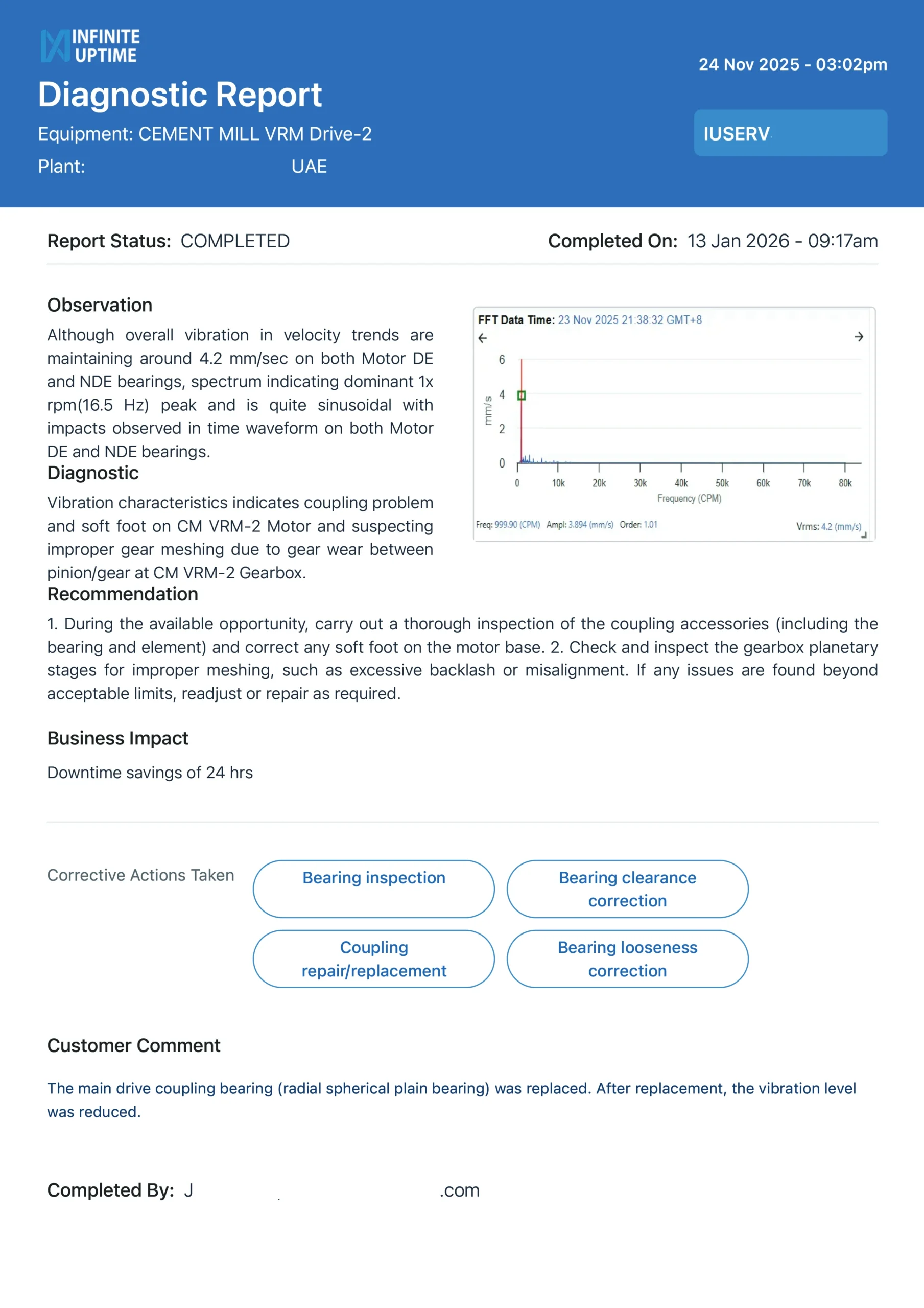
At a major cement facility in the UAE, the Mill-2 Motor was trending at a steady 4.2 mm/sec. By industry standards, this is a healthy “green” status. However, PlantOS™ flagged a high-priority prescriptive alert.
The Prescriptive Signature:
PlantOS™ detected a dominant 1x RPM peak at 16.5 Hz accompanied by sinusoidal impacts in the time waveform. The AI diagnosed this not just as vibration, but as a specific coupling problem and “soft foot” on the motor base.

User Validation: “Following the PlantOS™ alert, our maintenance team inspected the drive-train during a planned stop. We confirmed significant gear wear between the pinion and gearbox that would have caused a catastrophic trip.”

The Business Impact: By acting on the AI’s prescription, the plant saved an estimated 24 hours of unplanned downtime.
PlantOS™ Diagnostic Report showing VRM Drive-2 vibration analysis and prescriptive maintenance alert in UAE cement plant
DRS Report for Cement Mill VRM Drive

2. The 7-Day Acceleration Spike (KSA Case Study)

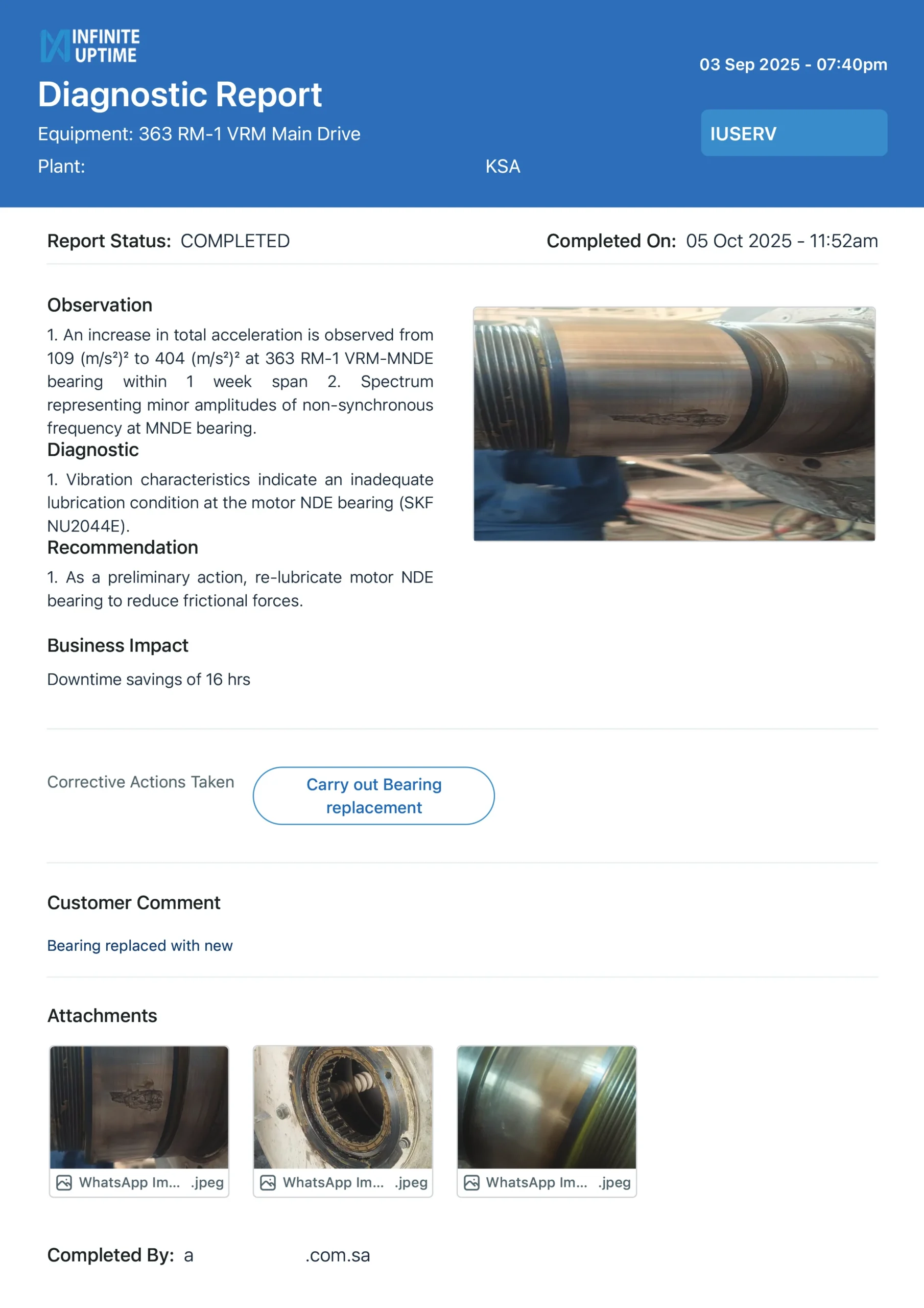
PlantOS™ Diagnostic Report for 363 RM-1 VRM Main Drive in KSA showing bearing lubrication issue and 16-hour downtime savings
DRS Report for VRM Main Drive

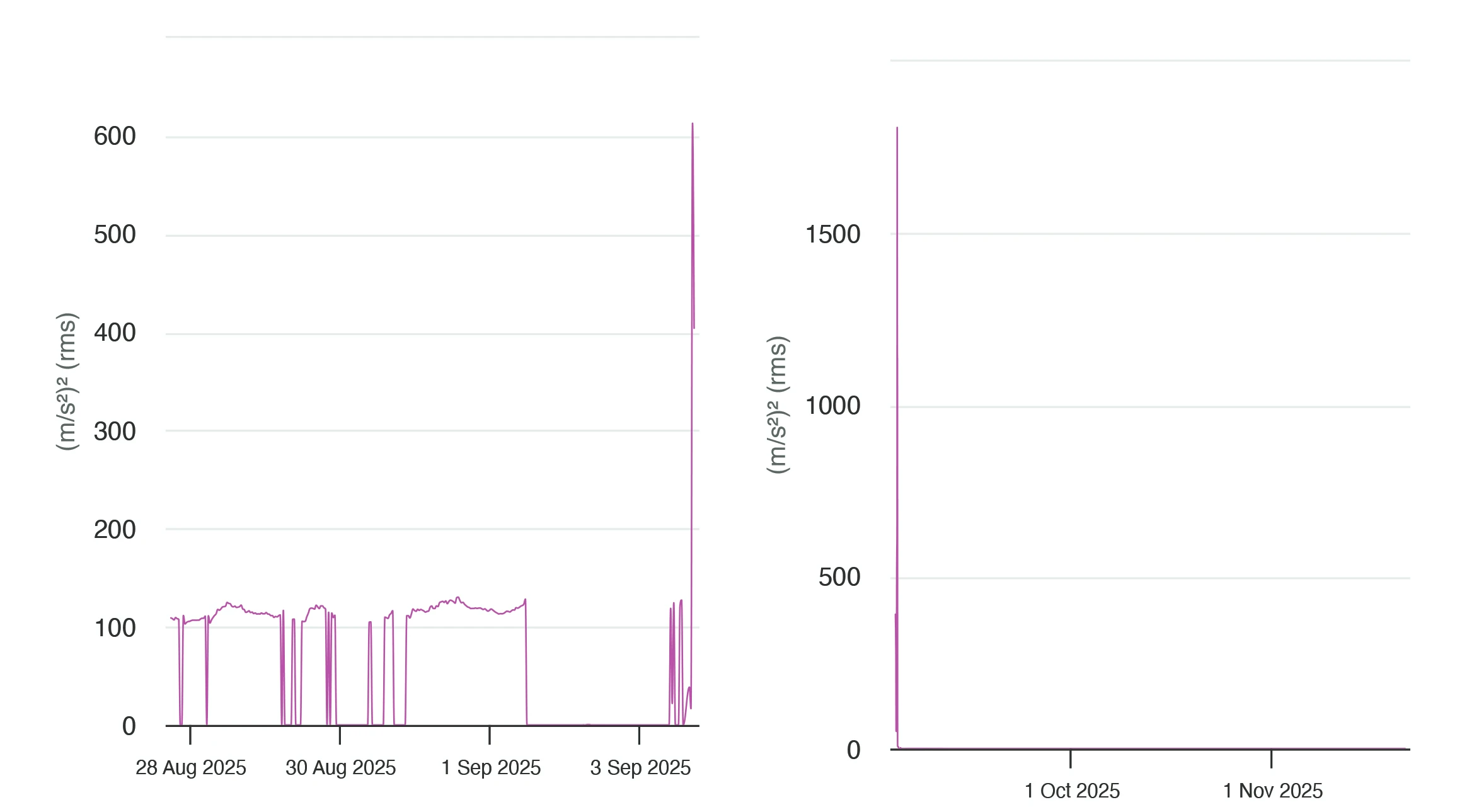
In the Southern Province of KSA, a Raw Mill Main Drive appeared stable until PlantOS™ detected a massive surge in total acceleration—jumping from 109 (m/s2)2 to 404 (m/s2)2 in a single week.

The Prescriptive Signature:

While velocity trends remained manageable, PlantOS™ identified minor amplitudes of non-synchronous frequencies. The AI prescribed immediate re-lubrication of the Motor NDE bearing (SKF NU2044E).
User Validation: The site team followed the prescription and re-lubricated the bearing immediately. The friction levels normalized within the hour, preventing a motor seizure.
The Business Impact: This single intervention preserved 16 hours of production time, preventing a full bearing replacement and unplanned shutdown.
Before and after acceleration trend graph showing VRM main drive spike from 109 to 404 (m/s²)² detected by Prescriptive AI in KSA cement plant

3. The Post-Maintenance Paradox (EMEA Case Study)

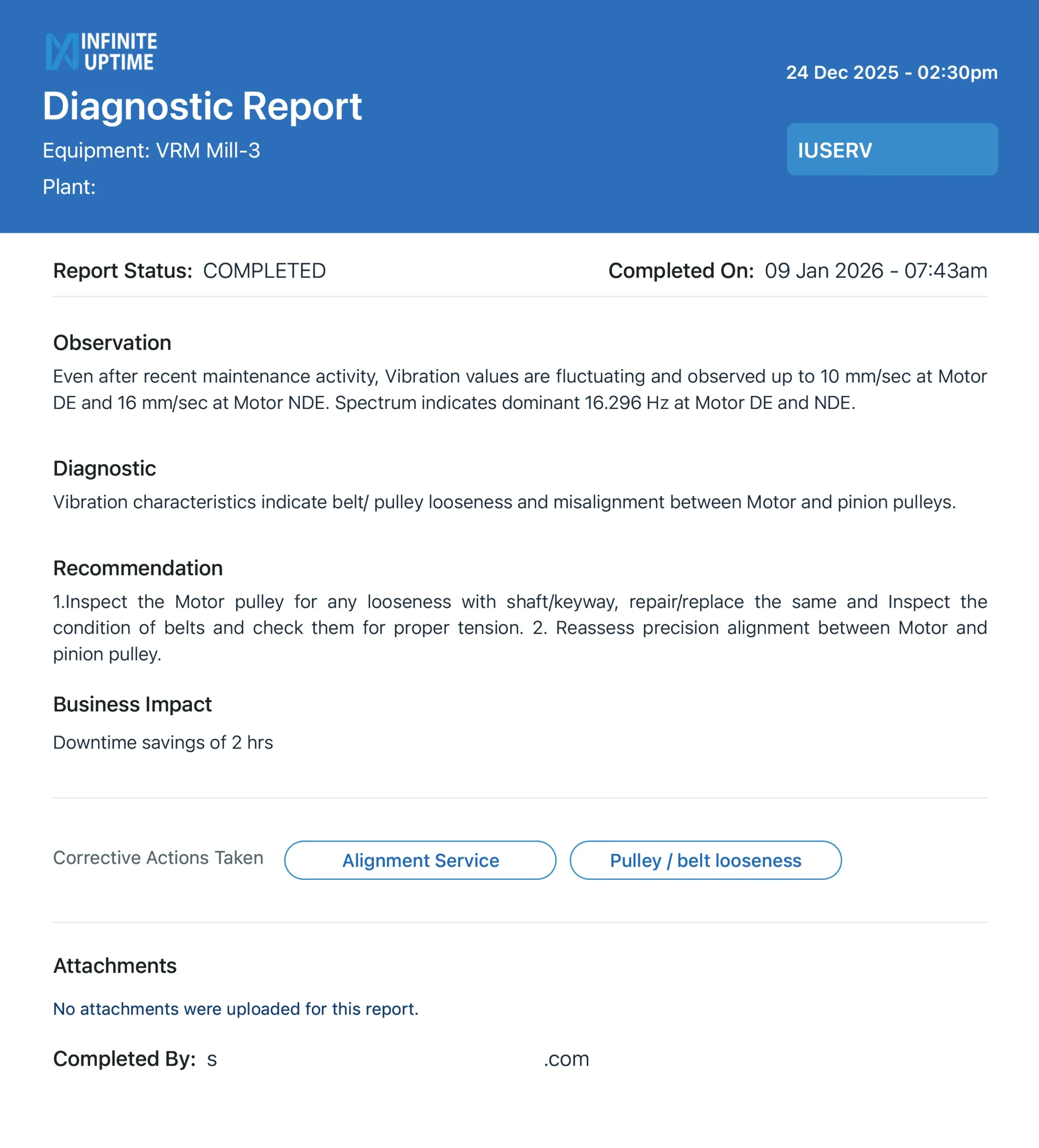
One of the most frustrating challenges for Plant Managers is high vibration immediately after a scheduled maintenance shutdown. This occurred at an EMEA Raw Mill where vibrations fluctuated up to 16 mm/sec at the Motor NDE despite recent service.

The Prescriptive Signature:

PlantOS™ identified a dominant 16.296 Hz peak at both Motor DE and NDE. It prescribed a precision reassessment of the alignment between the Motor and pinion pulleys.

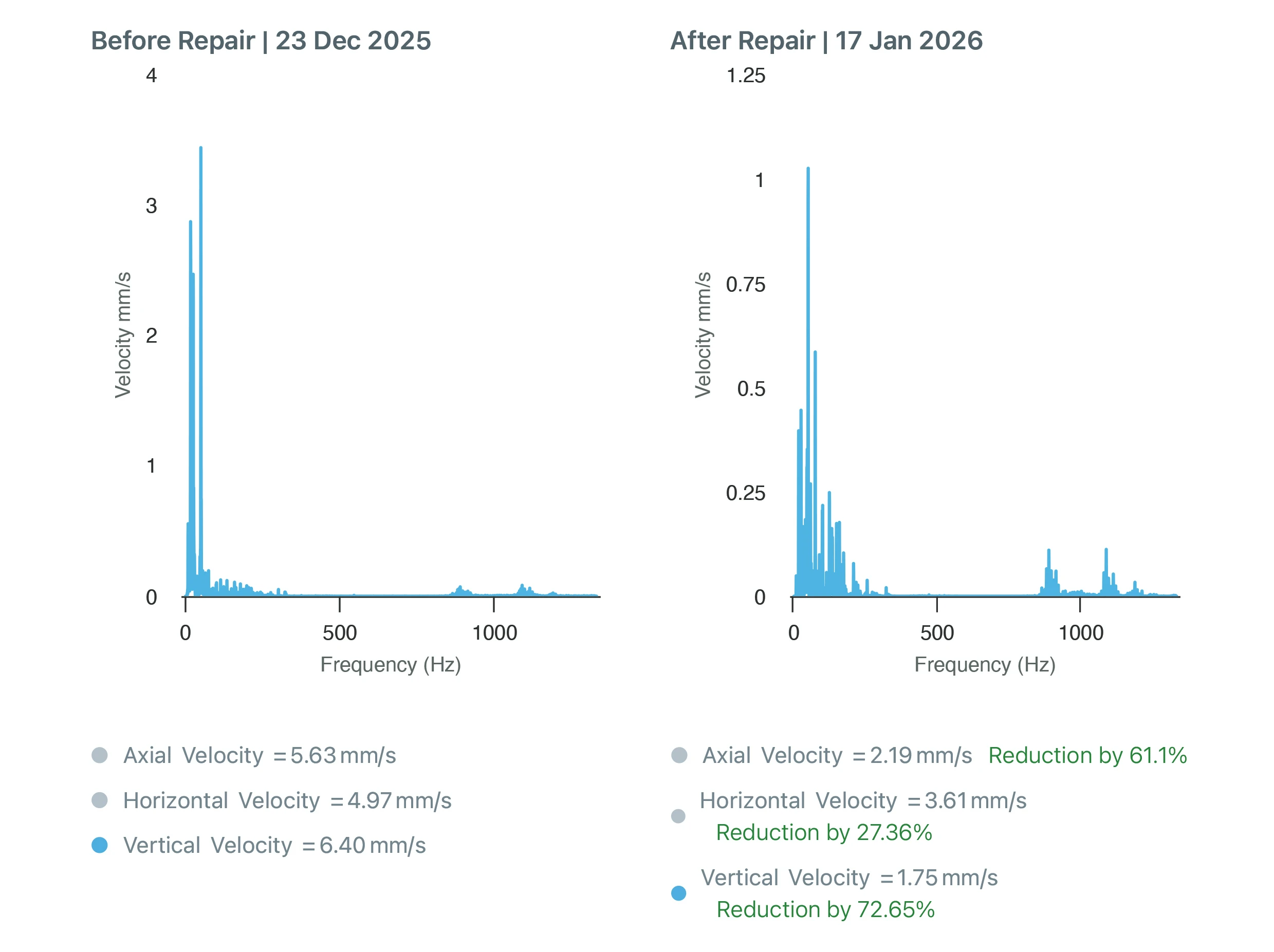
The Result: After the site team implemented the AI’s precision alignment recommendations, they achieved a 72.65% reduction in vertical velocity, dropping from 6.40 mm/sec to a near-perfect 1.75 mm/sec .

Infinite Uptime diagnostic report for VRM Mill-3 highlighting vibration fluctuation, belt and pulley misalignment issue, corrective alignment service, and downtime savings of two hours.
DRS Report for VRM Mill
Before and after repair vibration spectrum analysis of VRM Mill-3 motor showing significant reduction in axial, horizontal and vertical velocity levels after alignment and pulley maintenance by Infinite Uptime.
Frequently Asked Questions
While 4.2 mm/sec  is often within ISO 10816-3 limits for large machines, “overall” values mask high-frequency impacts. PlantOS™ looks at the FFT spectrum to identify specific faults like gear meshing or coupling wear that overall velocity averages out.

Predictive maintenance tells you when a machine might fail. PlantOS™ Prescriptive AI tells you what is failing and how to fix it (e.g., “re-lubricate Motor NDE bearing”). This allows maintenance teams to act instantly with user-validated accuracy.

Yes. PlantOS™ is designed as a data-agnostic layer that bridges the gap between raw sensor data and operational decision-making, providing a unified view of asset health across cement, steel, and mining verticals.

The PlantOS™ Prescriptive Audit

To help your team identify these “Stealth Killers,” we have compiled the three most critical signatures PlantOS™ monitors in Vertical Roller Mills:
Failure Signature Diagnostic Indicator Recommended Action
16.296 Hz Dominant Peak Pulley/Belt Misalignment Reassess precision alignment & check belt tension.
1x RPM (16.5 Hz) + Sinusoidal Wave Coupling/Soft Foot Inspect coupling elements; correct motor base foot.
High Non-Synchronous Amplitudes Lubrication Starvation Immediate re-lubrication of NDE bearings.

The Bottom Line

With the 99% Trust Loop—where PlantOS™ prescriptions are user-validated and adopted by maintenance teams almost every time (up to 99%)—reliability decisions are no longer a matter of guesswork. In the cement industry, true reliability isn’t about having more data; it’s about having prescriptive intelligence you can trust. PlantOS™ doesn’t just tell you that your mill is vibrating—it tells your team exactly where to look and how to fix it before the profit stops..

Related Blog